

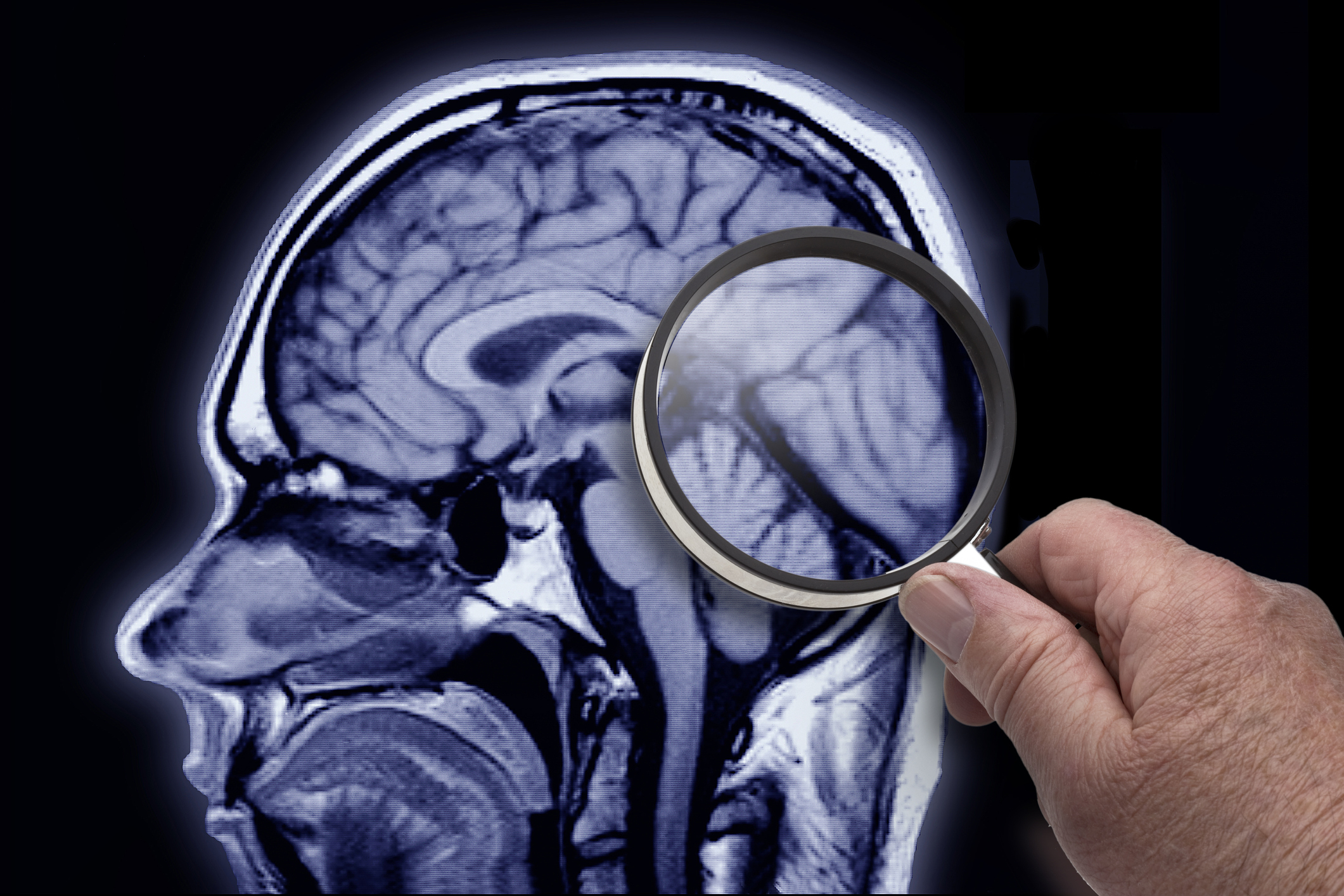
Research looking at biomarkers of Alzheimer’s disease in people with and without obesity showed that markers of disease such as amyloid build up accumulated significantly faster in those with obesity over time.
The research was carried out at Mallinckrodt Institute of Radiology at Washington University School of Medicine in St. Louis and presented at the annual meeting of the Radiological Society of North America this week.
This study included 407 people taking part in the Alzheimer’s Disease Neuroimaging Initiative with Alzheimer’s disease who had both amyloid positron emission tomography (PET) scans and plasma biomarker measurements available over five years. Some of the group were obese (BMI at or above 30 kg/m2) and some not.
The researchers, led by Soheil Mohammadi, MD, MPH, postdoctoral research associate at the Mallinckrodt Institute, analyzed levels of plasma p‑tau217 (phosphorylated tau 217), including a p‑tau217 ratio, plasma neurofilament light chain (NfL), and plasma glial fibrillary acidic protein (GFAP) in the blood of participants and also measured amyloid buildup using PET scans. Several different commercial assays were used to measure the blood biomarkers to allow for differences between tests.
At enrollment, people with obesity initially had lower levels of Alzheimer’s disease biomarkers and did not show particularly high amyloid buildup compared with non-obese participants.
However, over the follow up period, people with obesity had a 3.7% faster rate of amyloid accumulation over time than non‑obese participants. The p‑tau217 ratio also went up 29-95% faster in obese individuals with the condition than non-obese participants, essentially showing a faster disease progression in these individuals as this ratio is a proxy for tau buildup.
NfL, a protein fragment released from damaged or dying neurons, and GFAP, a protein expressed in neuron-protecting astrocyte cells, levels were not significantly associated with obesity, although there was some signs of NfL increasing at a higher rate in obese participants on some of the tests.
“We believe the [initial] reduced level of blood biomarkers in obese individuals was due to dilution from the higher blood volume,” said Mohammadi in a press statement. “By relying on the baseline measurements, you could be fooled into thinking that the people with obesity had a lower pathology of Alzheimer’s disease. We need the longitudinal data to fully understand the how obesity impacts the development of Alzheimer’s pathology.”
