
Close Menu
My Blog

    Subscribe to Updates

    Get the latest creative news from FooBar about art, design and business.

    What's Hot

    Nautilus debuts Voyager platform in push toward next-gen proteomics

    March 1, 2026

    First-in-Human Success for Prenatal Stem Cell Therapy in Spina Bifida

    February 28, 2026

    Pressure-Driven Pathway Links Liver Congestion to Fibrosis and Cancer

    February 28, 2026
    Facebook X (Twitter) Instagram
    X (Twitter) YouTube
    My BlogMy Blog
    Sunday, March 1
    • Home
    • About Us
    • Healthy Living
    • DNA & Genetics
    • Podcast
    • Shop
    My Blog
    Home»DNA & Genetics»Smelling Bacon During Development Increased Mice’s Obesity Risk in Adulthood
    DNA & Genetics

    Smelling Bacon During Development Increased Mice’s Obesity Risk in Adulthood

    adminBy adminDecember 2, 2025No Comments3 Mins Read
    Facebook Twitter Pinterest LinkedIn Tumblr WhatsApp VKontakte Email
    The Scientist Logo
    Share
    Facebook Twitter LinkedIn Pinterest Email

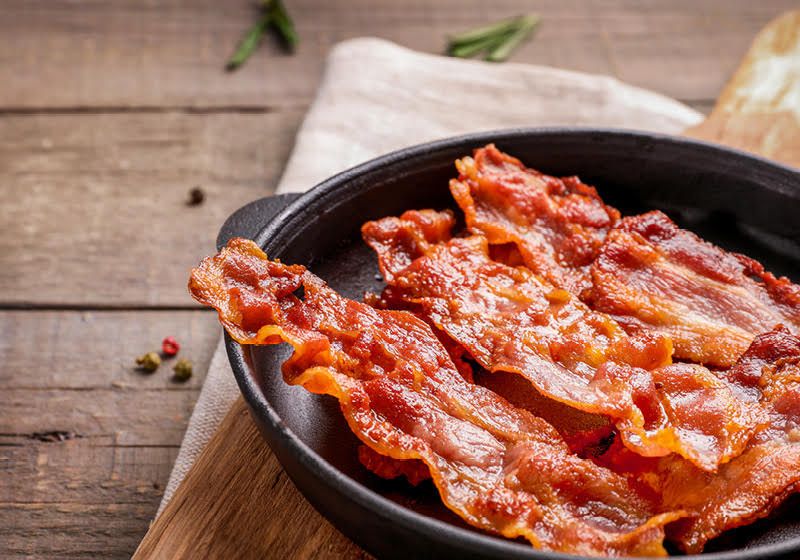
    Exposure to smells associated with fatty foods that mothers consume, such as bacon, during development may increase the risk of obesity later in life, according to a study in mice.

    Image credit:© iStock.com, LumenSt

    People often tell expecting moms that they are “eating for two.”1 While doctors recommend a balanced diet during pregnancy, they also warn against a high-fat diet that could predispose the mother to obesity or insulin resistance. Evidence from animals and humans suggests that adverse maternal metabolic conditions due to such a diet rewire offspring metabolism and increase their risk of developing obesity later in life.2

    The effects of hypercaloric components of maternal high-fat diets on offspring health are well known. However, the consequences of dietary non-nutritive components—such as volatile odors which are transferred directly to the amniotic fluid and milk—are poorly understood. This prompted Max Planck Institute for Metabolism Research neurobiologist Sophie Steculorum and her team to investigate the effect of fat-associated sensory cues on offspring metabolic health.

    Now, Steculorum and her team found that the non-nutritive components of maternal high-fat diet change how an offspring’s brain responds to food and increase their obesity risk during adulthood in mice.3 The findings, published in Nature Metabolism, highlight that fat-related sensory cues during development can prime the regulation of whole-body metabolism.

    Continue reading below…

    Like this story? Sign up for FREE Newsletter updates:

    Latest science news storiesTopic-tailored resources and eventsCustomized newsletter content

    Subscribe

    To investigate the effect of maternal dietary volatile odors, Steculorum and her team fed pregnant mice either a normal chow diet, or a diet flavored with bacon odors. The latter diet had the same nutritional value as the normal chow diet.

    While fetuses exposed to both diets showed similar weight gain, offspring exposed to the bacon-flavored diet showed increased weight gain and fat composition when fed a high-fat diet during adulthood. These animals also developed insulin resistance, revealing that fat-related sensory cues during early life can trigger metabolic defects in adulthood.

    Developmental exposure to high-fat diet alters reward-related circuits in the brain, prompting Steculorum and her team to examine whether fat-related sensory cues affected similar brain regions. The researchers observed increased neuronal activity in dopaminergic reward-associated brain areas of mice exposed to bacon-associated smells, resembling the activity typically seen in obese animals.

    Steculorum and her team also observed that mice exposed to fat-related sensory cues showed impaired activity of neurons expressing agouti-related peptide (AgRP). Food intake normally inhibits AgRP neuronal activation, but mice exposed to a bacon-flavored diet during development did not show AgRP neuronal inhibition in response to a high-fat diet.

    Continue reading below…

    Overall, the researchers identified a novel mechanism in mice through which early exposure to maternal diet primes long-term metabolic health in the offspring. However, they noted that additional work must be done to investigate the findings’ translational relevance to human health.

    Adulthood Bacon Development Increased Mices Obesity Risk Smelling
    Share. Facebook Twitter Pinterest LinkedIn Tumblr WhatsApp Email
    Previous ArticleHealthspan gains momentum in new global report
    Next Article How Much Protein Do You Really Need During Menopause?
    admin
    • Website

    Related Posts

    A Video Report from AGBT

    February 27, 2026

    Novo Nordisk, Vivtex Ink Up to $2.1B Deal to Develop Oral Biologics for Metabolic Conditions

    February 27, 2026

    Increasing Rice Yields with Gene-Informed Selective Breeding

    February 27, 2026

    Mutant p53 Selective Reactivation Demonstrated in Advanced Solid Tumors

    February 27, 2026
    Leave A Reply Cancel Reply

    Our Picks

    9 Time-Saving Kitchen Gadgets for Fall at Amazon

    September 5, 2025

    Why Exercise Is So Important For Heart Health, From An MD

    September 5, 2025

    An Engineered Protein Helps Phagocytes Gobble Up Diseased Cells

    September 5, 2025

    How To Get Rid Of Hangnails + Causes From Experts

    September 5, 2025
    • Facebook
    • Twitter
    • Pinterest
    • Instagram
    • YouTube
    • Vimeo
    Don't Miss
    Longevity

    Nautilus debuts Voyager platform in push toward next-gen proteomics

    By adminMarch 1, 20260

    Company’s new benchtop system promises a clearer view of proteins following validation at a leading…

    First-in-Human Success for Prenatal Stem Cell Therapy in Spina Bifida

    February 28, 2026

    Pressure-Driven Pathway Links Liver Congestion to Fibrosis and Cancer

    February 28, 2026

    A cellular atlas of aging comes into focus

    February 28, 2026

    Subscribe to Updates

    Get the latest creative news from SmartMag about art & design.

    About Us

    At FineGut, our mission is simple: to enhance your self-awareness when it comes to your gut health. We believe that a healthy gut is the foundation of overall well-being, and understanding the brain–gut connection can truly transform the way you live.

    Our Picks

    9 Time-Saving Kitchen Gadgets for Fall at Amazon

    September 5, 2025

    Why Exercise Is So Important For Heart Health, From An MD

    September 5, 2025

    An Engineered Protein Helps Phagocytes Gobble Up Diseased Cells

    September 5, 2025
    Gut Health

    Nautilus debuts Voyager platform in push toward next-gen proteomics

    March 1, 2026

    First-in-Human Success for Prenatal Stem Cell Therapy in Spina Bifida

    February 28, 2026

    Pressure-Driven Pathway Links Liver Congestion to Fibrosis and Cancer

    February 28, 2026
    X (Twitter) YouTube
    • Contact us
    • Privacy Policy
    • Disclaimer
    • Terms and Conditions
    © 2026 finegut.com. Designed by Pro.

    Type above and press Enter to search. Press Esc to cancel.