

New collaboration aims to bring clarity, credibility and cohesion to the fast-growing longevity clinic ecosystem.
Longevity.Technology and the International Institute for Longevity (IIOL) have announced a collaboration designed to bring greater structure and transparency to the expanding longevity-clinic landscape. The partnership pairs Longevity.Technology’s work in data curation, market analysis and sector mapping with IIOL’s focus on operational standards, evidence-based practice and industry representation. It arrives at a moment when longevity clinics are proliferating globally and when clinics, investors and patients alike are seeking clearer indications of quality, scope and scientific rigor.
The initiative sits alongside Longevity Clinics World (LCW) – Longevity.Technology’s directory and informational platform – and follows the growth of the Longevity Clinics Roundtable, now entering its third edition, which has become a forum for discussion of best practice and emerging clinical models. Together these efforts reflect a sector attempting to move beyond enthusiasm toward coherence, with Longevity.Technology providing the informational backbone and IIOL contributing frameworks that help clinics benchmark themselves against evolving standards of care.
Longevity.Technology: The longevity clinic landscape is expanding at a pace that would be enviable were it not so uneven; excellence sits cheek-by-jowl with exuberance, and the distance between evidence and offering can at times feel uncomfortably elastic. A collaboration that pairs Longevity.Technology’s data-driven mapping of the sector with IIOL’s push for operational standards suggests a shift toward something more structured – a recognition that if clinics are to become a credible front line for healthspan, they must be discoverable, comparable and grounded in practice that reflects the science rather than merely gesturing at it. The directory work and shared vetting criteria may not sound glamorous, but these are the quiet mechanics through which a fragmented marketplace begins to cohere.
What is emerging, in effect, is an attempt to create signal in a field still prone to noise: mutually recognized clinics within LCW, common frameworks for quality, and a space where science and service can occupy the same sentence without contradiction. The intention is not to impose orthodoxy – longevity medicine remains too young and too diverse for that – but to give clinics incentives to raise their game and to help the public navigate a rapidly growing, occasionally overconfident ecosystem. This collaboration is likely to nudge the sector toward a more equitable, evidence-led model of care, one in which ambition is matched by accountability and the promise of longevity is not diluted by its own enthusiasm.
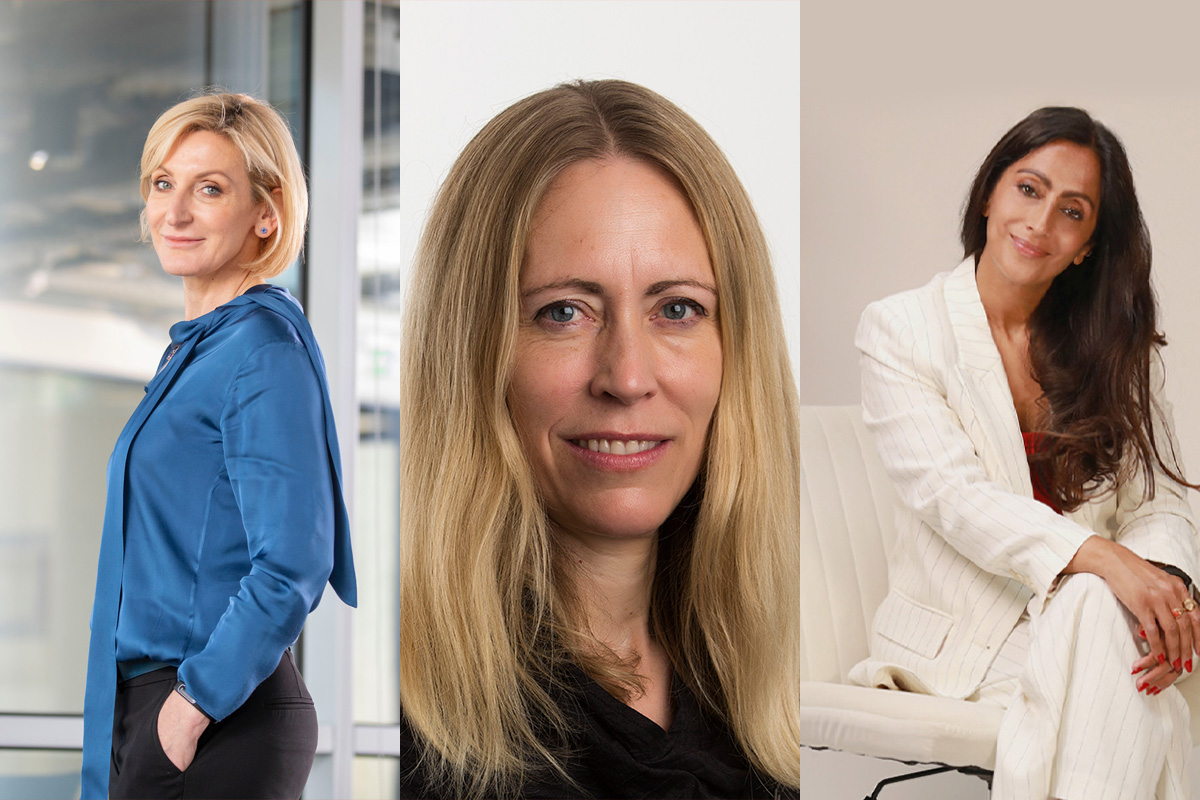
Speaking on the collaboration, Manjit Sareen, the Head of Longevity Clinics World said: “I’m thrilled by our new collaboration with the Institute of International Longevity. Signing this MOU represents an important step forward for our industry. By working together to rigorously vet clinics worldwide, we’re helping ensure that consumers have access to trusted, leading longevity providers across the globe. This partnership strengthens our shared mission, and I couldn’t be happier to welcome the Institute of International Longevity to our team as we continue shaping the future of this field.”
Shared aims, distinct strengths
The collaboration rests on a simple division of labor. Longevity.Technology continues to build datasets, analyze market signals and profile the technologies and scientific developments shaping the sector; IIOL, meanwhile, works directly with clinics, helping them access emerging evidence, adopt validated diagnostics and interventions, and participate in observational studies that may ultimately refine longevity practice. By keeping these functions distinct yet aligned, the two organizations aim to avoid the pitfalls of blurred remit while still strengthening each other’s work.
IIOL describes itself as a platform where science meets practice, convening clinics, innovators, investors and service providers to pursue validated approaches to healthspan extension. Its members share access to standards, contribute to publications and collaborate across sectors as varied as healthcare, sports performance, insurance and hospitality – a reflection of longevity’s increasing permeability across industries. Longevity.Technology’s role is to surface, contextualize and connect these developments, giving readers and market participants a clearer view of how the clinic ecosystem is evolving.
IIOL Cofounder and CEO Joanna Bensz told Longevity.Technology, the Roundtable isn’t just a meeting room – it’s becoming a launchpad for aligning a fast-moving, global sector.
“The Roundtable of Longevity Clinics is bringing together leading clinics, solution and technology provides, investors and innovators from around the world to establish a shared direction for the future of longevity medicine,” she told us. “By uniting global leaders under one roof, we are accelerating the translation of cutting-edge science into real-world practices that extend healthspan, improve quality of life, and promote evidence-based longevity care.”
Why standardization matters
IIOL Executive Director Tina Woods told us, with the field expanding faster than its guardrails, the Roundtable is stepping in to anchor quality before the hype outruns the evidence.
“At a time of major hype and many new players entering the market, a major focus of the roundtable is to address the urgent need to define, measure, and standardize quality in longevity clinics, covering metrics, outcomes, safety, transparency, and evidence-based practices,” she said.
The urgency with which to address industry standards is why the International Institute of Longevity and the Longevity Think Tank launched the Global Survey on Longevity, Health & Wellbeing designed to gather insights from researchers, clinicians, investors and innovators around the world. Submissions are still being sought and results will guide the focus of the International Institute of Longevity’s plans in 2026 being discussed with principal members: Chi Longevity, Fountain Life, Longevity Center Europe, Human Longevity, Cleveland Clinic, Ornish Clinic, Clinique La Prairie and Hook Clinic
Longevity clinics have become early carriers of public interest in healthspan; many patients will experience the field first through a clinic visit rather than a journal article or conference keynote. This visibility brings obligations. Variability in quality and scientific grounding can shape – for better or worse – public perception of the entire longevity movement. Shared criteria for clinic vetting, therefore, are not merely administrative; they are defensive measures that help preserve credibility and filter enthusiasm through an evidence-led lens.
LCW provides the public-facing element of this work. By highlighting clinics that meet mutually defined standards and by offering structured, comparable information about services, LCW aims to support informed decision-making rather than uncritical adoption. For clinics, inclusion becomes both a signal of quality and an encouragement to continue professional development through IIOL’s frameworks and the wider Roundtable network.
Building a more coherent ecosystem
The broader ambition is ecosystem development rather than gatekeeping. The collaboration seeks to promote standardization where it is needed, encourage equity and accessibility across regions, and support clinics as they incorporate advances in biomarkers, AI-enabled risk tools and geroscience-aligned interventions. In this context, the Longevity Clinics Roundtable provides a venue for cross-sector discussion – a place where clinicians, technologists and researchers can explore the practicalities of moving longevity medicine from aspiration to routine care.
Toward a steadier horizon
Longevity medicine is still assembling itself; the science is advancing quickly, yet the structures that will sustain equitable, evidence-led practice are only beginning to take shape. By aligning credible information with responsible standards, the Longevity.Technology–IIOL collaboration gestures toward a more consistent horizon – one in which clinics can grow with confidence, patients can navigate with clarity and the field can mature without losing sight of its scientific foundations.
READ MORE: Longevity clinics converge to shape sector’s future
