

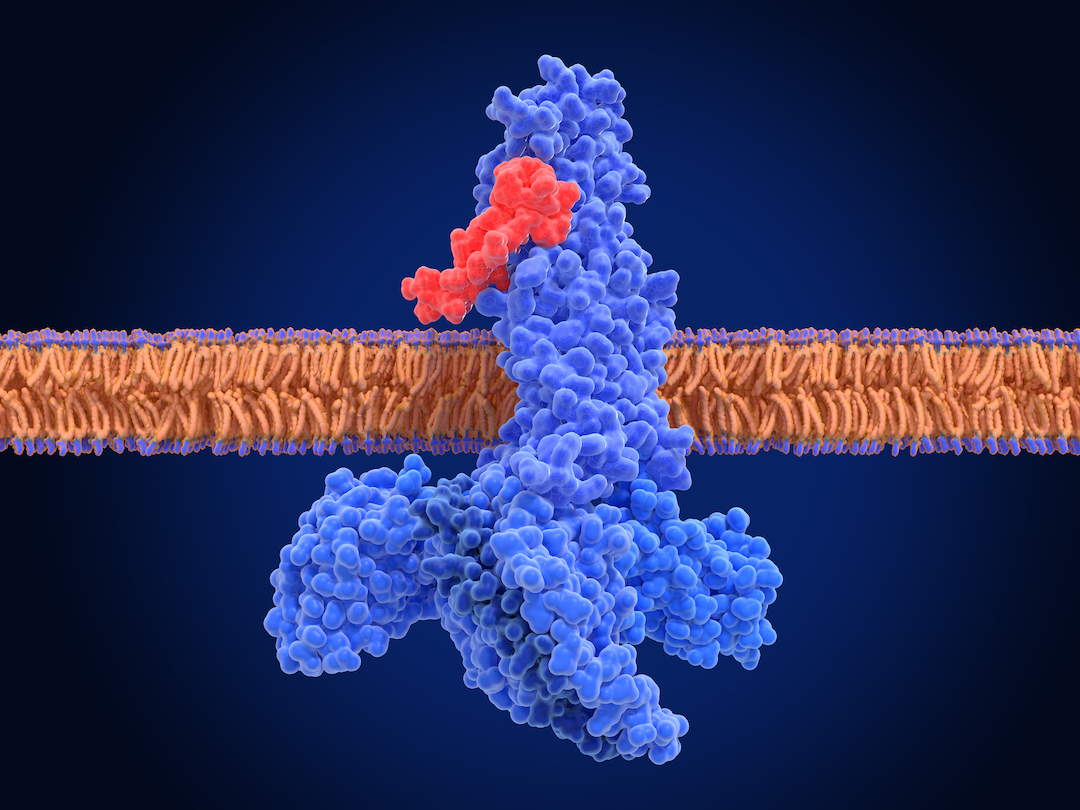
Research led by National Cheng Kung University, Taiwan, suggests glucagon-like peptide 1 (GLP-1) receptor agonists can protect against spine fracture risk.
“Type 2 diabetes is a well-established risk factor for vertebral fractures associated with long-term disability and increased mortality,” explain Yu Chang, MD, a researcher and clinician at National Cheng Kung University, and colleagues in JAMA Surgery.
“While GLP-1 receptor agonists have demonstrated therapeutic benefits beyond glycemic control, their role in bone health remains uncertain, and evidence regarding their association with vertebral fracture risk has been inconsistent.”
Chang and colleagues carried out a study using electronic health record data to assess whether GLP-1 agonist use impacted spine fracture risk in individuals with type 2 diabetes. The researchers used data from TriNetX, an online resource combining anonymized electronic health records from 151 hospitals and clinics around the world.
Overall, the investigators used data from 259,162 users and 1,289,637 nonusers of the GLP-1 receptor agonists dulaglutide, liraglutide, and semaglutide. All the people included had type 2 diabetes. After carefully matching patients on age, sex, other illnesses, and medications, they ended up with two equal groups of 193,563 people each: one group using a GLP-1 drug and one not using one.
The results showed that people taking GLP-1 agonists had a significant 17% lower risk of having a spine fracture over 10 years than non-users.
Chang and team also looked at whether patients needed related spine procedures such as vertebroplasty or kyphoplasty. They found that these procedures were rare overall (between 0.8-1 per 1000 patients), but those treated with GLP-1 agonists had a 20% lower risk of needing these operations compared with those in the non-user group.
“The mechanisms underlying this association are likely multifactorial. GLP-1 receptor agonists may directly promote bone formation and inhibit resorption by modulating osteoblast and osteoclast activity through the RANKL/OPG signaling pathway,” suggest Chang and co-authors.
“They may also enhance bone microarchitecture by affecting calcium and phosphate metabolism and regulation of bone-related hormones through the hypothalamic-pituitary-parathyroid axis. Furthermore, GLP-1 receptor agonists mitigate chronic inflammation and insulin resistance, which may preserve osteoblast function and bone matrix quality, thereby reducing skeletal fragility.”
The study was observational in nature but suggests that these medications, which have received a lot of recent interest due to their ability to treat obesity as well as type 2 diabetes, may have an additional bone health benefit that should be explored further.
