

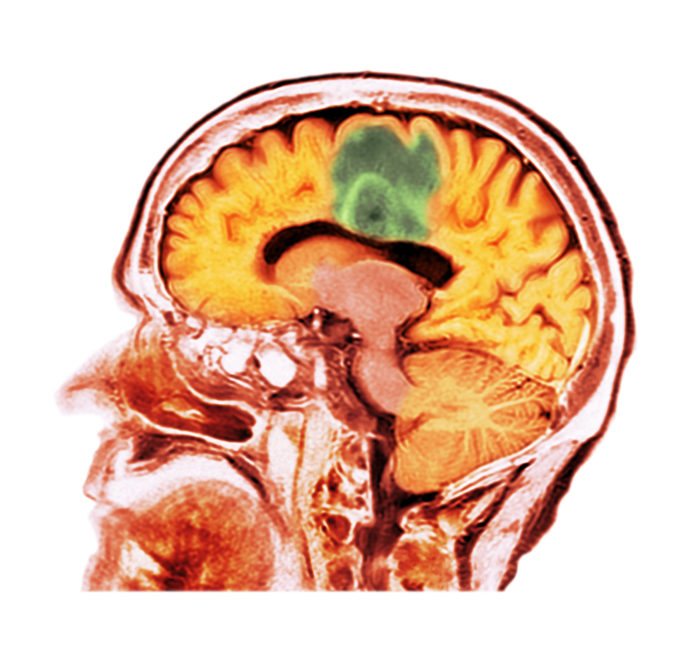
It is well established that glioblastomas are one of the deadliest brain cancers with a median survival rate of about 15 months, according to one estimate. Now new research led by scientists at the University of Sydney could help explain why glioblastomas recur after treatment. Details of the work are reported in a new Nature Communications paper titled “Histone methyltransferase PRDM9 promotes survival of drug-tolerant persister cells in glioblastoma.”
The study showed that a small population of drug-tolerant cells, dubbed persister cells, rewire their metabolism to survive chemotherapy with the help of a fertility gene called PRDM9. “By uncovering how these cancer cells recruit a fertility gene to survive treatment, we’ve opened the door to new approaches that we hope could lead to safer, more effective therapies,” said Lenka Munoz, PhD, lead author on the study and head of cancer research at University of Sydney’s school of medical sciences.
Glioblastomas account for about half of all brain tumors and an estimated 200,000 deaths globally. Tumor recurrence is almost universal even after treatment with surgery, radiation, and chemotherapy. According to the current study, during chemotherapy, persister cells in glioblastoma hijack PRDM9, a gene that is typically active in reproductive cells at the very start of egg and sperm formation, to generate cholesterol which helps them withstand the damage.
Using models of glioblastoma, the scientists found that blocking PRDM9 or cutting off the cholesterol supply successfully wiped out persister cells. Furthermore, when combined with chemotherapy, the treatment approach dramatically improved survival in mice.
“PRDM9 isn’t active in most normal tissues, which makes it an incredibly selective and promising target for cancer therapy,” said George Joun, PhD, first author on the paper and a research fellow in the school of medical sciences. “If we can eliminate the last cancer cells standing, we can stop glioblastoma from returning.”
To that end, the scientists have developed a brain-penetrant chemotherapy drug, dubbed WJA88, and paired it with a cholesterol-lowering agent previously tested in humans. The data showed that this combination shrank tumors and extended survival in preclinical models with minimal side effects. As part of their next steps, the scientists are working with Australian biotech company Syntara to develop PRDM9 inhibitors for further testing in animal models, with an eye towards conducting human studies in a few years.
Beyond glioblastoma, Munoz, Joun, and their colleagues believe that other hard to treat cancers may also survive chemotherapy as a result of persister cells. They plan to test this hypothesis in models of ovarian cancer next.
“Cancer relapse is one of the biggest challenges in oncology. Our research shows that by directly targeting persister cells, relapse may be preventable in preclinical models,” said Munoz. The findings in this study suggest that scientists should “look beyond the bulk of the tumor and study rare persister cells that drive recurrence, as well as what happens after treatment ends rather than only during drug exposure.”
