
Close Menu
My Blog

    Subscribe to Updates

    Get the latest creative news from FooBar about art, design and business.

    What's Hot

    Nautilus debuts Voyager platform in push toward next-gen proteomics

    March 1, 2026

    First-in-Human Success for Prenatal Stem Cell Therapy in Spina Bifida

    February 28, 2026

    Pressure-Driven Pathway Links Liver Congestion to Fibrosis and Cancer

    February 28, 2026
    Facebook X (Twitter) Instagram
    X (Twitter) YouTube
    My BlogMy Blog
    Sunday, March 1
    • Home
    • About Us
    • Healthy Living
    • DNA & Genetics
    • Podcast
    • Shop
    My Blog
    Home»Microbiome»AI Model Helps Diagnose Under-Recognized Heart Condition
    Microbiome

    AI Model Helps Diagnose Under-Recognized Heart Condition

    adminBy adminDecember 17, 2025No Comments2 Mins Read
    Facebook Twitter Pinterest LinkedIn Tumblr WhatsApp VKontakte Email
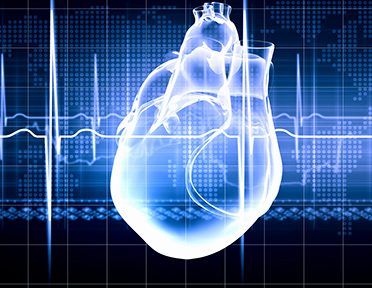
    Transparent blue image of human heart with monitored beat, which can be abnormal in people with coronary microvascular dysfunction
    Share
    Facebook Twitter LinkedIn Pinterest Email

    Credit: SergeyNivens/Getty Images

    An artificial intelligence (AI) model developed by researchers at the University of Michigan and Invia Medical Imaging Solutions can help diagnose a relatively common but underdiagnosed heart condition using a simple electrocardiogram (ECG).

    In a recent study, the researchers showed that using a self-supervised artificial intelligence model they could accurately diagnose coronary microvascular dysfunction. This condition impacts the very small blood vessels in the heart that fail to dilate or regulate blood flow properly, causing ischemia even when the large coronary arteries appear to be normal.

    “Our model creates a way for clinicians to accurately identify a condition that is notoriously hard to diagnose—and often missed in emergency department visits—using a 10-second ECG strip,” said co-lead author Venkatesh Murthy, MD, PhD, a clinician and senior researcher at the University of Michigan, in a press statement.

    The self-supervised AI model was initially trained using 800,000 unlabeled ECGs. It was then fine tuned using data from positron emission tomography (PET), single-photon emission computed tomography (SPECT), and magnetic resonance imaging (MRI) scans in addition to clinical ECG reports.

    The results showed the model was able to detect coronary microvascular dysfunction correctly 70-80% of the time. It outperformed other AI models and was able to predict factors like myocardial flow reserve and left ventricular ejection fraction to a good degree of accuracy.

    Notably, the model was able to match the accuracy of a fully supervised model for some tasks while using less than one‑fifth of the labeled data, and it still performed strongly when applied to different types of imaging and in different patient groups.

    The gold-standard method for diagnosing coronary microvascular dysfunction, which is estimated to affect up to four million people in the U.S., is specialized invasive tests in the cath lab or advanced imaging such as PET or stress cardiac MRI. These can be time consuming and expensive.

    “People who come to the ER for chest pain might have coronary microvascular dysfunction, but their angiogram will show up as ‘clear,’” said co-author Sascha Goonewardena, MD, an associate professor at University of Michigan Medical School.

    “In hospitals with limited resources or non-specialty centers, using our ECG-AI model to predict myocardial flow reserve and coronary microvascular dysfunction will be an easy, cost-effective and non-invasive way to identify when a patient would benefit from advanced testing for a serious condition.”

    condition Diagnose Heart Helps model UnderRecognized
    Share. Facebook Twitter Pinterest LinkedIn Tumblr WhatsApp Email
    Previous ArticlePostdoc Portrait: Isabella Batina | The Scientist
    Next Article 30 years of prebiotic concept
    admin
    • Website

    Related Posts

    First-in-Human Success for Prenatal Stem Cell Therapy in Spina Bifida

    February 28, 2026

    Pressure-Driven Pathway Links Liver Congestion to Fibrosis and Cancer

    February 28, 2026

    Genetic Biomarkers to Predict Efficacy of GLP-1 Therapies Uncovered

    February 28, 2026

    Mapping the Cellular Architecture of Aging Across 21 Organs

    February 28, 2026
    Leave A Reply Cancel Reply

    Our Picks

    9 Time-Saving Kitchen Gadgets for Fall at Amazon

    September 5, 2025

    Why Exercise Is So Important For Heart Health, From An MD

    September 5, 2025

    An Engineered Protein Helps Phagocytes Gobble Up Diseased Cells

    September 5, 2025

    How To Get Rid Of Hangnails + Causes From Experts

    September 5, 2025
    • Facebook
    • Twitter
    • Pinterest
    • Instagram
    • YouTube
    • Vimeo
    Don't Miss
    Longevity

    Nautilus debuts Voyager platform in push toward next-gen proteomics

    By adminMarch 1, 20260

    Company’s new benchtop system promises a clearer view of proteins following validation at a leading…

    First-in-Human Success for Prenatal Stem Cell Therapy in Spina Bifida

    February 28, 2026

    Pressure-Driven Pathway Links Liver Congestion to Fibrosis and Cancer

    February 28, 2026

    A cellular atlas of aging comes into focus

    February 28, 2026

    Subscribe to Updates

    Get the latest creative news from SmartMag about art & design.

    About Us

    At FineGut, our mission is simple: to enhance your self-awareness when it comes to your gut health. We believe that a healthy gut is the foundation of overall well-being, and understanding the brain–gut connection can truly transform the way you live.

    Our Picks

    9 Time-Saving Kitchen Gadgets for Fall at Amazon

    September 5, 2025

    Why Exercise Is So Important For Heart Health, From An MD

    September 5, 2025

    An Engineered Protein Helps Phagocytes Gobble Up Diseased Cells

    September 5, 2025
    Gut Health

    Nautilus debuts Voyager platform in push toward next-gen proteomics

    March 1, 2026

    First-in-Human Success for Prenatal Stem Cell Therapy in Spina Bifida

    February 28, 2026

    Pressure-Driven Pathway Links Liver Congestion to Fibrosis and Cancer

    February 28, 2026
    X (Twitter) YouTube
    • Contact us
    • Privacy Policy
    • Disclaimer
    • Terms and Conditions
    © 2026 finegut.com. Designed by Pro.

    Type above and press Enter to search. Press Esc to cancel.