
Close Menu
My Blog

    Subscribe to Updates

    Get the latest creative news from FooBar about art, design and business.

    What's Hot

    Nautilus debuts Voyager platform in push toward next-gen proteomics

    March 1, 2026

    First-in-Human Success for Prenatal Stem Cell Therapy in Spina Bifida

    February 28, 2026

    Pressure-Driven Pathway Links Liver Congestion to Fibrosis and Cancer

    February 28, 2026
    Facebook X (Twitter) Instagram
    X (Twitter) YouTube
    My BlogMy Blog
    Sunday, March 1
    • Home
    • About Us
    • Healthy Living
    • DNA & Genetics
    • Podcast
    • Shop
    My Blog
    Home»DNA & Genetics»Postdoc Portrait: Isabella Batina | The Scientist
    DNA & Genetics

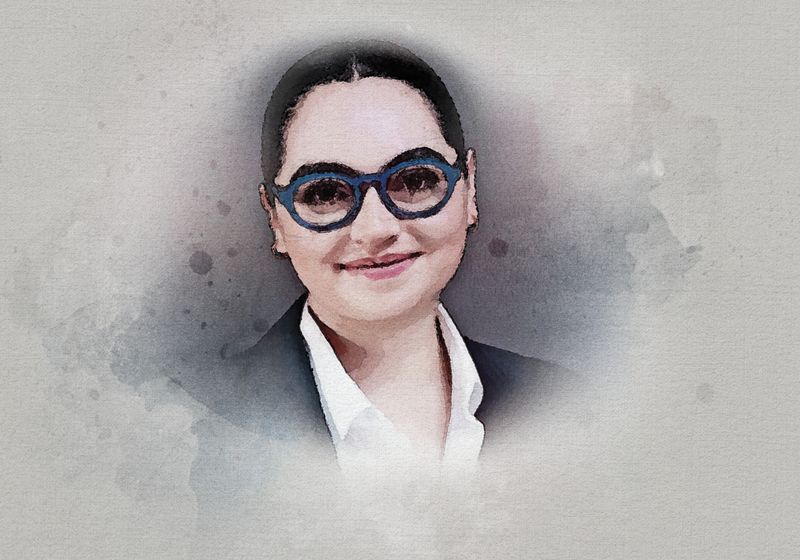
    Postdoc Portrait: Isabella Batina | The Scientist

    adminBy adminDecember 17, 2025No Comments3 Mins Read
    Facebook Twitter Pinterest LinkedIn Tumblr WhatsApp VKontakte Email
    The Scientist Logo
    Share
    Facebook Twitter LinkedIn Pinterest Email

    Trained in medicine and public health, this postdoc studies how social and structural factors shape HIV prevention outcomes.

    Image credit:Fluence Photography, ©iStock.com, CIPhotos

    Q | Write a brief introduction to yourself including the lab you work in and your research background.

    My name is Isabella Batina. I’m a medical doctor from Mexico City with a master’s in public health from Emory University. I currently work as a postdoctoral research fellow at the Ponce Clinical Research Site in Atlanta, where I contribute to clinical trials related to HIV prevention and PrEP care delivery.

    Q | How did you first get interested in science and/or your field of research?

    My interest in science and public health began with a deep curiosity about how social dynamics shape disease outcomes. During medical school, I was intrigued by how certain communities—often those facing structural inequities—experience higher burdens of diseases like HIV. It became clear to me that medicine alone is not enough; we must also understand and address the social, cultural, and economic forces that influence health. This realization led me to pursue a master’s in public health at Emory University and later to join the Ponce Clinical Research Site in Atlanta, where I work on HIV prevention and PrEP care delivery. I’m passionate about research that bridges clinical science and community realities, ensuring that interventions are not only effective but also equitable. To truly end the HIV epidemic, we must confront it from every angle—scientific, social, and systemic.

    Q | Tell us about your favorite research project you’re working on.

    One of my favorite research projects is SaludFindr, a mobile app designed to connect Latino sexual minority men to PrEP access and HIV prevention services at Latino- and queer-friendly clinics. What makes this project so meaningful to me is its strong community-driven foundation. From the very beginning, Latino gay and bisexual men have been involved in shaping every aspect of the app—from its language and design to the way resources are presented. Their feedback ensures that SaludFindr is culturally relevant, affirming, and truly meets the needs of those it aims to serve. Working on this project has shown me the power of combining technology, public health, and community insight to reduce health disparities. It’s inspiring to see participants recognize themselves in a tool created for them and by them, and to know that this approach can meaningfully improve access to HIV prevention in underserved communities.

    Q | What do you find most exciting about your research project?

    The most exciting part of my scientific journey has been connecting directly with participants—people who, without our studies, might not have access to HIV prevention services. Through my work, I’ve had the privilege of meeting individuals whose lives are profoundly impacted by these opportunities, and hearing their stories has been incredibly moving. I’m especially touched by the experiences of women seeking long-acting injectable PrEP, many of whom face unique barriers related to stigma, access, or family dynamics. Seeing their enthusiasm and relief when offered an option that fits their lives reminds me why this work matters. Beyond the data and protocols, it’s the human connections that make research come alive—the trust built, the conversations shared, and the tangible difference we can make in someone’s health journey. Those moments reaffirm my commitment to creating equitable, accessible, and compassionate approaches to HIV prevention.

    Are you a researcher who would like to be featured in the “Postdoc Portraits” series? Send in your application here.

    Batina Isabella Portrait Postdoc Scientist
    Share. Facebook Twitter Pinterest LinkedIn Tumblr WhatsApp Email
    Previous ArticleLilly weight loss drug exceeds targets in Phase III trial
    Next Article AI Model Helps Diagnose Under-Recognized Heart Condition
    admin
    • Website

    Related Posts

    A Video Report from AGBT

    February 27, 2026

    Novo Nordisk, Vivtex Ink Up to $2.1B Deal to Develop Oral Biologics for Metabolic Conditions

    February 27, 2026

    Increasing Rice Yields with Gene-Informed Selective Breeding

    February 27, 2026

    Mutant p53 Selective Reactivation Demonstrated in Advanced Solid Tumors

    February 27, 2026
    Leave A Reply Cancel Reply

    Our Picks

    9 Time-Saving Kitchen Gadgets for Fall at Amazon

    September 5, 2025

    Why Exercise Is So Important For Heart Health, From An MD

    September 5, 2025

    An Engineered Protein Helps Phagocytes Gobble Up Diseased Cells

    September 5, 2025

    How To Get Rid Of Hangnails + Causes From Experts

    September 5, 2025
    • Facebook
    • Twitter
    • Pinterest
    • Instagram
    • YouTube
    • Vimeo
    Don't Miss
    Longevity

    Nautilus debuts Voyager platform in push toward next-gen proteomics

    By adminMarch 1, 20260

    Company’s new benchtop system promises a clearer view of proteins following validation at a leading…

    First-in-Human Success for Prenatal Stem Cell Therapy in Spina Bifida

    February 28, 2026

    Pressure-Driven Pathway Links Liver Congestion to Fibrosis and Cancer

    February 28, 2026

    A cellular atlas of aging comes into focus

    February 28, 2026

    Subscribe to Updates

    Get the latest creative news from SmartMag about art & design.

    About Us

    At FineGut, our mission is simple: to enhance your self-awareness when it comes to your gut health. We believe that a healthy gut is the foundation of overall well-being, and understanding the brain–gut connection can truly transform the way you live.

    Our Picks

    9 Time-Saving Kitchen Gadgets for Fall at Amazon

    September 5, 2025

    Why Exercise Is So Important For Heart Health, From An MD

    September 5, 2025

    An Engineered Protein Helps Phagocytes Gobble Up Diseased Cells

    September 5, 2025
    Gut Health

    Nautilus debuts Voyager platform in push toward next-gen proteomics

    March 1, 2026

    First-in-Human Success for Prenatal Stem Cell Therapy in Spina Bifida

    February 28, 2026

    Pressure-Driven Pathway Links Liver Congestion to Fibrosis and Cancer

    February 28, 2026
    X (Twitter) YouTube
    • Contact us
    • Privacy Policy
    • Disclaimer
    • Terms and Conditions
    © 2026 finegut.com. Designed by Pro.

    Type above and press Enter to search. Press Esc to cancel.