

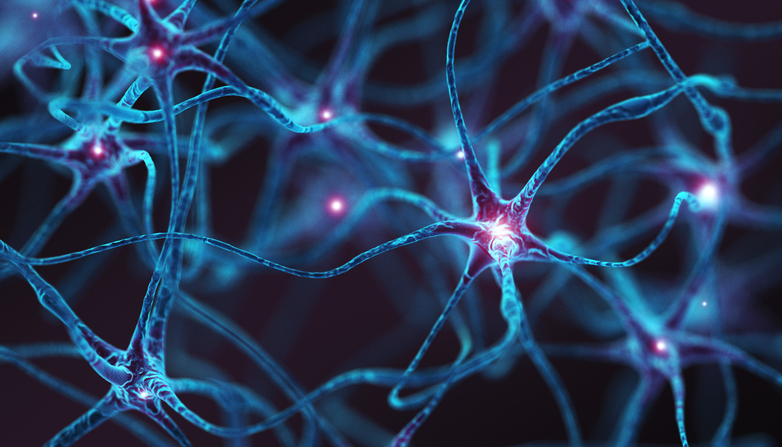
Neural circuits are refined by experience with higher plasticity at younger ages. Non-neuronal brain cells, known as astrocytes, were previously seen as passive support cells, but recent research has shown that they play an important role in shaping brain circuitry. How astrocytes in the brain maintain these differing plasticity levels with age, and whether they stabilize the properties of sensory circuits in adulthood, has remained unclear.
In a new study published in Nature titled, “Astrocyte CCN1 stabilizes neural circuits in the adult brain,” researchers from the Salk Institute have identified the astrocyte secreted protein, CCN1, as key for stabilizing brain circuits in adulthood, offering a new therapeutic target for neurological diseases, such as Alzheimer’s disease, depression, or post-traumatic stress disorder (PTSD).
“This study establishes the crucial role of astrocytes in actively stabilizing the connectivity of neuronal circuits,” said corresponding author Nicola Allen, PhD, professor and co-director of the NOMIS Foundation-funded Neuroimmunology Initiative at Salk. “Our findings demonstrate how the stability of sensory circuits is actively maintained in the adult brain. The discovery of CCN1 as a critical regulator of neuroplasticity could now inform the development of new therapeutics for brain injury and stroke, which has already been associated with CCN1 upregulation.”
Mammalian sensory circuits typically have higher plasticity at younger ages, a period of circuit refinement, and increased stability and reduced plasticity in adulthood. While stability in adulthood is necessary to maintain functional neuronal connectivity, the window for circuit plasticity can be re-opened by digesting the extracellular matrix with enzymes or by transplanting juvenile inhibitory neurons or astrocytes.
To determine the role of astrocytes in plasticity and circuit stability, the authors focused on the mouse visual cortex. Combining a transcriptomic approach with ex vivo electrophysiology and in vivo imaging, results showed that increase in CCN1 expression led to higher cellular maturation in both inhibitory neurons and oligodendrocytes, which dampened the circuits’ neuroplasticity. Conversely, knocking out astrocyte CCN1 in adults destabilized binocular circuits and reduced myelination.
Manipulating CCN1 levels could allow control of plasticity to recover or rebuild lost circuits after injury or trauma. To support this goal, CCN1 is known to bind to many extracellular components of many cell types, including excitatory and inhibitory neurons, oligodendrocytes, and microglia. By binding to important integrin proteins on the cell surface, CCN1 can coordinate the maturation of multiple cell types to reduce the plasticity of the adult brain.
“Maintaining stable circuits is important for proper brain function, but the consequence is that neural plasticity and remodeling are repressed in the adult brain,” said first author Laura Sancho, PhD, a postdoctoral researcher in Allen’s lab. “We wanted to find out if and how astrocytes participate in this critical maintenance, and we found they are in fact essential.”
