

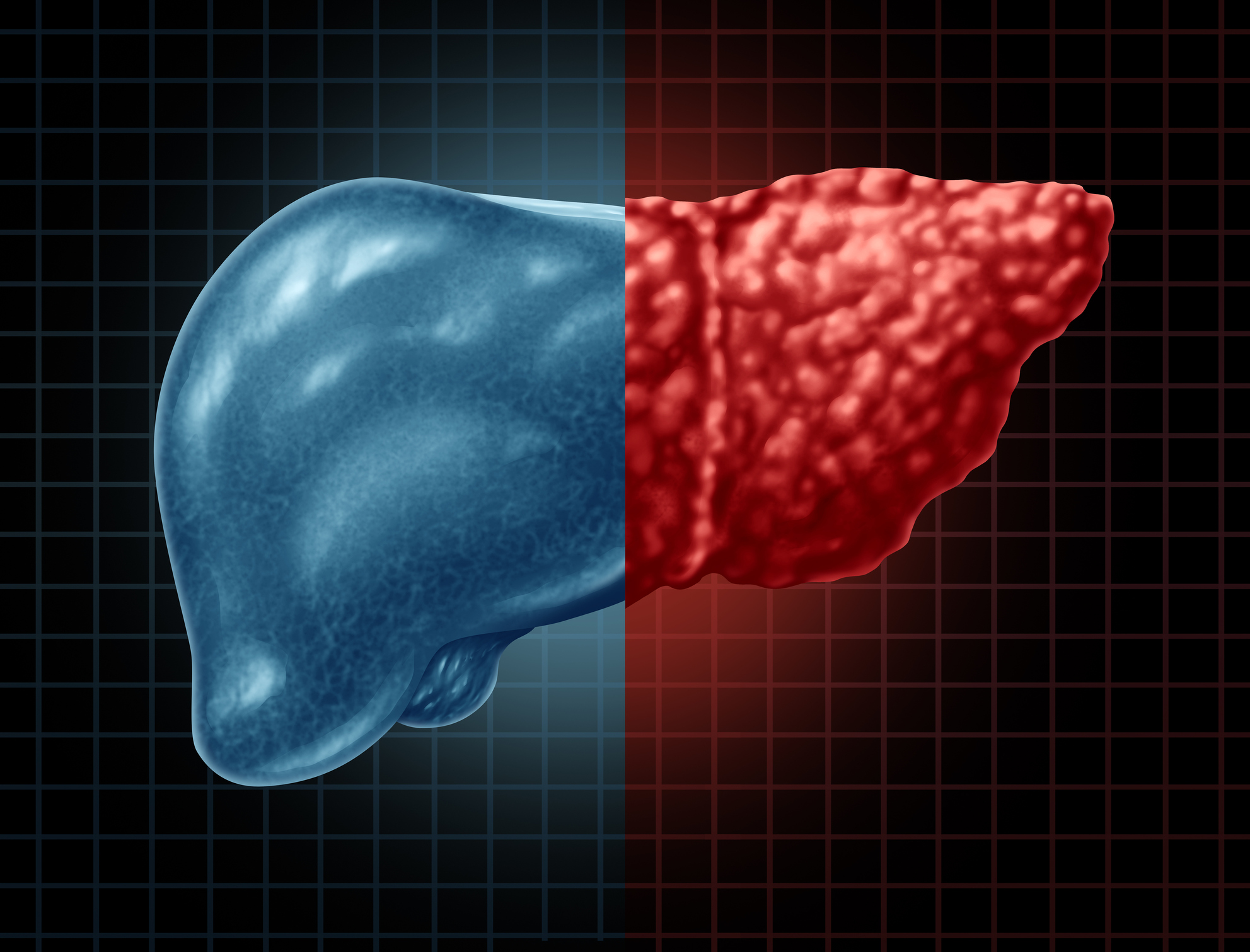
Researchers at the Translational Genomics Research Institute (TGen) have identified distinct protein signatures carried by extracellular vesicles (EVs) in the blood of postmenopausal women that are associated with liver fat and development of metabolic dysfunction-associated steatotic liver disease (MASLD). Their research, published in BMC Medicine, showed that the EV protein INHBE consistently correlated with hepatic steatosis indicating that EVs may reflect biological pathways involved in MASLD development and progression.
“With women specifically, we’re seeing an increase in hepatic steatosis with menopause. Estrogen provides some protection against metabolic disease, including diabetes and heart disease, but when women lose that hormone in menopause, they lose that protection as well,” said senior author Johanna K. DiStefano, PhD, head of TGen’s Metabolic Disease Research Unit. DiStefano added that the study offers “a unique glimpse” into how MASLD and its progressive form, metabolic dysfunction-associated steatohepatitis (MASH), may develop in this understudied group.
MASLD is defined by excessive triglyceride accumulation in the liver and can progress from isolated steatosis to inflammation, fibrosis, and cirrhosis. Studies have shown the MASLD rate among women in the U.S. have risen sharply to 24.9% of women in the period 2007-2014, up from 18.5% from 1988-1994. Routine screenings such as blood tests for liver enzymes and ultrasound often do not detect the presence of the disease, indicating that identifying biomarkers to capture the underlying biology is needed in order to treat the condition before liver damage occurs.
For their research, the TGen team analyzed the protein contents of EVs from blood sample drawn from 275 postmenopausal women, including 75 known to have hepatic steatosis. The women already enrolled in the Michigan trial site of the Study of Women’s Health Across the Nation (MI-SWAN). Hepatic steatosis status was determined by standardized ultrasound, and EVs were isolated using size exclusion chromatography. Protein abundance was compared across groups using statistical models adjusted for ethnicity and diabetes status, with pathway analysis used to identify biological processes represented in the EV cargo.
Of the 469 detected EV proteins from this group, 60 of them differed by hepatic steatosis status. Two proteins, complement C4A and afamin (AFM), were identified as the most promising markers of the disease.
“Two EV proteins, C4A and AFM, were significantly altered between women with and without hepatic steatosis,” the researchers wrote, noting that C4A was reduced while AFM was elevated, consistent with dysregulated immune activation and lipid transport in MASLD.
Subgroup analyses also uncovered differences by race and disease severity. In Black women with hepatic steatosis, EVs were enriched for AFM, C4A, and apolipoprotein A1, while White women showed a different pattern involving complement, coagulation, and lipid transport proteins. “The differences in proteins we observed between Black and White women may suggest a protective mechanism,” DiStefano said, noting that previous research has shown that African Americans have lower susceptibility to steatotic liver disease despite metabolic dysfunction.
The TGen investigators also identified specific EV signatures that differed between races of those with hepatic steatosis. White women with sever disease had increased EV levels of INHBE, AFM, COL18A1, and PRG4, and decreased C4A and APOA1. The only protein shown to be consistently elevated among all patient groups with INHBE, a finding that was later confirmed by independent analyses of liver transcriptomic datasets. The study data showed progressively higher INHBE gene expression across the MASLD spectrum, including MASH and cirrhosis. “INHBE was the most consistently elevated across cohort and subgroup analyses,” the researchers wrote, indicating that it may reflect a metabolic stress response in the livers of postmenopausal women.
The identification of these EV proteins has implications for clinical care. Because EVs can be sampled from blood and may capture early molecular changes, they could complement existing tools for screening and risk stratification, particularly in women who may have normal liver enzymes or indeterminate imaging findings. “Our study suggests EV proteins such as INHBE and AFM may be good candidates for biomarkers of disease and contributors to MASLD in high-risk populations,” said first author Patrick Pirrotte, PhD, an associate professor in the Early Detection and Prevention Division of TGen.
The researchers will continue their research using a large of cohort of patient find out how EV protein signatures relate to metabolic dysfunction over time in postmenopausal women and whether these markers can predict progression toward MASH. If these early results are confirmed, EV profiling could eventually clinicians better understand individual risk of MASLD in postmenopausal women and tailor prevention or monitoring strategies for women at risk of developing to liver disease.
