

US President says agreements with more drugmakers will lower costs for patients; critics question what savings consumers will actually see.
President Donald Trump on Friday unveiled a fresh set of drug pricing agreements with nine additional pharmaceutical companies, widening the administration’s effort to curb prescription drug costs while temporarily stepping back from threatened import tariffs.
With the latest round of commitments, 14 of the 17 drugmakers previously singled out by the White House have now signed on.
The deals follow a common framework: participating companies agree to lower prices for Medicaid recipients, sell select medicines directly to consumers at discounted rates and introduce new drugs in the US at prices closer to those charged abroad. In return, they receive a three-year pause on potential tariffs.
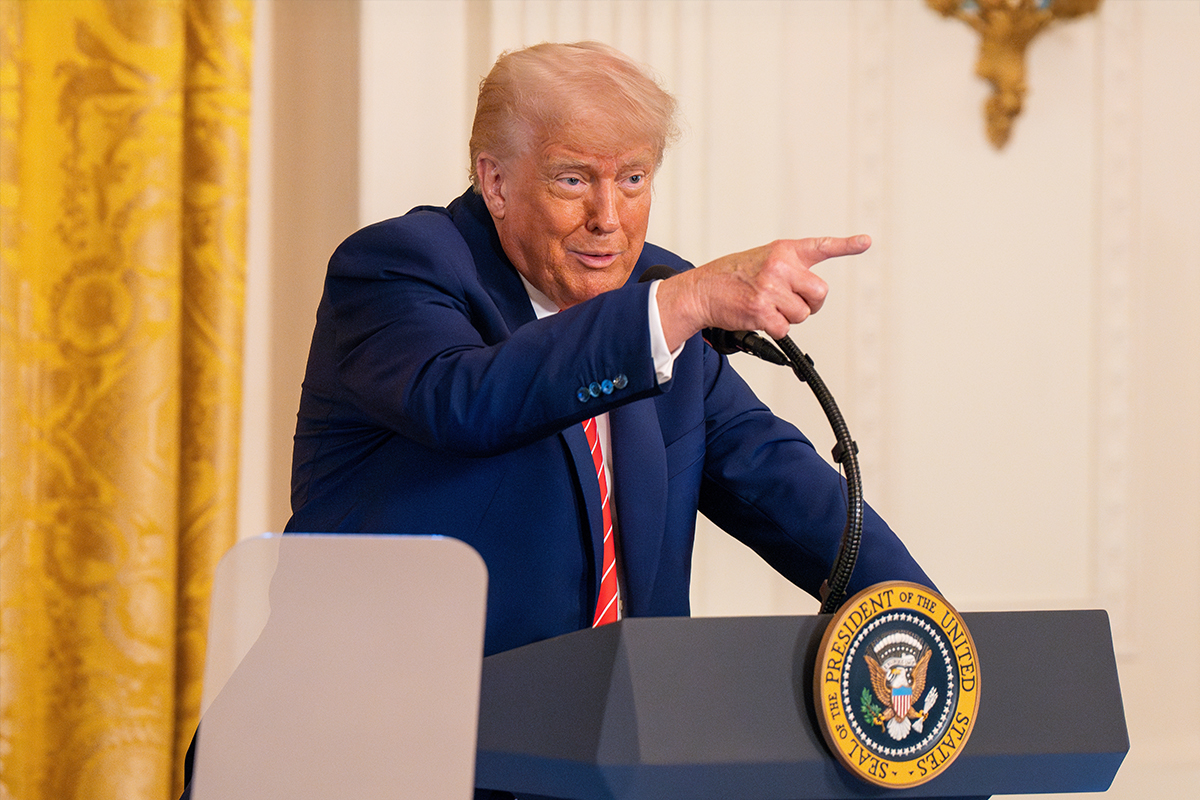
“American drug prices will come down fast and furious, and will soon be among the lowest in the developed world,” Trump said during the announcement.
The newly participating companies include Roche Holding AG’s Genentech unit, Novartis AG, Bristol-Myers Squibb Co., Gilead Sciences Inc, Boehringer Ingelheim, Amgen Inc, GSK Plc, Sanofi and Merck & Co.
Their agreements largely follow the same structure as earlier arrangements reached with Pfizer Inc and AstraZeneca Plc, signaling a standardized approach rather than bespoke negotiations.
Three major manufacturers – AbbVie Inc, Johnson & Johnson and Regeneron Pharmaceuticals Inc – remain outside the framework for now. All have confirmed they are still in talks with the administration.
Trump said price reductions would be required to avoid tariffs, highlighting that pressure remains on the remaining holdouts.
The administration pointed to several high-profile concessions as evidence of near-term impact. Bristol-Myers said it would provide its best-selling blood thinner, Eliquis, at no cost to Medicaid patients. Gilead committed to reducing the price of its hepatitis C treatment Epclusa to under $2,500 on the forthcoming TrumpRx platform, a sharp drop from its current list price.
Commerce Secretary Howard Lutnick said additional announcements could follow after the holidays, as preparations continue for the TrumpRx website, which is expected to launch early next year.
The platform is designed as a centralized marketplace where eligible Americans can purchase discounted medicines covered by the agreements.
Beyond pricing, several companies also pledged supply-chain support measures. These include donating six months’ worth of certain raw drug materials to a national stockpile and committing to manufacturing finished medicines during emergencies, such as antibiotics and inhalers – steps framed by the administration as bolstering domestic health security.
Regulatory incentives were also part of the announcement. The Food and Drug Administration (FDA) said it will grant Merck expedited review for two drugs currently in development: a cholesterol treatment and a cancer therapy.
Under the accelerated pathway, review timelines could be shortened from roughly a year to as little as one or two months.
Company executives highlighted manufacturing investments and price cuts they said would strengthen the US health-care system. However, some of the spending plans had already been disclosed, and several of the drugs spotlighted by the administration face competition from lower-cost alternatives already on the market.
Skeptics argue that the savings may not be as transformative as portrayed. Some medicines, including Sanofi’s insulin products, are already available at similar prices through existing patient assistance programs, while others have generic equivalents that undercut branded pricing.
Trump also used the event to signal a broader push on health-care affordability, saying he plans to convene insurance companies to discuss lowering premiums. The remarks weighed on health insurance stocks during the trading session, with shares of UnitedHealth Group Inc, Elevance Health Inc and CVS Health Corp dipping.
Insurers pushed back, noting that premiums largely reflect underlying medical costs. AHIP, the industry’s main trade group, said margins and administrative expenses are regulated and expressed openness to discussions aimed at cost reduction.
Drug pricing remains one of the most politically charged issues in US health care, with Americans paying significantly more for medicines than patients in many other countries. Pharmaceutical companies maintain that higher US prices help finance research and development and reflect differences in international pricing systems.
For now, the administration is positioning the new agreements as a concrete step toward easing costs for patients. “This will have a tremendous impact on health care,” Trump said.
Whether the deals translate into sustained, system-wide savings or primarily repackage existing discounts is likely to remain an open question as TrumpRx comes online next year.
