
Close Menu
My Blog

    Subscribe to Updates

    Get the latest creative news from FooBar about art, design and business.

    What's Hot

    Nautilus debuts Voyager platform in push toward next-gen proteomics

    March 1, 2026

    First-in-Human Success for Prenatal Stem Cell Therapy in Spina Bifida

    February 28, 2026

    Pressure-Driven Pathway Links Liver Congestion to Fibrosis and Cancer

    February 28, 2026
    Facebook X (Twitter) Instagram
    X (Twitter) YouTube
    My BlogMy Blog
    Sunday, March 1
    • Home
    • About Us
    • Healthy Living
    • DNA & Genetics
    • Podcast
    • Shop
    My Blog
    Home»DNA & Genetics»Donated Mitochondria Help Alleviate Nerve Damage and Pain in Mice
    DNA & Genetics

    Donated Mitochondria Help Alleviate Nerve Damage and Pain in Mice

    adminBy adminJanuary 7, 2026No Comments3 Mins Read
    Facebook Twitter Pinterest LinkedIn Tumblr WhatsApp VKontakte Email
    The Scientist Logo
    Share
    Facebook Twitter LinkedIn Pinterest Email

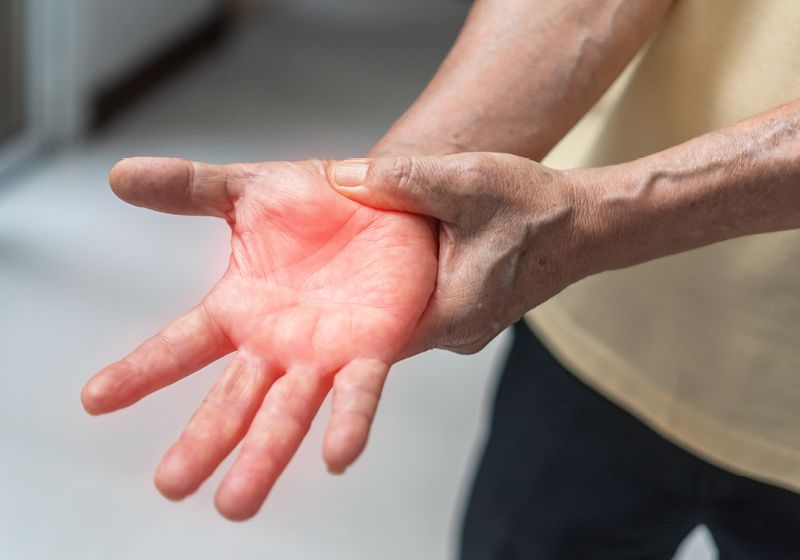
    Mitochondrial transfer from glial cells to neighboring sensory neurons reduced neuropathic pain in mice, indicating its therapeutic potential.

    Image credit:©iStock.com, Chinnapong

    Fast-acting cells, such as sensory neurons, require a lot of energy to function, so they have a high demand for mitochondria. But how do these cells generate and maintain enough of these powerhouse organelles to sustain themselves?

    Ru-Rong Ji, a pain researcher at Duke University, and his colleagues recently discovered that glial cells that surround sensory neurons play a critical role in this process: They transfer mitochondria to their neighbors.1 When the researchers blocked this process in mice, the animals experienced more nerve damage and pain. These findings, published in Nature, highlight mitochondrial transfer as a possible solution for treating chronic pain in humans.

    Ru-Rong Ji, a researcher at Duke University, studies the mechanisms of chronic pain.

    Duke University School of Medicine/Jack Newman

    Researchers once thought that each cell is responsible for its own mitochondria supply, but mounting evidence suggests that the organelles can move between neighboring cells. Ji and his colleagues wondered if this was also the case for sensory neurons and their surrounding glial cells.

    To address this question, the researchers co-cultured mice sensory neurons and glial cells and labeled their mitochondria with a dye (MitoTracker). They watched the two cell types interact under the microscope and observed that over 80 percent of neurons received mitochondria from glial cells via a few different mechanisms. Blocking endocytosis, the formation of gap junctions, and specialized structures called tunneling nanotubes (TNT) suppressed mitochondrial transfer.

    Next, Ji and his colleagues investigated if their findings in cultured cells held true in live animals. They labeled the mitochondria of mice glial cells, and then they imaged the cells and their neighboring sensory neurons five and 10 days later. On the tenth day, 23 percent of neurons contained mitochondria from glial cells. Inhibiting endocytosis and TNT formation also significantly decreased mitochondrial transfer from glial cells to sensory neurons, aligning with the researchers’ in vitro data.

    To further evaluate how applicable their results were to humans, Ji’s team analyzed human neurons and glial cells from healthy and diabetic donors (up to 50 percent of patients with diabetes experience nerve damage). There was less mitochondrial transfer between the glial cells and sensory neurons of patients with diabetes than their healthy counterparts. Furthermore, the introduction of healthy human donors’ glial cells—or mitochondria isolated from these cells—to diabetic mice alleviated their hypersensitivity to touch, a key symptom of neuropathic pain.

    “By giving damaged nerves fresh mitochondria—or helping them make more of their own—we can reduce inflammation and support healing,” said Ji in a statement. “This approach has the potential to ease pain in a completely new way.”

    Alleviate Damage Donated Mice Mitochondria Nerve Pain
    Share. Facebook Twitter Pinterest LinkedIn Tumblr WhatsApp Email
    Previous ArticleOrgan Swaps and Mass Preventative Gene Therapy to Extend Lifespan
    Next Article Advances in Extracellular Vesicle Separation and Isolation
    admin
    • Website

    Related Posts

    A Video Report from AGBT

    February 27, 2026

    Novo Nordisk, Vivtex Ink Up to $2.1B Deal to Develop Oral Biologics for Metabolic Conditions

    February 27, 2026

    Increasing Rice Yields with Gene-Informed Selective Breeding

    February 27, 2026

    Mutant p53 Selective Reactivation Demonstrated in Advanced Solid Tumors

    February 27, 2026
    Leave A Reply Cancel Reply

    Our Picks

    9 Time-Saving Kitchen Gadgets for Fall at Amazon

    September 5, 2025

    Why Exercise Is So Important For Heart Health, From An MD

    September 5, 2025

    An Engineered Protein Helps Phagocytes Gobble Up Diseased Cells

    September 5, 2025

    How To Get Rid Of Hangnails + Causes From Experts

    September 5, 2025
    • Facebook
    • Twitter
    • Pinterest
    • Instagram
    • YouTube
    • Vimeo
    Don't Miss
    Longevity

    Nautilus debuts Voyager platform in push toward next-gen proteomics

    By adminMarch 1, 20260

    Company’s new benchtop system promises a clearer view of proteins following validation at a leading…

    First-in-Human Success for Prenatal Stem Cell Therapy in Spina Bifida

    February 28, 2026

    Pressure-Driven Pathway Links Liver Congestion to Fibrosis and Cancer

    February 28, 2026

    A cellular atlas of aging comes into focus

    February 28, 2026

    Subscribe to Updates

    Get the latest creative news from SmartMag about art & design.

    About Us

    At FineGut, our mission is simple: to enhance your self-awareness when it comes to your gut health. We believe that a healthy gut is the foundation of overall well-being, and understanding the brain–gut connection can truly transform the way you live.

    Our Picks

    9 Time-Saving Kitchen Gadgets for Fall at Amazon

    September 5, 2025

    Why Exercise Is So Important For Heart Health, From An MD

    September 5, 2025

    An Engineered Protein Helps Phagocytes Gobble Up Diseased Cells

    September 5, 2025
    Gut Health

    Nautilus debuts Voyager platform in push toward next-gen proteomics

    March 1, 2026

    First-in-Human Success for Prenatal Stem Cell Therapy in Spina Bifida

    February 28, 2026

    Pressure-Driven Pathway Links Liver Congestion to Fibrosis and Cancer

    February 28, 2026
    X (Twitter) YouTube
    • Contact us
    • Privacy Policy
    • Disclaimer
    • Terms and Conditions
    © 2026 finegut.com. Designed by Pro.

    Type above and press Enter to search. Press Esc to cancel.