

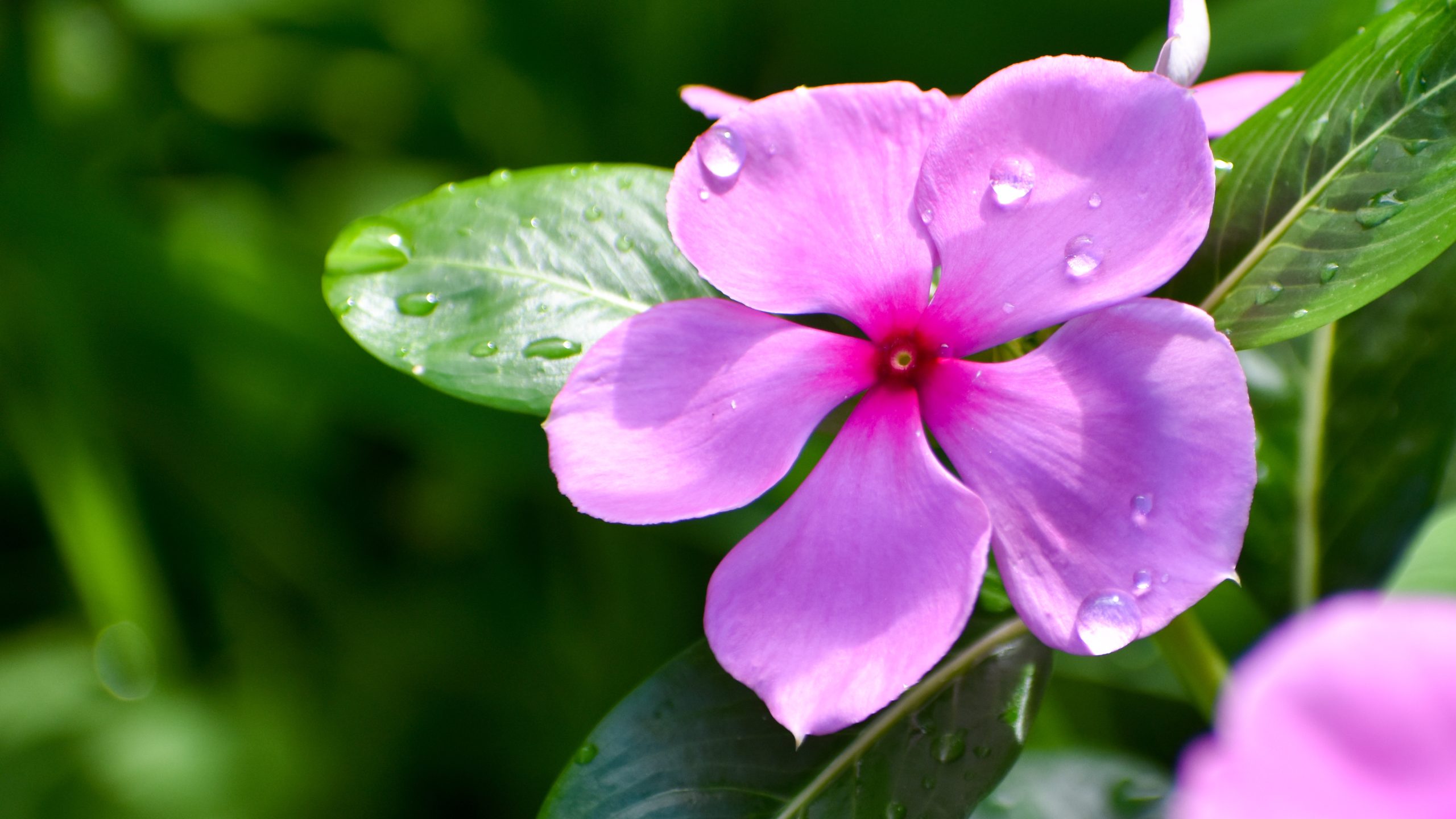
A fungus quietly living inside a common medicinal plant might hold the key to making an important cancer drug more accessible.
Vinblastine, a chemotherapy agent used for decades to treat cancers such as lymphoma, breast cancer, and cervical cancer, is traditionally extracted from the Madagascar periwinkle (Catharanthus roseus). But the plant produces the compound in extremely small amounts, making production costly and environmentally taxing. In a new study, biochemist Sunil S. More, PhD, of Dayananda Sagar University in Bangalore, India, and his colleagues report that an endophytic fungus—one that lives harmlessly inside plant tissue—can also make vinblastine, raising the prospect of a more sustainable supply.
The researchers isolated fungi from the leaves of C. roseus plants collected in southern India and screened them for biochemical signs of vinblastine production. One promising strain carried a gene that encodes the enzyme tryptophan decarboxylase, which is involved in alkaloid biosynthesis. Genetic sequencing identified the organism as Colletotrichum siamense, a species better known for its association with plants than for producing pharmaceuticals.
Using a battery of analytical techniques—including high-performance liquid chromatography, mass spectrometry, ultraviolet spectroscopy, and infrared spectroscopy—the team confirmed that the fungus synthesized vinblastine with the same molecular signature as the plant-derived drug. Although the yield was modest, about 138 µg/L, the result demonstrates proof of principle.
The fungal vinblastine also showed biological activity. In laboratory tests, partially purified extracts inhibited the growth of human cervical cancer (HeLa) and breast cancer (MCF-7) cell lines, with potency in the same range expected for anticancer compounds.
The findings add to growing evidence that endophytic fungi can act as alternative factories for complex plant chemicals. If optimized through fermentation and biotechnology, such microbes could reduce reliance on slow-growing plants and stabilize supplies of critical medicines. For vinblastine, a fungus tucked inside a leaf might one day help bring a life-saving drug to more patients, at lower cost and with less strain on natural resources.
