
Close Menu
My Blog

    Subscribe to Updates

    Get the latest creative news from FooBar about art, design and business.

    What's Hot

    Nautilus debuts Voyager platform in push toward next-gen proteomics

    March 1, 2026

    First-in-Human Success for Prenatal Stem Cell Therapy in Spina Bifida

    February 28, 2026

    Pressure-Driven Pathway Links Liver Congestion to Fibrosis and Cancer

    February 28, 2026
    Facebook X (Twitter) Instagram
    X (Twitter) YouTube
    My BlogMy Blog
    Sunday, March 1
    • Home
    • About Us
    • Healthy Living
    • DNA & Genetics
    • Podcast
    • Shop
    My Blog
    Home»DNA & Genetics»Microbes in Tree Bark Cycle Greenhouse Gases
    DNA & Genetics

    Microbes in Tree Bark Cycle Greenhouse Gases

    adminBy adminJanuary 8, 2026No Comments3 Mins Read
    Facebook Twitter Pinterest LinkedIn Tumblr WhatsApp VKontakte Email
    The Scientist Logo
    Share
    Facebook Twitter LinkedIn Pinterest Email

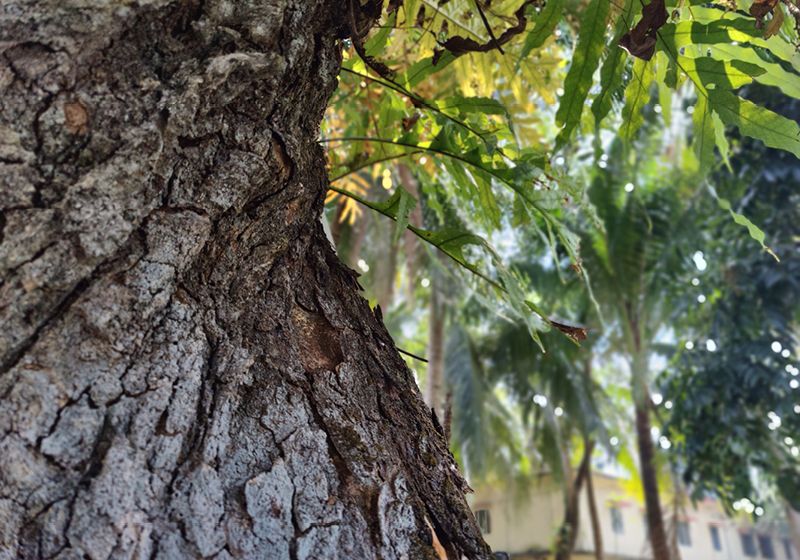
    Tree bark teems with microbial life that contributes to the cycling of atmospheric gases.

    Image credit:© iStock.com, Tanjina Pervin Seema

    The cracked, hard bark of woody plants carries more than just lichen, insects, and years of dust. The seemingly barren layer teems with trillions of microbes, including bacteria, algae, and fungi.1

    Tree bark across the planet spans a surface area roughly similar to that of all terrestrial land, placing these bark-associated microbes all across the globe. Despite this, scientists do not fully understand the metabolism of these microbes and the roles they play in the ecosystem.

    Now, researchers led by Monash University microbiologists Pok Man Leung and Chris Greening and Southern Cross University biogeochemist Luke Jeffrey used metagenomics to characterize the bark microbiota of eight common Australian tree species.2 They found that bark microbes can cycle the greenhouse gases methane, hydrogen, and carbon monoxide. The results, published in Science, suggest that bark microbiota likely contribute to the climate benefits of trees by regulating gas cycling.

    Leung, Jeffrey, Greening, and their team first measured gas concentrations within the bark of one tree species. They observed increased abundance of hydrogen, carbon monoxide, and methane in the stem compared to the atmosphere. They also examined volatile organic compounds (VOCs) in the bark and observed high concentrations of methanol, acetaldehyde, butene, and other compounds commonly produced by microbial communities.

    Consistent with this, quantitative polymerase chain reaction using DNA isolated from tree trunks revealed the presence of more than six trillion bacteria per square meter of bark. Sampling seven additional common tree species indicated similar abundance of microbes in the trunk.

    To profile the composition and metabolic functions of microbes in this community, the researchers carried out metagenomic sequencing. Metagenomic analyses indicated that the microbes encoded several enzymes that would help them metabolize the high concentrations of gases and VOCs in tree bark.

    They noticed that bark microbes exhibited a wide variety of enzymes to break down hydrogen gas. This suggested that the microbes could metabolize gases under variable environmental conditions. This could include periods of oxygen abundance—such as during the day—as well as oxygen scarcity—such as such as in water-saturated conditions or at night.

    To test this hypothesis, the researchers placed strips of tree bark into bottles and flushed them with air either containing or lacking oxygen. They analyzed the flux of gases in each case and observed that bark microbes consumed hydrogen, carbon monoxide, and methane under oxic conditions. During anoxic conditions, the bark microbes produced these gases, indicating that tree trunks are biogeochemical hotspots for climate-active gas cycling.

    “Collectively, these results suggest that trees and their microbiota contribute to regulating global atmospheric cycles and should be considered in biogeochemical models, forest management, and conservation efforts,” the authors wrote in the paper. They further noted that these properties should be considered in forest management to optimize plantation of tree species that could remove greenhouse gases under local conditions.

    “Future work should extend these findings by examining the role of trees as sources and sinks of trace gases beyond the few species and narrow geographic location of this study,” wrote Vincent Gauci, a University of Birmingham biogeochemist who was not associated with the study, in a related perspective article.3

    Bark Cycle Gases Greenhouse Microbes Tree
    Share. Facebook Twitter Pinterest LinkedIn Tumblr WhatsApp Email
    Previous ArticleGround-Breaking DrugCLIP Offers AI-Driven, Ultra-Fast Drug Virtual Screening
    Next Article OpenAI dives into consumer health
    admin
    • Website

    Related Posts

    A Video Report from AGBT

    February 27, 2026

    Novo Nordisk, Vivtex Ink Up to $2.1B Deal to Develop Oral Biologics for Metabolic Conditions

    February 27, 2026

    Increasing Rice Yields with Gene-Informed Selective Breeding

    February 27, 2026

    Mutant p53 Selective Reactivation Demonstrated in Advanced Solid Tumors

    February 27, 2026
    Leave A Reply Cancel Reply

    Our Picks

    9 Time-Saving Kitchen Gadgets for Fall at Amazon

    September 5, 2025

    Why Exercise Is So Important For Heart Health, From An MD

    September 5, 2025

    An Engineered Protein Helps Phagocytes Gobble Up Diseased Cells

    September 5, 2025

    How To Get Rid Of Hangnails + Causes From Experts

    September 5, 2025
    • Facebook
    • Twitter
    • Pinterest
    • Instagram
    • YouTube
    • Vimeo
    Don't Miss
    Longevity

    Nautilus debuts Voyager platform in push toward next-gen proteomics

    By adminMarch 1, 20260

    Company’s new benchtop system promises a clearer view of proteins following validation at a leading…

    First-in-Human Success for Prenatal Stem Cell Therapy in Spina Bifida

    February 28, 2026

    Pressure-Driven Pathway Links Liver Congestion to Fibrosis and Cancer

    February 28, 2026

    A cellular atlas of aging comes into focus

    February 28, 2026

    Subscribe to Updates

    Get the latest creative news from SmartMag about art & design.

    About Us

    At FineGut, our mission is simple: to enhance your self-awareness when it comes to your gut health. We believe that a healthy gut is the foundation of overall well-being, and understanding the brain–gut connection can truly transform the way you live.

    Our Picks

    9 Time-Saving Kitchen Gadgets for Fall at Amazon

    September 5, 2025

    Why Exercise Is So Important For Heart Health, From An MD

    September 5, 2025

    An Engineered Protein Helps Phagocytes Gobble Up Diseased Cells

    September 5, 2025
    Gut Health

    Nautilus debuts Voyager platform in push toward next-gen proteomics

    March 1, 2026

    First-in-Human Success for Prenatal Stem Cell Therapy in Spina Bifida

    February 28, 2026

    Pressure-Driven Pathway Links Liver Congestion to Fibrosis and Cancer

    February 28, 2026
    X (Twitter) YouTube
    • Contact us
    • Privacy Policy
    • Disclaimer
    • Terms and Conditions
    © 2026 finegut.com. Designed by Pro.

    Type above and press Enter to search. Press Esc to cancel.