
Close Menu
My Blog

    Subscribe to Updates

    Get the latest creative news from FooBar about art, design and business.

    What's Hot

    Nautilus debuts Voyager platform in push toward next-gen proteomics

    March 1, 2026

    First-in-Human Success for Prenatal Stem Cell Therapy in Spina Bifida

    February 28, 2026

    Pressure-Driven Pathway Links Liver Congestion to Fibrosis and Cancer

    February 28, 2026
    Facebook X (Twitter) Instagram
    X (Twitter) YouTube
    My BlogMy Blog
    Sunday, March 1
    • Home
    • About Us
    • Healthy Living
    • DNA & Genetics
    • Podcast
    • Shop
    My Blog
    Home»DNA & Genetics»Postdoc Portrait: Jessica Strosahl | The Scientist
    DNA & Genetics

    Postdoc Portrait: Jessica Strosahl | The Scientist

    adminBy adminJanuary 12, 2026No Comments3 Mins Read
    Facebook Twitter Pinterest LinkedIn Tumblr WhatsApp VKontakte Email
    The Scientist Logo
    Share
    Facebook Twitter LinkedIn Pinterest Email

    This postdoc focuses on addressing long-standing gaps in research, education, and patient care for individuals with rare genetic disorders.

    Image credit:Solanch Dupeyron, ©iStock.com, Liudmila Chernetska

    Q | Write a brief introduction to yourself including the lab you work in and your research background.

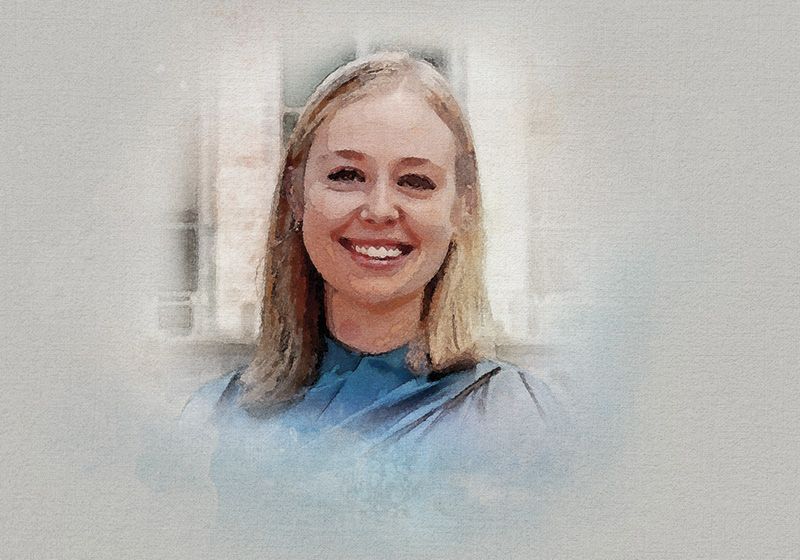
    My name is Jessica Strosahl, and I am a Postdoctoral Fellow and Genetic Metabolic Dietitian under the mentorship of Rani Singh in the Department of Human Genetics at Emory University. I work within the Medical Nutrition Therapy for Prevention Program, which addresses critical gaps in research, education, and patient care for individuals with inherited metabolic disorders (IMDs) and other genetic disorders.

    Q | How did you first get interested in your field of research?

    My passion for IMD research began during my undergraduate education at the University of Wisconsin-Madison, where I worked as a nutrition assistant at the Biochemical Genetics Clinic. In that role, I witnessed firsthand the physical and emotional challenges faced by individuals living with rare diseases. These experiences profoundly shaped my career goals and inspired me to pursue a PhD and obtain my Registered Dietitian Nutritionist credential. I aspired to bridge the gap between clinical care and metabolic research to improve the lives of patients with IMDs. I’m grateful that in my current role, I can bring that vision to life by conducting translational research that advances dietary treatments for individuals living with IMDs.

    Q | Tell us about your favorite research project you’re working on.

    One of my favorite projects is our interventional clinical trial investigating protein requirements in adults with PKU—a major evidence gap in the field. Current PKU protein recommendations are extrapolated from outdated nitrogen balance studies in the general population, which likely underestimate true needs. Our study uses the state-of-the-art, minimally invasive indicator amino acid oxidation method to directly measure protein requirements and stratify by participant genotype. Because individuals with PKU rely on varying amounts of phenylalanine-free medical protein supplements, we also aim to determine whether protein needs differ based on medical protein prescriptions. Participants attend 8-hour visits at Emory’s Clinical Research Center, consuming hourly meal shakes composed of amino acids, isotopic tracers, and carbohydrate–fat blends—topped off with a specially formulated cookie baked in our lab. This experience has taught me how challenging participant recruitment can be in rare disease research, and how essential it is to have strong mentorship and institutional support. I’m grateful to work with Singh and Emory University, who make this research possible.

    Q | What has been the most exciting part of your scientific career so far?

    Beginning my first clinical trial and receiving my first grant as principal investigator have been the most exciting and rewarding milestones of my scientific career so far. Both represent pivotal steps toward establishing my independence as a researcher and advancing evidence-based nutrition care in inherited metabolic disorders.

    Q | If you could be a laboratory instrument, which one would you be and why?

    I would be dual-energy X-ray absorptiometer (DXA) scanner—it reveals what’s beneath the surface to give a clearer, more complete picture. My research takes a similar approach, integrating genotype, metabolism, and diet to inform personalized nutrition strategies that better support individuals with IMDs.

    Are you a researcher who would like to be featured in the “Postdoc Portraits” series? Send in your application here.

    Jessica Portrait Postdoc Scientist Strosahl
    Share. Facebook Twitter Pinterest LinkedIn Tumblr WhatsApp Email
    Previous ArticleEY Sees M&A Surging, IPOs Sluggish in 2026
    Next Article Key advances in gut microbiome research during 2025
    admin
    • Website

    Related Posts

    A Video Report from AGBT

    February 27, 2026

    Novo Nordisk, Vivtex Ink Up to $2.1B Deal to Develop Oral Biologics for Metabolic Conditions

    February 27, 2026

    Increasing Rice Yields with Gene-Informed Selective Breeding

    February 27, 2026

    Mutant p53 Selective Reactivation Demonstrated in Advanced Solid Tumors

    February 27, 2026
    Leave A Reply Cancel Reply

    Our Picks

    9 Time-Saving Kitchen Gadgets for Fall at Amazon

    September 5, 2025

    Why Exercise Is So Important For Heart Health, From An MD

    September 5, 2025

    An Engineered Protein Helps Phagocytes Gobble Up Diseased Cells

    September 5, 2025

    How To Get Rid Of Hangnails + Causes From Experts

    September 5, 2025
    • Facebook
    • Twitter
    • Pinterest
    • Instagram
    • YouTube
    • Vimeo
    Don't Miss
    Longevity

    Nautilus debuts Voyager platform in push toward next-gen proteomics

    By adminMarch 1, 20260

    Company’s new benchtop system promises a clearer view of proteins following validation at a leading…

    First-in-Human Success for Prenatal Stem Cell Therapy in Spina Bifida

    February 28, 2026

    Pressure-Driven Pathway Links Liver Congestion to Fibrosis and Cancer

    February 28, 2026

    A cellular atlas of aging comes into focus

    February 28, 2026

    Subscribe to Updates

    Get the latest creative news from SmartMag about art & design.

    About Us

    At FineGut, our mission is simple: to enhance your self-awareness when it comes to your gut health. We believe that a healthy gut is the foundation of overall well-being, and understanding the brain–gut connection can truly transform the way you live.

    Our Picks

    9 Time-Saving Kitchen Gadgets for Fall at Amazon

    September 5, 2025

    Why Exercise Is So Important For Heart Health, From An MD

    September 5, 2025

    An Engineered Protein Helps Phagocytes Gobble Up Diseased Cells

    September 5, 2025
    Gut Health

    Nautilus debuts Voyager platform in push toward next-gen proteomics

    March 1, 2026

    First-in-Human Success for Prenatal Stem Cell Therapy in Spina Bifida

    February 28, 2026

    Pressure-Driven Pathway Links Liver Congestion to Fibrosis and Cancer

    February 28, 2026
    X (Twitter) YouTube
    • Contact us
    • Privacy Policy
    • Disclaimer
    • Terms and Conditions
    © 2026 finegut.com. Designed by Pro.

    Type above and press Enter to search. Press Esc to cancel.