

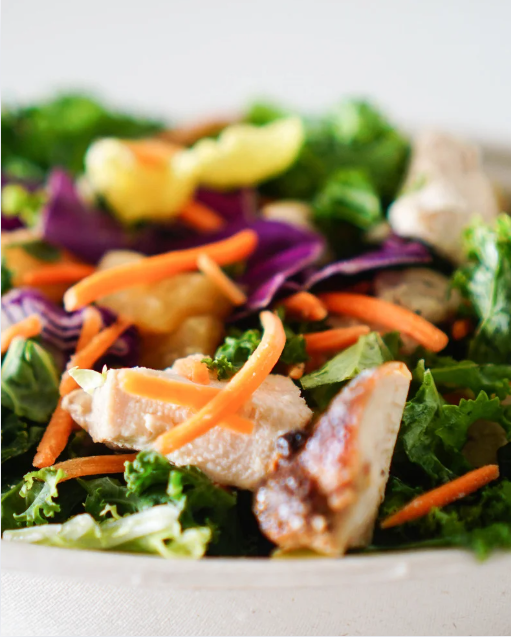
Chicken salad is the quintessential versatile dish. Whether you are prepping for a sophisticated garden party, packing a quick weekday lunch, or looking for a way to use up Sunday’s leftovers, learning how to make chicken salad is a fundamental skill for any home cook.
Its beauty lies in its adaptability; it can be a creamy, indulgent spread or a light, protein-packed Mediterranean feast.
In this definitive guide, we will explore the nuances of creating the perfect bowl. We will cover how to make homemade chicken salad using various methods—from using a whole rotisserie bird to the convenience of canned protein.
You will learn the secrets to the perfect dressing, the best way to cook your poultry to ensure it never becomes dry, and how to balance sweet and savory additions like grapes and nuts.
By the time you finish this guide, you will know exactly how to make chicken salad at home in a way that rivals your favorite deli or specialized “chicken salad chick” cafes. Let’s dive into the world of textures, flavors, and techniques that make this dish an evergreen favorite.
What Is Chicken Salad?
At its most basic level, chicken salad is a dish comprised of chopped or shredded cooked poultry bound together by a dressing.
Traditionally, this dressing is mayonnaise-based, but modern culinary trends have expanded the definition significantly.
Classic chicken salad recipe variations usually include a combination of:
- Protein: Cooked chicken (white or dark meat).
- Binder: Mayonnaise, aioli, or salad dressing.
- Crunch: Celery, onions, or nuts.
- Acid: Lemon juice, vinegar, or pickle juice to brighten the flavor.
Modern chicken salad recipes have evolved to include ingredients like Greek yogurt for a healthy twist, curry powder for an aromatic kick, or even mashed avocado for a dairy-free creaminess.
Regardless of the style, the goal is always a harmonious balance of protein, fat, acid, and texture.
What Are the 4 Ingredients in Chicken Salad?
While some recipes boast a long list of spices and aromatics, you can achieve a fantastic result with minimal effort. Many people ask, “What are the 4 ingredients in chicken salad?” when they are in a rush. The most common minimalist combination includes:
- Chicken: Cooked and shredded or cubed.
- Mayonnaise: To provide the creamy base.
- Celery: For that essential “snap” and crunch.
- Salt and Pepper: To enhance the natural flavors.
If you want to create a 3-ingredient chicken salad recipe, you can even simplify this further by using chicken, mayo, and a pre-made seasoning blend or relish. Conversely, moving up to 5-ingredient chicken salad recipes usually involves adding an acidic component like Dijon mustard or a sweet element like dried cranberries to elevate the profile from “basic” to “gourmet.”
How to Make Chicken for Chicken Salad
The foundation of a great salad is the chicken itself. If the meat is dry or flavorless, no amount of mayonnaise can save it.
Understanding how to make chicken for chicken salad is the first step toward success.
Best Ways to Cook Chicken
- Poaching: This is perhaps the best method for a moist result. By gently simmering chicken breasts in water or broth with aromatics (like onion and peppercorns), you ensure the meat remains tender and easy to shred.
- Baking: Roasting chicken at a high temperature (400F) with a rub of olive oil and salt creates a deeper flavor profile. This is ideal if you prefer cubed chicken over shredded.
- Boiling: While effective, boiling can lead to tough meat if overdone. It is best used when you intend to shred the chicken very finely.
- Rotisserie: The ultimate “hack.” Using a store-bought bird is the fastest way to get flavorful, seasoned meat without turning on your stove.
Shredding vs. Chopping
The texture of your salad depends on how you prep the meat. Shredded chicken salad has a softer mouthfeel and allows the dressing to coat every single fiber.
Using a stand mixer with the paddle attachment is a great pro-tip for shredding large batches in seconds. Chopping or cubing the chicken, on the other hand, provides a more substantial “bite” and is the preferred method for classic deli-style presentations.
Classic Chicken Salad Recipe (From Scratch)
If you want to master the old-fashioned homemade chicken salad, you need to follow a process that respects each ingredient.
This version focuses on the “from scratch” approach, where you control the moisture and the seasoning perfectly.
Step-by-Step Instructions
- Cook the Poultry: Poach two large chicken breasts in salted water until the internal temperature reaches 165°F. Let them cool completely before handling.
- Dice the Aromatics: Finely dice two stalks of celery and one small shallot. The shallot provides a more sophisticated, milder flavor than a standard white onion.
- Whisk the Dressing: In a separate bowl, combine 3/4 cup of high-quality mayonnaise, 1 tablespoon of Dijon mustard, a squeeze of fresh lemon, and a teaspoon of fresh dill.
- Combine: Fold the cooled, cubed chicken into the dressing along with the celery and shallots.
- Chill: This is the most important step. Allow the salad to rest in the refrigerator for at least one hour. This allows the flavors to meld and the dressing to set.
Homemade chicken salad recipe success often comes down to the quality of your mayo. If you have the time, making your own aioli using egg yolks and oil will transform the dish into a luxury experience.
How to Make Chicken Salad with Mayonnaise
When learning how to make chicken salad with mayonnaise, the ratio is key. Too much mayo makes the salad soupy; too little makes it dry and unappealing.
A good rule of thumb is to start with 1/2 cup of mayo for every 2 cups of chicken. You can always add more, but you can’t take it away. To balance the richness of the fat, always add a “flavor balancer.
This could be a teaspoon of apple cider vinegar or a tablespoon of finely chopped dill pickles. This acidity cuts through the heaviness of the mayo, making the chicken salad dressing taste fresh rather than oily.
How to Make Chicken Salad Without Mayo
For those seeking a lighter alternative or a different flavor profile, knowing how to make chicken salad without mayo is essential. This is often the route taken when people ask how to make healthy chicken salad at home.
Greek Yogurt Version
The most popular substitute is plain Greek yogurt. It provides the same creamy texture but with significantly more protein and fewer calories. Because yogurt is tangier than mayo, you may want to add a touch of honey or maple syrup to balance the acidity.
Avocado-Based Dressing
Mashing a ripe avocado with lime juice and cilantro creates a “Green Goddess” style chicken salad. This version is packed with healthy fats and is naturally dairy-free.
Light Vinaigrette Options
For a Mediterranean-style salad, skip the creamy binders entirely. Use extra virgin olive oil, lemon juice, dried oregano, and plenty of fresh parsley. This style pairs beautifully with added ingredients like chickpeas or cherry tomatoes.
How to Make Chicken Salad with Canned Chicken
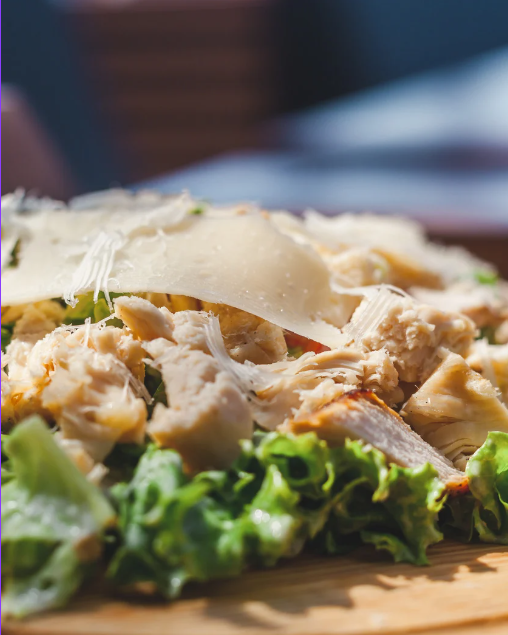
When you are short on time or haven’t made a trip to the butcher, knowing how to make chicken salad from canned chicken is a lifesaver. While some purists shy away from canned poultry, it is an excellent pantry staple that, when handled correctly, produces a delicious and budget-friendly meal.
Draining and Prepping Canned Chicken
The most critical step in how to make the best chicken salad with canned chicken is the drainage. Canned chicken is packed in water or broth, and if that liquid makes it into your bowl, it will turn your dressing into a watery mess.
- The Squeeze: After draining the can, place the meat in a fine-mesh strainer and press it firmly with a spoon to remove every drop of excess moisture.
- Fluffing: Use a fork to break up the large chunks. Canned chicken is very soft, so be careful not to over-process it into a paste.
Texture and Flavor Upgrades
Because canned chicken is very mild and soft, you need to over-compensate with “crunch” and “zing.”
- Double the Crunch: Add extra celery or toasted pecans to provide a contrast to the soft meat.
- Bold Seasoning: Canned chicken benefits from stronger aromatics. Use garlic powder, onion powder, or even a dash of hot sauce to give the protein more character.
How to Make Chicken Salad with Rotisserie Chicken
Using a pre-roasted bird is the ultimate “chef’s secret” for depth of flavor. If you want to know how to make chicken salad from rotisserie chicken, the key is in the temperature and the skin.
Best Parts to Use
For a balanced salad, use a mix of breast meat (for structure) and thigh meat (for moisture and fat). The dark meat from a rotisserie chicken adds a rich, savory element that you simply cannot get from poached breasts alone.
Skin On vs. Off
While the skin of a rotisserie chicken is flavorful, it can become rubbery once chilled in a salad.
- The Pro Tip: Remove the skin, chop it finely, and crisp it up in a pan for a few minutes. Use it as a garnish on top of your homemade chicken salad just before serving for an incredible texture contrast.
How to Make Chicken Salad with Grapes
One of the most popular variations in the United States involves the addition of fruit. Learning how to make chicken salad with grapes requires a delicate balance between sweet and savory.
Sweet vs. Savory Balance
Grapes provide “bursts” of sweetness that cut through the salty mayonnaise. To keep the salad from tasting like a dessert, ensure you have plenty of black pepper and perhaps a bit of finely minced red onion to provide a sharp counterpoint.
Grape Types and Prep
Red seedless grapes are the standard choice because of their color and thin skins. Always quarter the grapes rather than just halving them.
This ensures that every bite has a small piece of fruit without the grape rolling out of your sandwich.
Chicken Salad Chick–Style Recipes
The “Chicken Salad Chick” franchise has revolutionized the way people think about this dish by offering over a dozen “flavors” of chicken salad. If you want to know how to make chicken salad at home, you need to focus on two things: the fine shreds and the seasoning.
Texture Notes
Unlike chunky deli salads, this style is known for a very fine, almost pate-like shred. To achieve this, use a food processor or a stand mixer to break the chicken down until it is extremely fine.
Popular Flavor Profiles
- The “Classic Carol”: This is their base. It uses a specific ratio of mayo and “secret seasoning” (which is largely celery salt and onion powder).
- The “Fancy Nancy”: This version incorporates the how to make chicken salad chick grape salad elements, adding Fuji apples and pecans.
- The Broccoli Side: Many people also look for how to make chicken salad chick broccoli salad to round out the meal. This involves fresh florets, bacon bits, and a sweet vinegar-based dressing.
How to Make Chicken Salad for Sandwiches
A salad meant for a bowl is different from a salad meant for a sandwich. When figuring out how to make chicken salad for sandwiches, consistency is your primary concern.
Consistency Adjustments
A sandwich salad needs to be “tackier.” If the dressing is too loose, it will soak into the bread, making it soggy. To prevent this, increase your ratio of binder (mayo or yogurt) slightly and ensure your celery and onions are minced very finely so they don’t create air pockets that allow the sandwich to fall apart.
Best Bread Choices
- Croissants: The buttery, flaky layers are the classic pairing for a creamy chicken salad.
- Toasted Sourdough: Provides a sturdy base that stands up to a “wet” salad.
- Wraps: A great low-carb way to enjoy the salad, especially if you add a layer of spinach to act as a moisture barrier between the chicken and the tortilla.
Simple & Easy Chicken Salad Recipes
If you are a beginner, don’t be intimidated. Here is how do you make a simple salad step by step:
- Prep: Open two cans of chicken (drained) or chop 2 cups of leftover chicken.
- Chop: Cut one stalk of celery into tiny pieces.
- Mix: In a bowl, stir together 1/2 cup mayo, 1 teaspoon mustard, and a pinch of salt.
- Combine: Fold the chicken and celery into the sauce.
- Serve: Put it on bread or eat it with crackers.
This is the simplest chicken salad recipe possible, and it serves as the foundation for every other variation mentioned in this guide.
Flavor Variations & Popular Styles
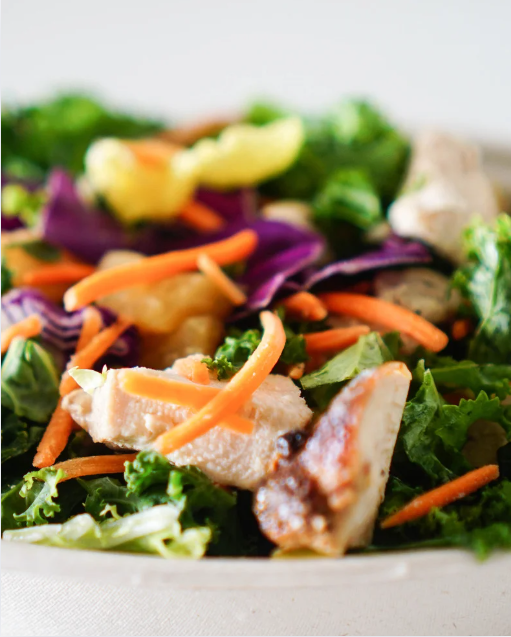
Once you have mastered the basics of how to make homemade chicken salad, you can begin experimenting with international and regional flavor profiles. Because chicken is a neutral protein, it acts as a canvas for a wide variety of cuisines.
Chicken Caesar Salad
Learning how to make chicken Caesar salad involves shifting from a mayonnaise base to a classic Caesar dressing.
- The Dressing: Use a blend of olive oil, egg yolk, anchovy paste, garlic, and plenty of Parmesan cheese.
- The Crunch: Instead of celery, use torn Romaine lettuce and large, buttery croutons.
- The Finish: Always serve with extra shavings of Parmesan and a heavy crack of black pepper. Unlike creamy chicken salads, this version should be tossed just before serving to keep the lettuce crisp.
Chicken Macaroni Salad
If you are looking for a more filling, picnic-style dish, you should learn how to make chicken macaroni salad. This is essentially a hybrid of two classic sides.
- The Pasta: Use elbow macaroni or ditalini. Ensure the pasta is cooked al dente so it doesn’t turn mushy when it absorbs the dressing.
- The Binder: This version usually requires more dressing than a standard salad because the pasta absorbs moisture as it sits. A mix of mayo and a splash of milk or pickle juice helps keep it creamy.
Mexican Chicken Salad (Ensalada de Pollo)
For a vibrant, zesty twist, try how to make mexican chicken salad. This version often replaces celery with colorful vegetables.
- The Ingredients: Fold in corn, black beans, diced tomatoes, and pickled jalapeños.
- The Dressing: Mix your mayo with lime juice, cumin, and chili powder.
- The Serving: This is traditionally served on crispy corn tostadas with a slice of avocado on top.
10 Best Chicken Salad Recipes (Quick List)
If you are looking for a quick reference for your next meal prep session, here are the 10 best chicken salad recipes categorized by their unique “star” ingredient:
- The Classic: Mayo, celery, lemon, and dill.
- The Waldorf: Grapes, apples, walnuts, and a touch of honey.
- The Buffalo: Blue cheese dressing, celery, and Frank’s Red Hot.
- The Curried: Yellow curry powder, golden raisins, and toasted almonds.
- The Pesto: Basil pesto, pine nuts, and sun-dried tomatoes.
- The Southern: Hard-boiled eggs, sweet relish, and yellow mustard.
- The Asian-Style: Sesame oil, soy sauce, ginger, and crunchy chow mein noodles.
- The Avocado: Smashed avocado, lime, and cilantro (No Mayo).
- The Tarragon: Fresh tarragon, white wine vinegar, and shallots.
- The Tex-Mex: Chipotle mayo, corn, black beans, and lime.
FAQs About Chicken Salad
What does a chicken salad contain?
At its core, it contains cooked chicken, a binder (like mayo or yogurt), and aromatics for crunch (like celery or onion). From there, you can add fruits, nuts, or various spices.
How do you make a simple salad step by step?
Start by prepping your chicken (cubed or shredded), whisking your dressing in a separate bowl, dicing your crunchy vegetables, and folding everything together. Always chill for at least 30 minutes before serving.
What are the 4 ingredients in chicken salad?
The most common 4-ingredient version is cooked chicken, mayonnaise, celery, and salt/pepper. This provides the protein, the creaminess, the crunch, and the seasoning.
How to make healthy chicken salad at home?
To reduce calories and increase nutrients, swap the mayonnaise for non-fat Greek yogurt or mashed avocado. Use plenty of fresh herbs for flavor instead of extra salt or heavy sauces.
How long does homemade chicken salad last?
When stored in an airtight container in the refrigerator, it will stay fresh for 3 to 5 days. Do not leave it at room temperature for more than 2 hours.
Final Tips for Making the Best Chicken Salad
To truly understand how to make the best chicken salad, you must focus on the finishing touches that move a recipe from average to exceptional.
- Seasoning: Always taste your salad after it has chilled. Cold temperatures can mute flavors, so you may find you need an extra pinch of salt or a squeeze of lemon just before serving.
- Texture: If your salad feels too “flat,” add a handful of toasted sunflower seeds or sliced almonds at the very end.
- Storage: Keep your salad in the coldest part of the fridge. If the salad seems dry the next day, don’t just add more mayo—add a teaspoon of water or lemon juice to loosen the existing dressing first.
By following these techniques, from choosing the right cooking method for your poultry to balancing your flavor profiles, you can confidently create a dish that is both nutritious and incredibly satisfying. Whether it’s a simple chicken salad recipe for a busy Tuesday or an elaborate spread for a weekend brunch, you now have the ultimate toolkit for success.
Conclusion:
The journey to discovering how to make the best chicken salad is one of culinary exploration and personal preference.
As we have navigated through this definitive guide, it is clear that this dish is far more than just a simple mixture of poultry and dressing.
It is a sophisticated balance of textures—the snap of fresh celery, the creaminess of high-quality mayonnaise or Greek yogurt, and the tender bite of perfectly poached chicken.
Whether you prefer the nostalgic simplicity of an old-fashioned homemade chicken salad, the vibrant zest of a Mexican-inspired bowl, or the healthy, protein-forward approach of a no-mayo version, the fundamental principles remain the same:
- Quality Protein: Start with moist, well-seasoned chicken, whether it’s from a rotisserie bird, a can, or freshly poached breasts.
- Texture Balance: Never skip the “crunch” factor provided by aromatics or nuts.
- The Chill Factor: Allow the flavors time to marry in the refrigerator to achieve that professional deli-style finish.
Authoritative References
1. USDA Food Safety and Inspection Service: Kitchen Companion
2. Academy of Nutrition and Dietetics: Healthy Ingredient Swaps
3. The Culinary Institute of America (CIA): The Professional Chef
4. FDA: Food Code 2022 (Safe Food Handling)
5. Mayo Clinic: Nutrition and Healthy Eating
