

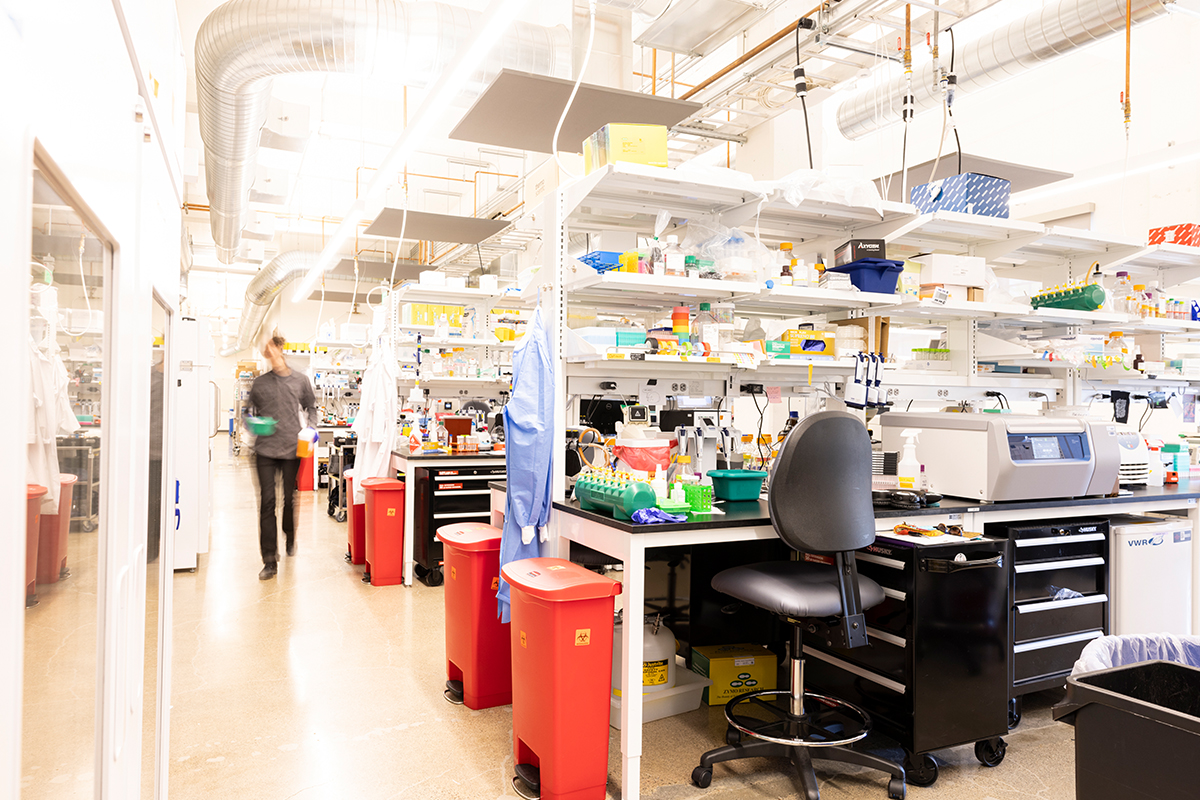
Scribe’s CRISPR-based cholesterol reduction therapy is part of a three-pronged approach to combating cardiovascular disease.
Genetic medicine biotech Scribe Therapeutics is readying for first-in-human trials of a CRISPR-based therapy aimed at one of the most common and stubborn drivers of cardiovascular disease: hypercholesterolemia. The Alameda, CA–based company has revealed plans to commence its first clinical study later this year – a liver-targeted therapy designed to lower low-density lipoprotein cholesterol by epigenetically silencing the PCSK9 gene.
Scribe’s lead program, called STX-1150, is the first in a pipeline that also includes programs targeting lipoprotein(a) and severe triglyceride disorders, which, when combined, account for a substantial share of inherited cardiovascular risk. Despite the availability of effective lipid-lowering drugs, the company claims patient outcomes are limited by lifelong dosing requirements, side effects, and poor long-term adherence. Scribe is betting that a genetic intervention can help change the game.
“We designed STX-1150 to overcome many of the limitations of today’s lipid-lowering therapies through powerful epigenetic silencing, and to meaningfully change how cardiovascular risk is managed for millions of patients,” said Scribe CEO Dr Benjamin Oakes.
PCSK9 is among the most well-validated targets in lipid biology. People born with naturally occurring “loss-of-function variants” in the gene have lifelong low LDL-C levels and dramatically reduced rates of coronary heart disease. Scribe’s strategy is to capture the cardioprotective effect seen in those with “lucky genetics” and deliver it in a form that does not rely on daily pills or frequent injections.
“We can either wait for natural selection, or we can ‘install’ the beneficial version,” Oakes told us in a recent interview. “We can essentially redistribute the protective genetics from the lucky few to everyone else.”
Scribe was co-founded by Jennifer Doudna, one of the Nobel Prize-winning scientists behind the original discovery that transformed CRISPR into a programmable tool, and the company is focused on engineering the technology for therapeutic use. For its STX-1150 program, rather than cutting or permanently altering DNA, Scribe uses a CRISPR protein that is fused to epigenetic effector domains. These components install modifications and DNA methylation marks at the PCSK9 locus in liver cells, turning down, or “silencing”, gene expression through mechanisms that mirror natural epigenetic regulation. The approach is designed to be durable yet reversible, preserving the underlying DNA sequence and genomic integrity.
The planned Phase 1 study, expected to begin in mid-2026, will evaluate the safety and tolerability of STX-1150 in individuals with hypercholesterolemia who are at elevated cardiovascular risk. Whether epigenetic CRISPR silencing can ultimately deliver on its promise in large, relatively healthy populations will be decided further down the clinical road.
