

Vitamin B1 plays a critical role in how food moves through the gut, and its metabolism is affected by a person’s genetic makeup, researchers have discovered.
Their findings, in Gut, could lead to personalized food or drug interventions for gut disorders such as irritable bowel syndrome or constipation.
The team found that the way in which vitamin B1—also known as thiamine—was metabolized was linked with how often a person opened their bowels, otherwise known as their stool frequency.
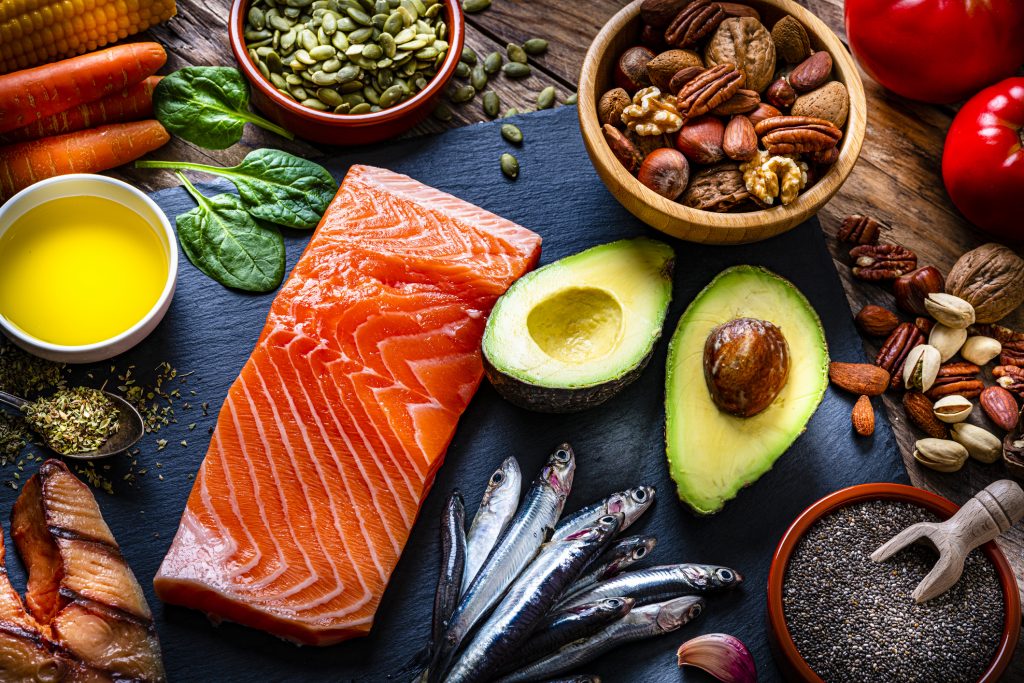
Consumption of the vitamin, through foods such as fish, avocados, nuts and seeds, was also strongly associated with stool frequency.
“We used genetics to build a roadmap of biological pathways that set the gut’s pace,” explained Cristian Diaz-Muñoz, PhD, from the Center for Cooperative Research in Biosciences in Bizkaia, Spain.
“What stood out was how strongly the data pointed to vitamin B1 metabolism, alongside established mechanisms like bile acids and nerve signaling.”
Diaz-Muñoz and team conducted a genome-wide association study meta-analysis of stool frequency and genetics in 268,606 people of European and East Asian ancestry.
This revealed that stool frequency was partially heritable at a level that was broadly similar in the two groups, at 7.0% with European heritage and 5.6% with East-Asian heritage.
The study also uncovered shared genetic architecture with gastrointestinal (GI), psychiatric disorders, and cardiovascular traits.
The results implicated neuropsychiatric and cardiovascular pathways, neuropeptide and ion channel signaling, and bile acid biosynthesis in the regulation of intestinal transit.
It also identified a previously unrecognized role for vitamin B1 metabolism in gut motility, highlighting a potential area for nutritional or pharmacological intervention.
The investigation identified 21 genomic regions influencing bowel movement frequency, 10 of which had not previously been reported.
Two newly implicated loci were fine mapped to single causative variants linked with how thiamine is transported and activated in the body.
These were SLC35F3, which codes a transporter regulating thiamine intracellular trafficking and availability, and XPR1, which codes for an exporter of inorganic phosphate essential for the conversion of vitamin B1 into its active form.
A further analysis involving 98, 449 participants in the UK Biobank, showed that high vitamin B1 consumption was significantly and positively associated with stool frequency, with a combined SLC35F3/XPR1 genotype score significantly impacting this.
“While thiamine is mainly obtained from the diet, future research may explore whether targeted nutritional interventions, such as thiamine supplementation, can alleviate disordered gut motility and IBS symptoms in genetically susceptible individuals, thereby supporting a personalized approach to disease management,” the researchers concluded.
