


In the world of high-performance nutrition and preventative health, fish oil is frequently cited as a “must-have” supplement. Yet, despite its popularity, there remains significant confusion regarding the logistics of its use.
Many people invest in high-quality Omega-3 supplements only to see suboptimal results because they overlook one critical factor: when to take fish oil.
Supplement timing is not merely a matter of convenience; it is a matter of biological availability. Because the active components of fish oil—Eicosapentaenoic Acid (EPA) and Docosahexaenoic Acid (DHA)—are lipid-based, their absorption is governed by the digestive system’s ability to process fats.
Taking your capsules at the wrong time or on an empty stomach can lead to wasted nutrients and unpleasant side effects like “fishy burps” or acid reflux.
Whether you are a bodybuilder looking to crush inflammation, a senior protecting cognitive function, or someone managing high triglycerides, understanding the science of absorption is essential.
This 2026 pillar guide will deconstruct the research behind when to take fish oil supplements, comparing morning vs. night protocols, the impact of intermittent fasting, and how to align your intake with specific fitness goals for maximum efficacy.
When Is the Best Time to Take Fish Oil?
For the vast majority of people, the best time to take fish oil is whenever you eat your meal with the highest fat content. Because Omega-3s are fat-soluble, they require the presence of other fats to trigger the release of digestive enzymes and bile, which break down the oil for absorption.
- Preferred Timing: Most people find that taking fish oil with dinner or a large lunch is most effective.
- Morning vs. Night: Neither is inherently superior for the “clock” time, but evening doses are often better for reducing the risk of acid reflux or fishy aftertastes.
- Consistency: The total concentration of EPA/DHA in your red blood cells is more important than the exact hour you take it. Focus on a time you can consistently remember every day.
How Fish Oil Is Absorbed (Why Timing Matters)
To understand when is the best time of day to take fish oil, you must first understand how your body processes lipids. Unlike water-soluble vitamins (such as Vitamin C or the B-complex), fish oil does not simply dissolve in the stomach and enter the bloodstream.
The Role of Dietary Fat
Omega-3 fatty acids are fat-soluble. To absorb them, your gallbladder must release bile, and your pancreas must secrete lipase enzymes.
These digestive “juices” are only released in significant quantities when you ingest dietary fat. Studies have shown that taking fish oil with a low-fat meal (or no meal at all) can reduce the absorption of EPA and DHA by as much as 300% to 400%.
EPA vs. DHA Absorption Nuances
While both EPA and DHA require fat for transport, some research suggests that DHA may be slightly more sensitive to the presence of other lipids.
By ensuring your best time to take a fish oil supplement aligns with a meal containing healthy fats—such as eggs, avocado, olive oil, or nuts—you ensure that the maximum amount of the “good stuff” actually makes it into your cells rather than passing through your digestive tract unutilized.
When to Take Fish Oil — Morning or Night?
The debate over when to take fish oil, morning or nightt is one of the most common discussions in nutrition forums. The reality is that both have specific advantages depending on your lifestyle and digestive tolerance.
Pros of Morning Intake
Many people prefer taking fish oil in the morning as part of their routine.
- Routine Building: It is often easier to remember supplements during breakfast.
- Energy and Focus: Some users report that the anti-inflammatory effects help them feel more “focused” as they start their day, though this is largely anecdotal.
- Caution: If your breakfast is just a piece of dry toast or a black coffee, avoid taking fish oil then, as the lack of fat will hinder absorption.
Pros of Evening Intake
Taking your fish oil morning or evening can change your side-effect profile.
- Reducing Reflux: For those prone to “fishy burps,” taking the supplement with dinner or shortly before bed can be more comfortable. Since you are likely to be in a more relaxed state or sleeping shortly after, the oil has time to process without causing upward gas or reflux.
- Sleep Quality: Emerging research suggests that Omega-3s may support the production of melatonin. Taking fish oil in the evening might contribute to a better night’s rest.
Best Time of Day to Take Fish Oil (Science-Backed)
When we look for the best time of day to take fish oil through the lens of clinical research, “consistency” and “meal timing” consistently outrank “clock time.”
Consistency Over Clock Time
Research from the National Institutes of Health (NIH) emphasizes that Omega-3 levels build up in the body over weeks and months.
Your “Omega-3 Index”—the percentage of EPA and DHA in your red blood cell membranes—is a long-term metric. Missing a morning dose and taking it at night is far better than skipping it entirely.
Avoiding the Empty Stomach
If you take fish oil supplements on an empty stomach, you significantly increase the risk of gastrointestinal (GI) distress.
Clinical observations suggest that the most common cause of people quitting their fish oil regimen is the nausea associated with taking it without food. Therefore, the best time to take omega-3 is always “at the same time as your largest meal.”
When to Take Fish Oil Supplements, Pills, Capsules & Tablets
Not all fish oil is created equal, and the delivery method can influence when is the best time is to take omega-3 fish oil.
Pills and Softgel Capsules
Standard softgels are the most common form. Because the oil is encapsulated, there is a slight delay in release.
Taking these mid-meal ensures they are “sandwiched” between food, which helps the oil mix thoroughly with digestive enzymes as the capsule dissolves.
Liquid Fish Oil
Liquid fish oil is absorbed more rapidly because it doesn’t have a gelatin shell to break down. However, it is also the most prone to oxidation.
If you take liquid oil, the best time to take fish oil vitamins is immediately after pouring, and ideally, stirred into a fat-containing liquid like whole milk or a smoothie to mask the taste and aid absorption.
Enteric-Coated Tablets
Some tablets are “enteric-coated,” meaning they are designed to pass through the stomach and dissolve in the small intestine.
This is specifically intended to prevent fishy burps. For these, timing is less sensitive regarding reflux, but the fat-solubility rule still applies for optimal absorption.
When to Take Fish Oil With Food (Before or After Meals?)

As we have established, the presence of lipids is the “key” that unlocks the benefits of Omega-3s. However, many users wonder about the specific sequence: should you take it before, during, or after you eat?
The “Sandwich” Method
The most effective way to ensure the best time to take omega-3 before or after a meal is actually during the meal. By taking your capsules mid-meal, you allow the fish oil to be thoroughly mixed with the bolus of food.
This “sandwiching” effect minimizes the chance of the oil sitting on top of the stomach contents, which is the primary cause of acid reflux and fishy aftertastes.
Does Milk Aid Absorption?
A common question is: Can I take fish oil with milk? The answer is yes. If you are in a rush and cannot eat a full meal, a glass of whole milk provides enough fat (8 mg per cup) to trigger the necessary digestive enzymes. However, skim milk or fat-free alternatives will not provide the same benefit.
When to Take Fish Oil if You Practice Intermittent Fasting
Intermittent fasting (IF) has become a global health phenomenon, but it presents a logistical challenge for fat-soluble supplements.
When to take fish oil during intermittent fasting protocols depends on whether you prioritize absorption or the “purity” of your fast.
Does Fish Oil Break a Fast?
Technically, fish oil is a calorie-dense fat (9 calories per gram). A standard 1,000 mg capsule contains approximately 9–10 calories. While this is unlikely to spike insulin or “break” a fast in terms of weight loss, it may interfere with autophagy (cellular cleaning).
The Fasting-Friendly Strategy
To get the most out of your supplement, you should never take fish oil during your fasting window. Not only does it risk breaking the fast, but the lack of food ensures poor absorption and a high likelihood of nausea.
The best time to take fish oil for IF practitioners is during your first large meal (breaking the fast) or your final meal of the day.
When to Take Fish Oil for Bodybuilding & Gym Performance
In the fitness community, Omega-3s are prized for their ability to manage systemic inflammation and support joint longevity. If you are an athlete, the best time to take fish oil for bodybuilding is centered around recovery rather than immediate “pre-workout” energy.
Pre-Workout vs. Post-Workout
- Pre-Workout: There is little evidence that fish oil provides an acute performance boost. Furthermore, taking oil right before a heavy leg day or intense cardio can lead to “heavy stomach” and indigestion during your sets.
- Post-Workout: This is the preferred window. Intense weight lifting creates micro-trauma and an acute inflammatory response. By taking your fish oil tablets for gym recovery with your post-workout meal, you provide the “anti-inflammatory building blocks” your body needs to begin the repair process.
Rest Days Matter
Bodybuilding isn’t just about training days. On rest days, your body is doing the heavy lifting of muscle repair. Maintaining a consistent when to take fish oil during rest days ensures that your cellular Omega-3 levels remain high enough to suppress chronic soreness (DOMS).
When to Take Fish Oil for Weight Loss
For those on a fat-loss journey, Omega-3s can assist with insulin sensitivity and appetite regulation. However, the best time to take omega-3 for weight loss is often tied to satiety.
Appetite Management
Some studies suggest that taking fish oil with a high-protein breakfast can help you feel fuller for longer. If you find yourself snacking mid-morning, try moving your fish oil intake to your earliest meal.
The healthy fats can signal the release of cholecystokinin (CCK), a hormone that tells your brain you are satisfied.
Fat Metabolism
While fish oil isn’t a “thermogenic” fat burner, it helps keep your metabolism “flexible.” Taking your dose with your largest meal of the day ensures that your body is effectively using those fats to support metabolic health rather than simply storing them.
Can I Take Fish Oil Before Bed or at Night?
If your daytime schedule is too hectic to remember your supplements, you might wonder: Can I take fish oil at night? Sleep and Reflux Considerations
For many, taking fish oil before bed is a game-changer for digestive comfort. If you struggle with the taste of the oil during the day, taking it before sleep allows the majority of the digestion to happen while you are unconscious.
- The Reflux Warning: If you suffer from GERD or severe acid reflux, do not take fish oil and immediately lie flat. Ensure you take it at least 30 to 60 minutes before actually getting into bed to allow the capsules to move past the esophagus.
The Melatonin Connection
There is emerging evidence that DHA-rich fish oil may help the pineal gland release melatonin. This suggests that the best time to take fish oil for those with sleep issues could indeed be with dinner, providing both heart-health benefits and potential sleep support.
How Many Times a Day Should You Take Fish Oil?

If you are taking a high dose (e.g., 3,000 mg–4,000 mg for high triglycerides), should you take it all at once or spread it out?
Once vs. Split Dosing
- Low Dose 1,000 mg: A single daily dose with your largest meal is sufficient.
- High Dose 2,000 mg: It is often better to split the dose. Taking 1,500 mg at lunch and 1,500mg at dinner reduces the “fat load” on your gallbladder and ensures a more steady supply of Omega-3s to your cells throughout the day.
Recommended Timing & Dosage
For individuals over the age of 65, fish oil serves as a vital shield for cardiovascular health and cognitive preservation. However, as we age, our digestive efficiency—specifically the production of stomach acid and bile—can diminish, making the recommended dosage of fish oil more sensitive to timing.
Digestive Efficiency and Absorption
should prioritize taking fish oil with their most substantial meal, typically lunch or an early dinner.
Taking it too late in the evening may increase the risk of nocturnal acid reflux, which can be particularly bothersome for those on other medications.
Coordinating with Medications
Many take blood pressure medication or anticoagulants. While fish oil is generally safe, it does have a mild blood-thinning effect.
To minimize any theoretical interaction, many physicians recommend taking fish oil at a different time of day than prescription blood thinners, although the best time to take fish oil for heart health remains consistent: with food.
Is Fish Oil Safe During Pregnancy?
Pregnancy creates a massive demand for DHA to support the developing fetal brain and retina. When considering whether fish oil is good for pregnancy, the answer is a resounding yes, provided the timing and source are correct.
The DHA Window
The third trimester is when the fetus’s brain growth is at its peak. During this time, the mother’s DHA levels can drop significantly as the nutrient is “stripped” for the baby.
- If the smell of fish oil triggers nausea in the morning, the best time to take omega-3 is during the evening meal when morning sickness symptoms have usually subsided.
- Consistency: It is vital to maintain a steady daily intake rather than “loading” on specific days, as this ensures a constant supply of nutrients through the umbilical cord.
What Supplements Should Not Be Taken With Fish Oil?
While fish oil is a natural product, it is bioactive. This means it can interfere with or enhance the effects of other supplements. If you are asking what supplements should not be taken with fish oil, focus on the following categories:
Blood-Thinning Supplements
Avoid taking high-dose fish oil at the same time as other natural blood thinners, such as:
- Ginkgo Biloba
- High-dose Garlic extract
- Vitamin E (over 400 IU)
Taking these together can significantly increase your risk of easy bruising or prolonged bleeding from minor cuts.
Weight Loss Blockers (Orlistat)
If you are taking weight-loss medications like Orlistat (Alli), which are designed to block fat absorption, they will also block the absorption of your fish oil. You must separate these by at least 2 to 3 hours to ensure your Omega-3s aren’t simply flushed out of your system.
Fish Oil Side Effects & Timing Considerations (Mayo Clinic Guidance)
The fish oil side effects Mayo Clinic experts frequently highlight—nausea, loose stools, and “fishy burps”—are almost entirely preventable with proper timing.
Managing Gastrointestinal Upset
If you experience digestive distress, the Mayo Clinic suggests:
- Freeze Your Capsules: Taking frozen fish oil capsules slows down the breakdown process, allowing the pill to reach the lower intestine before releasing the oil, which eliminates “fish burps.”
- Split the Dose: Instead of 2,000 mg once, take 1,000 mg twice.
- Timing with Food: We cannot emphasize this enough; taking it on an empty stomach is the #1 cause of side effects.
Bleeding Risk and Surgery
If you have a scheduled surgery, the medical consensus is to stop fish oil 7 to 10 days prior. Even though fish oil is a “good” blood thinner for heart health, it can complicate surgical recovery by preventing proper clotting.
How Much Fish Oil Should I Take Daily?
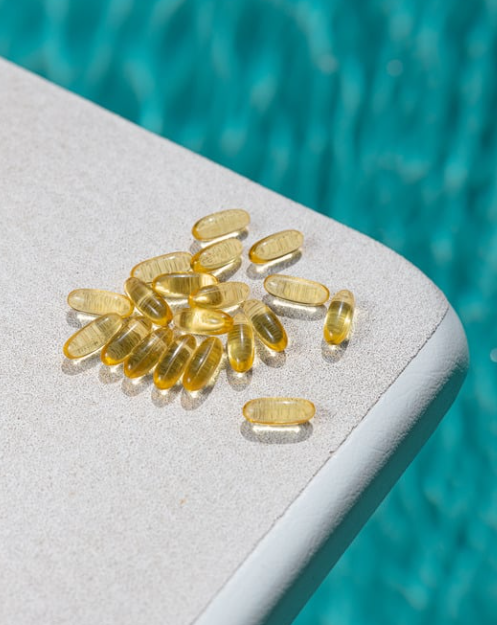
To ensure your timing is aligned with a safe quantity, refer to these 2026 general guidelines for daily maximum fish oil per day
- General Healthy Adult: 1,000 mg of combined EPA/DHA.
- Clinical Heart Support: 2,000 –4,000 mg (under doctor supervision).
- Upper Safe Limit: The FDA suggests that 3,000 mg of EPA/DHA per day from supplements is safe for the general population.
When Is the Best Time to Take Fish Oil?
The search for the “perfect” hour on the clock is a distraction from the fundamental rule of Omega-3 science: Absorption is driven by fat, and health is driven by consistency.
The best time of day to take fish oil is with your largest, highest-fat meal. Whether that happens at 8:00 AM or 8:00 PM is less important than ensuring your body has the digestive tools (bile and lipase) ready to transport those precious Omega-3s into your cells.
If you are a bodybuilder, aim for post-workout meals. If you are pregnant, aim for the meal where you feel the least nauseous.
And if you are simply looking for longevity, pick a meal you never skip. By anchoring your fish oil to a consistent, fat-rich meal, you transform a simple supplement into a powerful, bioavailable tool for lifelong health.
Frequently Asked Questions
What is the best time to take fish oil?
The best time is during a meal that contains healthy fats, such as dinner. This triggers the digestive enzymes necessary to absorb the Omega-3s and prevents “fishy burps.”
When to take omega-3 supplements, morning or night?
Neither is inherently better for absorption, but night may be better if you experience acid reflux during the day. Morning is fine if your breakfast contains enough fat.
Can I take fish oil on an empty stomach?
No. Taking fish oil on an empty stomach significantly reduces absorption and is the leading cause of nausea and fishy aftertastes.
Can I take fish oil before bed?
Yes, taking fish oil before bed (ideally with a small snack or after dinner) is a great way to avoid side effects and may even support better sleep quality.
Best time to take omega-3 before or after a meal?
The absolute best time is during the meal. This “sandwiches” the oil with food, ensuring it mixes thoroughly with digestive enzymes for maximum bioavailability.
Conclusion
Determining when to take fish oil is the final piece of the puzzle in optimizing your nutritional strategy. As we have explored throughout this guide, the “best” time is less about the position of the sun and more about the contents of your stomach.
Because Omega-3 fatty acids are fat-soluble, anchoring your supplement to a meal rich in healthy lipids is the single most effective way to guarantee that the EPA and DHA are absorbed into your bloodstream rather than wasted.
Whether you choose a morning or night protocol depends largely on your personal digestion and lifestyle. If you are a morning person who enjoys a hearty breakfast, an AM dose is perfect for establishing a routine.
If you suffer from “fishy burps” or acid reflux, shifting your intake to your evening meal or shortly before bed can provide a more comfortable experience.
Ultimately, the most important factor is consistency. The cardiovascular, cognitive, and anti-inflammatory benefits of fish oil are cumulative, requiring weeks of steady intake to fully saturate your cellular membranes.
By aligning your dose with a consistent meal, managing your supplement interactions, and following the safety guidelines provided by organizations like the Mayo Clinic, you can turn fish oil into a highly effective tool for long-term health and performance.
Authoritative References
1. National Institutes of Health (NIH) – Omega-3 Fatty Acids Fact Sheet for Professionals
2. Mayo Clinic – Fish Oil Supplements: Timing and Safety
3. Harvard Health Publishing – Omega-3 Fatty Acids and the Heart
4. Cleveland Clinic – The Best Way to Absorb Omega-3s
5. American Heart Association (AHA) – Science Advisory on Omega-3 Supplements
