

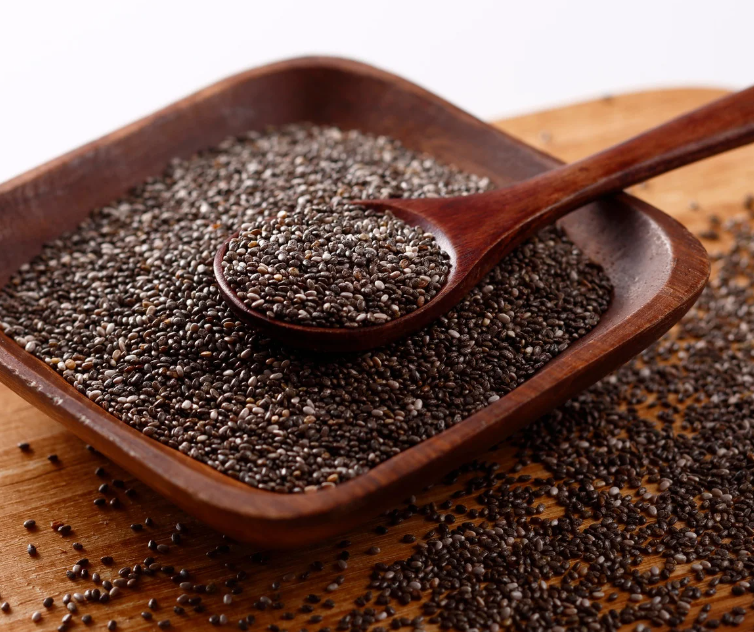
In the world of superfoods, few tiny ingredients pack as much punch as the chia seed. These ancient seeds, once a staple for Aztec and Mayan warriors, have made a massive comeback in modern nutrition.
However, as their popularity has soared, so has the confusion surrounding their preparation. Many people find themselves asking, how to eat chia seeds in a way that is not only delicious but also safe and effective for health goals like weight loss or improved digestion.
The unique characteristic of chia seeds is their hydrophilic nature—the ability to absorb up to 12 times their weight in liquid.
This property is exactly why knowing how to eat chia seeds properly is critical. Eaten correctly, they are a fiber-rich powerhouse that can transform your gut health and energy levels. Eaten incorrectly, they can lead to digestive discomfort or even physical safety risks.
Whether you are a seasoned “clean eater” or a beginner looking to incorporate more plant-based protein into your diet, this comprehensive 2026 guide will walk you through everything you need to know.
From the science of soaking to the best breakfast recipes, we will explore the most effective ways to make these seeds a permanent, healthy fixture in your kitchen.
What Are Chia Seeds & Why Are They Good for You?
Before diving into the “how,” we must understand the “why.” Are chia seeds good for health? The nutritional profile of these seeds is staggering when you consider their size.
Just two tablespoons contain approximately 11 grams of fiber, 4 grams of protein, and a significant dose of Alpha-Linolenic Acid (ALA), the plant-based form of Omega-3 fatty acids.
Key Health Benefits of Chia Seeds
- Digestive Regularity: The high insoluble fiber content adds bulk to stool, while the soluble fiber acts as a prebiotic to feed healthy gut bacteria.
- Heart Health: Omega-3s are known to support healthy cholesterol levels and reduce systemic inflammation.
- Blood Sugar Regulation: The gel-like consistency chia seeds form in the stomach slows down the conversion of carbohydrates into sugar, preventing insulin spikes.
- Bone Density: They are a surprising source of calcium, phosphorus, and magnesium, all essential for skeletal strength.
- Antioxidant Power: Chia seeds are rich in chlorogenic acid, caffeic acid, and quercetin, which help combat oxidative stress in the body.
By learning how to eat chia seeds daily, you are essentially providing your body with a concentrated toolkit for long-term wellness and metabolic stability.
What Is the Best Way to Eat Chia Seeds?
If you are looking for the “gold standard” of consumption, the best way to eat chia seeds is to soak them in a liquid before ingestion. While the seeds are technically edible in several forms, the soaking process maximizes both safety and nutrient bioavailability.
Soaked vs. Raw
When you soak chia seeds, they undergo a physical transformation, developing a mucilaginous (gel-like) outer coating.
This “pre-digests” the fiber, making it much gentler on your gastrointestinal tract. Furthermore, soaking helps neutralize phytic acid—an “anti-nutrient” found in many seeds that can interfere with the absorption of minerals like calcium and zinc.
Why Liquid Matters
To properly eat chia seeds, you must respect their thirst. If you consume them dry, they will seek out moisture inside your body, potentially leading to dehydration or blockages in the digestive tract.
By providing the liquid beforehand, you ensure the seeds are fully expanded before they ever reach your stomach.
How to Prepare Chia Seeds to Eat
Learning how to prepare chia seeds to eat is a simple skill that, once mastered, opens the door to hundreds of recipes. The goal is to create “chia gel,” which can be used as a base for puddings or a thickener for smoothies.
The Ideal Water Ratio
For a standard gel consistency, use a 1:6 ratio. This means approximately 1.5 tablespoons of chia seeds to 1 cup of liquid (water, juice, or milk).
Preparation:
- Measure: Place your chia seeds in a glass jar or bowl.
- Pour: Add your liquid of choice.
- The Critical Stir: This is the most important step. After pouring the liquid, stir vigorously for at least 60 seconds. If you don’t, the seeds will clump together, and the centers will remain dry.
- Wait and Repeat: Let the mixture sit for 5 minutes, then stir once more to break up any remaining clumps.
- Set: For the best results, let the mixture sit in the refrigerator for at least 30 minutes, though soaking chia seeds overnight provides the smoothest, most pudding-like texture.
Storage Tips
Prepared chia gel can be kept in an airtight container in the refrigerator for up to 5–7 days, making it an excellent option for meal prepping.
Can You Eat Chia Seeds Raw?
A common point of confusion is whether you eat chia seeds raw. The answer is a cautious “yes,” but with significant caveats regarding how you do it.
The Risks of Dry Consumption
There have been documented medical cases where individuals consumed dry chia seeds followed by a small amount of water, leading to the seeds expanding in the esophagus and causing a blockage.
This is a legitimate choking hazard, especially for those with existing swallowing difficulties (dysphagia).
When Raw Is Okay
Eating chia seeds “raw” is generally safe when they are used as a garnish in small quantities on foods that already contain moisture. For example:
- Sprinkled on a salad with dressing.
- Mixed into a thick Greek yogurt.
- Baked into bread or muffins (where they absorb moisture from the batter).
Who Should Avoid Raw Seeds
If you have a history of esophageal strictures, slow digestion (gastroparesis), or inflammatory bowel disease (IBD), you should strictly stick to soaked chia seeds to avoid the risk of irritation or obstruction.
How to Eat Chia Seeds Safely
While they are a “superfood,” there are dangers of chia seeds if they are consumed recklessly. Understanding how to eat chia seeds safely involves respecting their physical properties and your own medical history.
Choking Risks
As mentioned, never ingest a dry spoonful of chia seeds. Always ensure they are either pre-soaked or thoroughly incorporated into a moist food source.
Digestive Adjustment Period
Because chia seeds are incredibly high in fiber, introducing them too quickly can lead to bloating, gas, and abdominal cramps.
If your body isn’t used to high fiber, start with a teaspoon and work your way up to a tablespoon over the course of two weeks. Are there any harmful effects of consuming chia for a prolonged time? Generally, no, provided you maintain high water intake. Without extra water, the high fiber can actually lead to constipation rather than relieving it.
Medication Interactions
Chia seeds can naturally lower blood pressure and thin the blood slightly. If you are on blood pressure medication or anticoagulants (like Warfarin), consult your doctor before making chia seeds a daily habit, as they may enhance the effects of your medication.
How Many Chia Seeds to Eat Per Day?
Determining how many chia seeds to eat daily is a balance between reaping the benefits and avoiding digestive overload. While there is no strict “maximum” for healthy adults, clinical observations suggest a sweet spot for most individuals.
- For Beginners: Start with 1 teaspoon (about 5 grams) per day. This allows your gut microbiome to adjust to the sudden influx of prebiotic fiber.
- For Regular Users: The standard recommendation is 2 tablespoons (about 20–25 grams) daily. This amount provides roughly 10 grams of fiber, meeting a significant portion of your daily requirement.
- Is it safe to eat chia seeds every day? Yes, provided you are consistent with your hydration. For every tablespoon of chia seeds you consume, aim to drink an additional 8 ounces of water to facilitate the movement of fiber through the intestines.
How to Eat Chia Seeds for Weight Loss
The most searched variation of this topic is how to eat chia seeds to lose weight. Chia seeds are not a “fat burner” in the thermogenic sense; rather, they are a satiety tool that manages the hormones responsible for hunger.
The Role of Satiety and Fiber
The secret to weight loss with chia seeds lies in their ability to expand. When you consume soaked chia seeds, the gel occupies significant volume in the stomach, signaling to the brain via the vagus nerve that you are full.
This can significantly reduce the “grazing” habit between meals.
Best Timing for Weight Management
- The Pre-Meal Strategy: Drink a glass of “chia water” (1 tablespoon of seeds in 12 ounces of water with a splash of lemon) about 20 minutes before lunch or dinner. This “pre-fills” the stomach, leading to natural portion control during the meal.
- Morning vs. Night: Eating chia seeds for breakfast is generally superior for weight loss. It stabilizes blood sugar early in the day, preventing the afternoon energy crashes that lead to sugar cravings.
How to Eat Chia Seeds on Keto
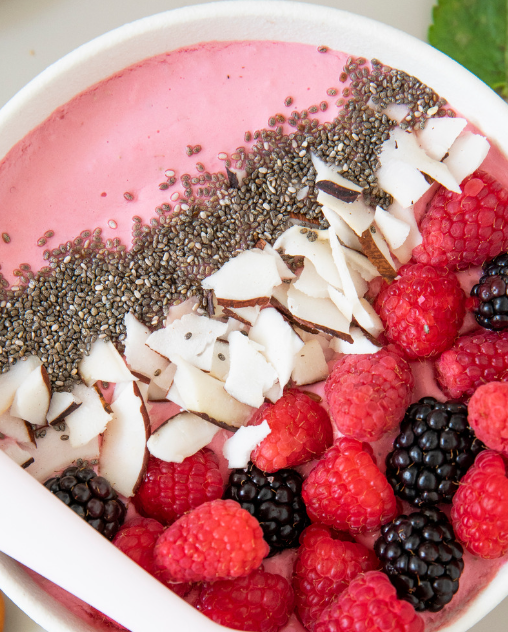
For those on a ketogenic or low-carb diet, chia seeds are a “holy grail” ingredient. Many keto followers struggle with fiber intake, and learning how to eat chia seeds on keto solves two problems at once: texture and regularity.
Understanding Net Carbs
While chia seeds contain carbohydrates, almost all of them are fiber.
- Total Carbs: ~12g per 2 tablespoons.
- Fiber: ~11g.
- Net Carbs: ~1g. This makes them one of the most keto-friendly foods on the planet, allowing for high nutrient density without knocking you out of ketosis.
Keto-Friendly Applications
Since keto diets exclude traditional thickeners like cornstarch or flour, chia seeds act as a natural binding agent. You can use ground chia seeds to “bread” chicken or thicken keto-friendly stews and gravies.
How to Eat Chia Seeds for Specific Health Goals
Beyond general wellness, chia seeds are often used as a functional food to address specific medical or physical concerns.
For Constipation
If you are learning how to eat chia seeds for constipation, the “wet method” is non-negotiable. Dry chia seeds will only exacerbate the blockage. To stimulate a bowel movement, soak 2 tablespoons of seeds in warm water for 15 minutes. The warm liquid combined with the soluble fiber creates a “broom” effect in the colon, gently encouraging peristalsis.
For Cholesterol
To lower LDL (bad) cholesterol, the Omega-3 (ALA) content is key. Studies suggest that the fiber in chia seeds binds to bile salts (which are made of cholesterol) in the digestive tract and carries them out of the body as waste.
For this goal, consistency is more important than timing; ensure you are hitting the 2-tablespoon daily mark.
For Skin Health
The benefits of chia seeds for skin come from their high antioxidant and Omega-3 profile. These nutrients help strengthen the skin barrier and reduce the inflammation associated with acne or eczema.
To maximize this, many users mix chia seeds into morning smoothies alongside Vitamin C-rich fruits like strawberries, as Vitamin C helps the body process the amino acids found in the seeds.
How to Eat Chia Seeds with Water
The “Internal Shower” trend on social media brought how to eat chia seeds with water to the mainstream. While the name is hyperbolic, the method is effective for hydration and detoxification.
The Standard Chia Water Recipe:
- Fill a large glass with 12–16 ounces of filtered water.
- Add 1–1.5 tablespoons of chia seeds.
- Add the juice of half a lemon (the acidity helps cut through the gel texture).
- Optional: A pinch of sea salt for electrolytes.
- The Stir: Stir and let sit for 10–15 minutes until the water has a slightly viscous texture.
Mistakes to Avoid:
Do not chug the mixture instantly. Sip it slowly over 15 minutes. This gives the fiber time to begin its work without overwhelming your system.
How to Eat Chia Seeds with Yogurt, Milk & Oatmeal
If you find the texture of “chia water” unappealing, mixing it with creamy bases is a much more palatable way to enjoy it.
With Yogurt
Learning how to eat chia seeds in yogurt is the easiest entry point for beginners. Because yogurt is thick, you can stir in “raw” seeds and let them sit for just 5 minutes.
The seeds will soften slightly but retain a satisfying “crunch” similar to poppy seeds. Use a ratio of 1 tablespoon of seeds per 6 ounces of Greek yogurt.
With Oatmeal and Porridge
When adding chia seeds to oatmeal, add them during the last two minutes of cooking. If you add them at the beginning, they may absorb too much of the cooking liquid, leaving your oats dry. If you prefer overnight oats, the chia seeds should be added at the start of the soaking process to ensure they are fully plump by morning.
How to Eat Chia Seeds for Breakfast
Breakfast is arguably the most effective time to consume these seeds because of their ability to provide sustained energy release.
If you are wondering how to eat chia seeds for breakfast, the goal is to pair them with complex carbohydrates and proteins to create a “time-release” effect for your blood sugar.
The Power of Chia Pudding
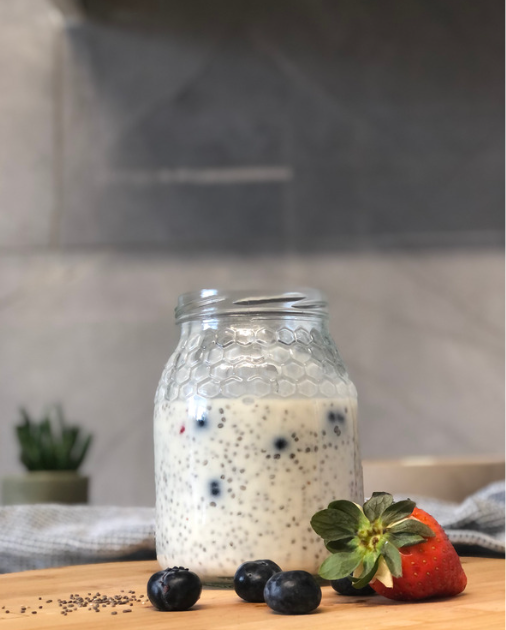
Chia pudding is the most popular breakfast application. By mixing 3 tablespoons of chia seeds with 1 cup of almond or coconut milk and a touch of honey, you create a base that mimics the texture of tapioca.
This can be made the night before, saving you time during a busy morning.
Smoothies and Shakes
For those who dislike the gel texture, smoothies are the answer. Adding a tablespoon of chia seeds to a high-speed blender with spinach, protein powder, and frozen fruit breaks the seeds down slightly.
This allows you to absorb the nutrients without dealing with the “slimy” mouthfeel that some find off-putting.
How to Eat Chia Seeds and Flax Seeds Together
Health enthusiasts often want to combine the benefits of multiple superfoods. Learning how to eat chia seeds and flax seeds together is an excellent way to diversify your Omega-3 and lignan intake.
Nutritional Synergy
While both seeds are high in fiber and Omega-3s, flax seeds are higher in lignans (antioxidants that support hormonal balance), while chia seeds provide superior calcium and fiber. Combining them creates a more complete nutritional profile.
Preparation Differences
- The Grind: Unlike chia seeds, which can be digested whole, flax seeds must be ground to be absorbed. Your body cannot break the tough outer shell of a flaxseed, and it will simply pass through your system.
- The Ratio: A common blend is a 1:1 ratio. Mix ground flax and whole chia seeds into your morning oats or yogurt.
- The Water Factor: Because both seeds are highly absorbent, you must double your water intake when combining them to prevent digestive “traffic jams.”
How to Eat Chia Seeds with Salad & Meals
You don’t have to limit chia seeds to sweet dishes. Knowing how to eat chia seeds with salad and savory meals is a great way to sneak extra fiber into your lunch and dinner.
The “Dry Sprinkle” Method
While we generally recommend soaking, salads are one of the few places where a dry sprinkle is effective. Because salads are usually dressed with oil and vinegar, and contain water-heavy vegetables like cucumbers and tomatoes, the seeds will find enough moisture to begin softening without clumping. It adds a pleasant, nutty crunch to your greens.
Savory Thickeners
You can use chia seeds as a gluten-free thickener for soups, stews, and gravies. Simply stir in a tablespoon of ground or whole seeds toward the end of the cooking process. They will thicken the liquid within minutes without altering the flavor profile of your dish.
How to Eat Chia Seeds – Chew or Swallow?
A frequent, albeit technical, question is: how to eat chia seeds, chew or swallow? Does the mechanical act of chewing matter for these tiny seeds?
Digestion of the Seed
Unlike flax seeds, the outer shell of a chia seed is thin enough that human digestive enzymes can break it down even if you swallow it whole. Therefore, you do not need to chew them to get the nutritional benefits.
Chewing vs. Soaked Gel
- Soaked: When seeds are fully gelled, they are very slippery. Most people find they naturally swallow them without much chewing.
- Raw/Dry: If you are eating them dry (on a salad, for instance), chewing can help break the shell faster, but it is not a requirement for nutrient absorption.
- Digestive Comfort: If you have a very sensitive stomach, using ground chia seeds (chia flour) is often the best choice, as it removes any work the stomach has to do to access the inner nutrients.
Chia Seeds Recipes (Easy & Beginner-Friendly)
If you are ready to start, here are three foundational chia seeds recipes that focus on simplicity and flavor.
1. The 5-Minute Breakfast Smoothie
- 1 cup frozen berries
- 1 scoop vanilla protein powder
- 1.5 cups unsweetened almond milk
- 1 tablespoon chia seeds
- Instructions: Blend all ingredients on high for 60 seconds. Let sit for 2 minutes before drinking to allow the chia to thicken the texture slightly.
2. Basic Vanilla Chia Pudding
- 3 tbsp chia seeds
- 1 cup milk of choice
- 1 tsp vanilla extract
- 1 tbsp maple syrup
- Instructions: Whisk all ingredients in a mason jar. Shake well, let sit for 10 minutes, then shake again. Refrigerate for at least 4 hours.
3. Chia “Jam” for Toast
- 1 cup mashed raspberries or strawberries
- 1 tbsp chia seeds
- 1 tsp lemon juice
- Instructions: Mix the seeds into the mashed fruit. The chia will absorb the fruit juices and turn the mash into a spreadable jam consistency within 15 minutes—no boiling or pectin required.
Where to Buy Chia Seeds (Quality Tips)
Not all seeds are created equal. When looking for where to buy chia seeds, keep these quality indicators in mind:
- Color: You will see black and white seeds. There is no significant nutritional difference between the two; black seeds provide a slight aesthetic contrast, while white seeds blend better into light-colored foods like vanilla pudding. Avoid “brown” seeds, as these are often immature and won’t gel properly.
- Organic Certification: Since you eat the whole seed, opting for organic ensures you aren’t consuming pesticide residues.
- Whole vs. Ground: For most people, whole seeds are better because they have a longer shelf life (up to 2 years). Ground chia seeds (chia meal) can go rancid more quickly due to the exposed oils.
Long-Term Effects of Consuming Chia Seeds
Many people ask, are there any harmful effects of consuming chia for a prolonged time? When integrated correctly, the long-term effects are overwhelmingly positive.
Sustained Metabolic Health
Over months and years, the soluble fiber in chia seeds helps maintain a healthy “glycemic response.” This means your body becomes more efficient at processing sugars, which can reduce the long-term risk of Type 2 diabetes.
Weight Maintenance
Unlike fad diets, chia seeds assist in “lifestyle” weight management. Because they are so effective at controlling hunger, they help prevent the gradual weight creep that often happens with age.
Cardiovascular Protection
The consistent intake of Alpha-Linolenic Acid (ALA) helps keep arterial walls flexible and manages systemic inflammation. Long-term users often see a stabilization in their lipid profiles, specifically a healthier ratio of HDL to LDL cholesterol.
How to Eat Chia Seeds
The journey to mastering how to eat chia seeds is a simple shift from “dry” to “wet.” By respecting the seed’s incredible ability to absorb liquid, you unlock a world of digestive health, weight loss support, and heart-healthy nutrients.
The Right Way Summary:
- Start Small: Begin with 1 teaspoon and work up to 2 tablespoons.
- Hydrate First: Whenever possible, soak your seeds for 20 minutes before eating.
- Drink More: Add an extra glass of water to your day for every tablespoon of chia.
- Diversify: Move beyond water; try them in puddings, smoothies, and savory soups.
- Be Consistent: The benefits of Omega-3s and fiber are cumulative.
Chia seeds are not just a trend; they are one of nature’s most efficient delivery systems for essential nutrients.
Whether you are using them to bridge a fiber gap, lose a few pounds, or simply add a nutritional “insurance policy” to your breakfast, the science-backed methods outlined in this guide ensure you do so safely and effectively.
Frequently Asked Questions About Chia Seeds
To ensure you have total confidence in your nutritional journey, we have compiled the most frequent inquiries regarding the daily use and safety of these seeds.
Is it safe to eat chia seeds every day?
Yes, it is perfectly safe and highly recommended for most healthy adults to eat chia seeds every day. The key is to maintain a moderate portion (1–2 tablespoons) and ensure you are drinking plenty of water.
Daily consumption provides a consistent stream of fiber and Omega-3s, which helps stabilize your digestive rhythm and inflammatory markers.
What not to do when eating chia seeds?
The most important “red flag” is never swallowing dry chia seeds by the spoonful. Additionally, do not add chia seeds to a diet that is already extremely high in fiber without increasing your water intake, as this can lead to an “impaction” or severe constipation.
Lastly, avoid buying chia seeds in bulk if you cannot store them in a cool, dark place, as the healthy fats can eventually oxidize.
Can chia seeds be eaten raw?
As discussed, you can eat them raw, but only when they are integrated into moist foods. Sprinkle them on yogurt, oatmeal, or moist salads. Avoid eating them “bone dry” without any accompanying liquid or food, as this poses a significant risk to your esophagus.
What is the best way to eat chia seeds?
The best way to eat chia seeds is by soaking them for at least 20–30 minutes in a liquid (water, milk, or juice). This “blooming” process ensures the seeds are fully hydrated, making them easier to digest and more effective at keeping you full.
Conclusion
Understanding how to eat chia seeds is the definitive bridge between seeing them as a trendy health fad and utilizing them as a life-changing nutritional tool.
As we have explored in this 2026 guide, the power of the chia seed lies in its transformation. By respecting its hydrophilic nature and prioritizing the “soaking” method, you ensure that this superfood works with your body rather than against it.
Whether your primary goal is weight loss, managing constipation, or simply boosting your daily intake of Omega-3 fatty acids, the key is a combination of preparation and patience.
Start with small doses, prioritize hydration, and don’t be afraid to experiment with textures—from the smooth consistency of an overnight chia pudding to the subtle crunch of a seed-topped salad.
When you eat chia seeds the right way, you aren’t just adding fiber to your diet; you are investing in sustained energy, metabolic stability, and long-term digestive wellness.
Make these tiny powerhouses a consistent part of your morning routine, and let the science of slow-release nutrition fuel your day.
Authoritative References
1. Harvard T.H. Chan School of Public Health – Chia Seeds Nutrition Profile
2. National Institutes of Health (NIH) – Chia Seeds: A Comprehensive Review
3. Mayo Clinic – Chia Seeds: Do They Help with Weight Loss?
4. Cleveland Clinic – The Digestive and Heart Benefits of Chia Seeds
5. Academy of Nutrition and Dietetics – The Benefits of Chia Seeds
