

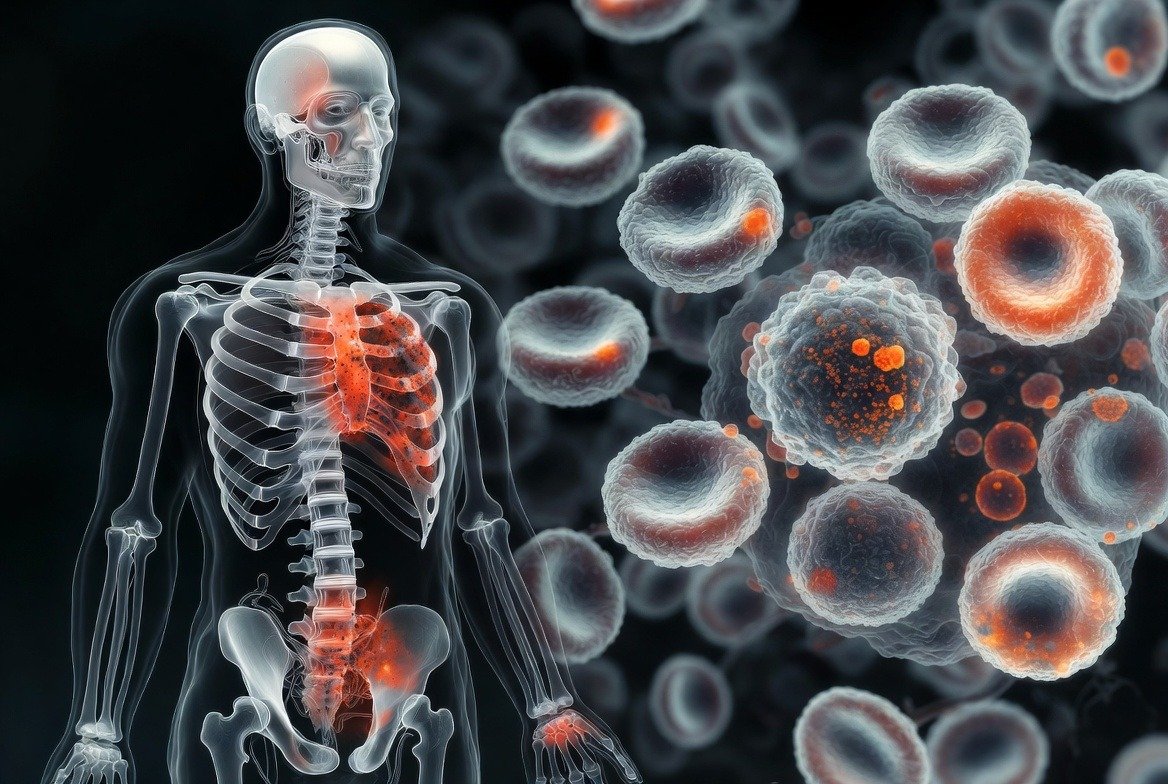
Imagine trying to navigate a complex, unfamiliar city without a GPS. You might eventually find your destination, but you would likely waste time, fuel, and energy on wrong turns. For decades, treating cancer felt exactly like that.
Doctors often relied on “one-size-fits-all” protocols, hoping the standard treatment would work for everyone. But cancer is personal. Your biology is unique.
Therefore, your treatment should be too. This is where Precision Cancer Mapping changes the game entirely. It acts as that high-tech GPS for your body.
By analyzing the specific genetic and molecular makeup of a tumor, precision oncology cancer strategies allow doctors to see the unique “roadmap” of a patient’s disease.
We are moving away from guessing and toward knowing. In this guide, we will explore how precision oncology mapping explained simply can empower you to make smarter, data-driven health decisions.
What Does Mapping Mean in Cancer Treatment?
You might hear the term “mapping” and think of geography. In oncology, it is surprisingly similar. What does mapping mean in cancer treatment?
It refers to the process of creating a detailed, multi-dimensional picture of cancer cells. We don’t just look at the tumor under a microscope anymore. Instead, we look inside the cells.
We analyze the DNA, RNA, proteins, and the environment surrounding the tumor. This creates a “map” of mutations and biological pathways driving the cancer’s growth.
A tumor precision mapping test identifies the specific “drivers” or engine parts keeping the tumor running.
Once we identify these drivers, we can often find drugs designed to turn them off. Consequently, this approach saves patients from treatments that might not work and directs them toward therapies that attack their specific cancer type.
Mapping vs Traditional Diagnostics
To understand the value, we must compare the old way with the new way.
- Traditional Diagnostics: Think of this as a standard photograph. A biopsy confirms cancer is present. It tells us the type (e.g., breast cancer) and the grade (how fast it grows). However, it rarely tells us why it is growing.
- Precision Cancer Mapping: This is like a molecular blueprint. A cancer genome mapping test looks for typos in the DNA code.
Precision cancer mapping vs traditional biopsy is not necessarily an “either/or” choice; they often work together. The biopsy provides the tissue.
The mapping provides the intelligence. Standard pathology sees the “what.” Advanced cancer tissue mapping sees the “how.”
Furthermore, traditional methods might miss rare mutations.
A clinical precision tumor mapping report can reveal hidden targets for therapy that a standard stain would never show.
Whether you are looking for a targeted cancer mutation mapping service or a general consultation, understanding this difference is vital.
It shifts the focus from “what is the cancer called?” to “what is driving this specific cancer?”
Ultimately, a molecular cancer mapping service provides the actionable data needed for modern medicine.
How Precision Cancer Mapping Works (Step-by-Step)
Understanding how precision cancer mapping works removes the fear of the unknown.
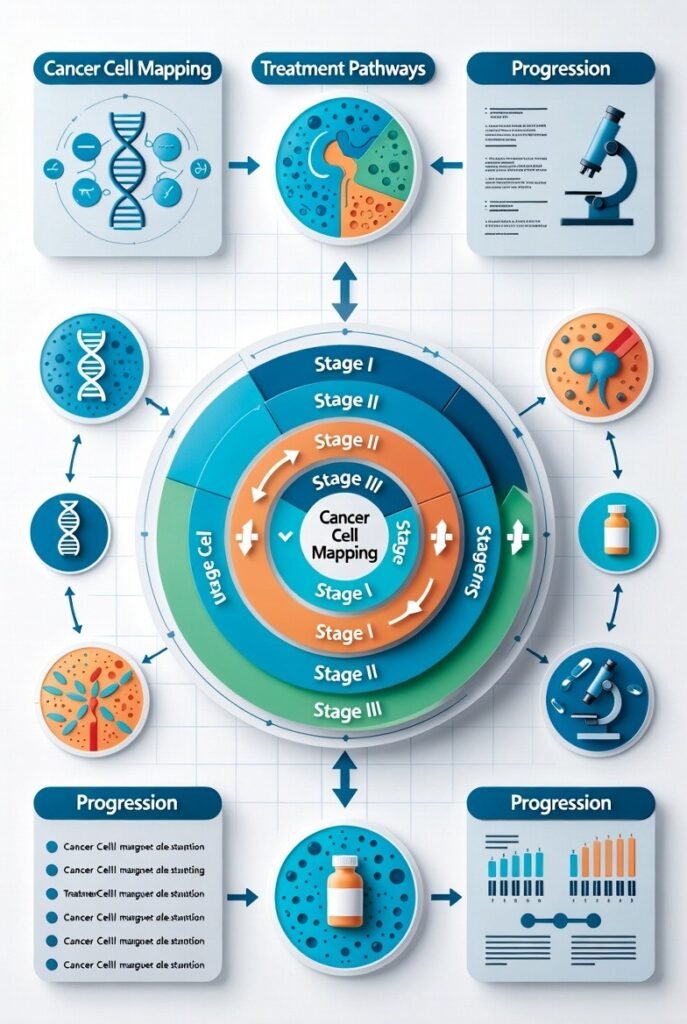
It is a highly technical process, but for the patient, it usually follows a straightforward path. Here is the step-by-step breakdown of the journey from sample to solution.
Sample Collection
First, we need biological material. This usually happens via a biopsy (taking a small piece of tissue). However, technology is advancing.
We can now sometimes use blood samples, known as liquid biopsy precision mapping cancer tests. These look for fragments of tumor DNA floating in the blood stream.
Genomic Sequencing
Next, the lab extracts DNA and RNA from the sample.
They run it through next generation sequencing cancer mapping machines.
These machines read millions of lines of genetic code rapidly. They are looking for anomalies—spelling errors in the genetic instruction manual.
AI Analysis
A human cannot analyze this much data alone.
Therefore, we use computer algorithms. Cancer mutation detection mapping service providers use powerful software to compare your tumor’s genes against reference maps of “normal” human genomes. The software highlights the differences.
Treatment Matching
Finally, the findings are matched to therapies. A report is generated.
If you search for a “precision tumor DNA mapping test near me,” you are essentially looking for a lab that can perform this matching process.
The goal is to connect a specific mutation (the lock) with a specific drug (the key).
This cycle—from precision cancer biomarker mapping test to treatment plan—can take anywhere from a few days to a few weeks, depending on the complexity of the test.
Core Technologies Behind Precision Cancer Mapping
This revolution relies on three main pillars of technology. Without these, cancer genomics for cancer treatment would remain a theory rather than a reality.
Genomics and Multi-Omics
Genomics is the study of genes. But we don’t stop there.
We now look at “multi-omics.” This implies we look at the genome (DNA), the transcriptome (RNA), and the proteome (proteins).
A multi omics cancer mapping platform integrates all these layers. Why is this important?
Because sometimes DNA has a mutation, but the protein is still normal. Or vice versa.
Single cell cancer mapping technology allows researchers to look at individual cells within a tumor.
Since tumors are often a mix of different cell types, this granularity is crucial. It prevents the “dominant” cells from hiding the rarer, perhaps more dangerous, cells.
AI and Machine Learning
The data generated by a single patient is massive.
It is measured in terabytes. AI powered precision cancer mapping is the only way to process this efficiently.
Machine learning tumor mapping oncology tools learn from every patient. They recognize patterns that humans might miss.
For instance, AI cancer mapping for treatment prediction can analyze thousands of past cases to predict how a current patient might respond to a specific drug.
It acts as a super-powered research assistant for your oncologist.
Spatial and 3D Tumor Visualization
Tumors are not flat; they are 3D structures. They have a geography. 3D tumor mapping technology allows us to see where immune cells are located relative to cancer cells.
Spatial biology cancer mapping technology is a cutting-edge field. It answers questions like: “Are the immune cells penetrating the tumor, or are they stuck on the outside?”
A tumor microenvironment precision mapping test can reveal if a tumor is “cold” (ignoring the immune system) or “hot” (under attack). This heavily influences whether immunotherapy will work.
Digital & Cloud Platforms
All this data needs a home. Precision oncology data mapping software stores and organizes the information securely.
Doctors use cloud based cancer mapping analysis to collaborate across the globe.
A specialist in New York can review the advanced bioinformatics cancer mapping data of a patient in London instantly. This digital infrastructure democratizes access to expert opinions.
Precision Cancer Mapping for Treatment Planning
Once the mapping is complete, your medical team gains a powerful asset. Doctors use precision cancer mapping for treatment planning to eliminate guesswork. This data acts like a customized manual for your specific case.
Every tumor has unique vulnerabilities. Therefore, a personalized cancer treatment mapping analysis identifies which drugs will likely work. It also shows which ones will probably fail. This saves you from unnecessary toxicity.
Oncology teams use these maps for more than just drug selection. For example, precision mapping for immunotherapy eligibility is now standard for many clinics.
Immunotherapy helps your immune system fight back. However, it only works if specific biomarkers are present.
Furthermore, cancer mapping for chemotherapy optimization helps determine the most effective dose. We want the highest impact with the lowest side effects.
Similarly, tumor mapping for radiation therapy planning allows for incredible accuracy.
In lung cases, radiation therapy lung tumor mapping ensures the beam hits the cancer. It avoids healthy lung tissue. This is also true for radiation therapy tumour mapping in other sensitive areas.
Using precision oncology mapping for drug selection is the gold standard today. In fact, cancer mapping to predict treatment response helps us pivot quickly.
If the map suggests a low response, we change the plan immediately. This keeps you ahead of the disease.
What is Precision Therapy for Cancer?
You might wonder, what is precision therapy for cancer exactly? It is the logical partner to mapping. If mapping is the diagnostic tool, precision therapy is the active treatment.
This approach uses medicines that target specific molecular changes. Traditional chemotherapy kills all fast-growing cells.
Conversely, precision therapy targets only the bad ones. It looks for the “glitch” identified in your genetic panels for cancer treatment.
A personalized oncology mapping treatment guide helps your doctor pick these “smart bombs.” For instance, some drugs block signals that tell cancer cells to grow. Others might fix the DNA repair systems within the cell.
Consequently, patients often experience better outcomes. They also report fewer systemic side effects compared to older methods. It represents a total shift in how we view recovery.
The 62-Day Rule for Cancer — Why Early Mapping Matters
Time is everything in oncology. You may have heard of the “62-day rule.” So, what is the 62 day rule for cancer? This concept originated in the UK’s NHS. It sets a goal for treatment.
The rule states that treatment should begin within 62 days of an urgent referral. While this is a policy elsewhere, the principle applies globally. Speed saves lives.
Using Precision Cancer Mapping early in this window is vital. It speeds up the transition from “suspected cancer” to “active treatment.” We don’t want to waste weeks on ineffective trials.
Therefore, precision cancer mapping survival benefits are most visible here. By getting the right data early, we meet these critical deadlines.
In many cases, the precision cancer mapping success rate increases when we act fast. Early mapping ensures we don’t miss our best window for a cure.
Benefits and Risks of Precision Cancer Mapping
Like any medical tool, we must weigh the pros and cons. As a physician, I believe the benefits of precision cancer mapping far outweigh the downsides. However, you should know both sides.
Benefits of the Mapping Approach
First, we must ask: is precision cancer mapping accurate? Yes, it is the most accurate diagnostic tool we have. It allows for precision cancer mapping for early cancer detection biomarkers.
Another benefit is precision cancer mapping for immunotherapy response prediction. This prevents patients from spending months on expensive drugs that won’t help.
Most importantly, it offers hope. It finds options for patients who have failed standard treatments. It turns “untreatable” cases into “manageable” ones through targeted data.
Risks and Limitations
There are some risks of precision cancer mapping testing. For example, a biopsy is invasive. It carries a small risk of infection or bleeding. Furthermore, some tests may find “variants of uncertain significance.” This means we found a mutation, but we don’t know what it does yet.
Also, cost can be a barrier. Not all insurance plans cover every test. Finally, there is the risk of “no actionable targets.” Sometimes, the map doesn’t show a clear path yet.
So, who needs precision cancer mapping? Generally, anyone with a new diagnosis or a cancer that has returned. It is especially vital for stage 4 or rare cancers.
Cancer Types That Benefit Most from Precision Mapping
People often ask, which cancer has the highest survival rate? Usually, it is those caught early. But precision mapping is changing the survival rates for even the toughest types.
Breast and Lung Cancer
In the US, breast cancer precision mapping is common. We look for HER2 or BRCA mutations. Similarly, lung cancer tumor precision mapping is now essential.
We look for EGFR or ALK changes. These maps dictate which pills you take at home.
Prostate and Colorectal Cancer
For men, prostate cancer genomic mapping helps decide between surgery or “watchful waiting.”
In the digestive tract, colorectal cancer mutation mapping identifies if you will respond to certain biologics. It prevents “trial and error” medicine.
Rare and Hard-to-Treat Cancers
Pancreatic cancer precision tumor mapping is a literal lifesaver. This cancer is aggressive, so we need a map immediately.
Likewise, liver cancer genomic precision mapping helps us choose between localized or systemic therapy.
In the reproductive system, ovarian cancer tumor mapping precision analysis identifies candidates for PARP inhibitors.
For the brain, brain cancer precision mapping diagnostics help surgeons know where the tumor ends and healthy tissue begins.
Skin and Blood Cancers
Melanoma tumor precision mapping revolutionized skin cancer treatment. We look for the BRAF mutation.
For blood, leukemia precision genomic cancer mapping allows for “targeted” liquid therapies. This often avoids the need for a bone marrow transplant.
Every cancer type now has a mapping protocol. Whether it is a solid tumor or a blood-based disease, the data stays the same. The more we know, the better we treat.
Precision Cancer Mapping in Clinical Trials and Research
Science never sleeps. Currently, precision cancer mapping clinical trials are happening in every major city. These studies push the boundaries of what we thought was possible. Researchers want to know how tumors change over time.
In many oncology tumor mapping research studies, scientists track a tumor’s evolution. They use spatial tumor mapping cancer research to see how cells migrate. This helps us understand why some cancers spread while others stay put.
Furthermore, precision oncology biomarker mapping research helps us find new targets. A few years ago, we only knew a handful of mutations. Today, we know thousands. Consequently, genomic cancer mapping research programs are essential for drug development.
Many patients join precision cancer mapping university research projects. These programs often provide access to the newest tests for free. However, you must meet specific criteria. Clinical validation precision tumor mapping ensures these tests are safe for the public.
We are also seeing experimental precision cancer mapping methods like “digital twins.” In this case, doctors create a computer model of your tumor. They test drugs on the model before giving them to you. This is the heart of cancer mapping translational research.
Finally, oncology precision mapping innovation research explores how to map the immune system itself. We want to see why some “soldier” cells ignore cancer. If we map that failure, we can fix it.
Cost, Access, and Availability of Precision Cancer Mapping
We must address the elephant in the room. High-tech medicine is often expensive. Therefore, understanding the precision cancer mapping test cost is vital for your budget.
Prices vary wildly. A basic precision cancer mapping service price might start at $2,000. However, complex multi-omics tests can exceed $10,000. You should always ask for a cancer mapping lab testing services quote upfront.
Factors Affecting Price
The precision tumor mapping lab services cost depends on the depth of the scan. Are they looking at 50 genes or 500? Also, a precision cancer mapping consultation cost includes the doctor’s time to explain the results.
Does insurance help? Yes, usually. Oncology mapping test insurance coverage has improved significantly in the last three years.
Medicare and many private insurers now cover these tests for advanced cancers. However, they may deny coverage for early-stage cases. Always check with your provider first.
Where to Get the Best Care
If you are searching for where to get precision cancer mapping, start with NCI-designated cancer centers. These precision cancer mapping hospitals have the best equipment.
You can also find best precision oncology mapping centers in major metropolitan areas. Many precision cancer mapping oncology clinics now offer these services as standard care. Furthermore, cancer mapping diagnostic labs like Foundation Medicine or Guardant Health process these samples daily.
Always ensure you use certified precision cancer mapping providers. Accuracy is everything. A mistake in the lab can lead to the wrong treatment plan.
Global Availability of Precision Cancer Mapping
Access to this technology is not equal across the globe. However, it is expanding. Precision oncology mapping services USA lead the world in volume and variety.
In Europe, precision cancer mapping services Europe are often integrated into national health systems. Countries like Germany and France have robust genomic programs.
Meanwhile, precision cancer mapping in Asia hospitals is booming. Cities like Seoul, Tokyo, and Singapore are now global hubs for biotech. They often use private precision cancer mapping clinics to serve international patients.
If you live in a rural area, you can still access this. Many top precision oncology diagnostic companies offer “mail-in” kits. Your local doctor takes the biopsy, and you ship it to a central lab.
Commercial Services and Testing Options
The “consumerization” of health is here. You can now order precision cancer mapping test online through certain provider portals. These precision cancer mapping diagnostic companies streamline the process.
Many precision oncology mapping service providers focus on the patient experience. They offer apps to track your results. You can even buy cancer genomic mapping test kit options for certain hereditary risks.
If you want a premium experience, look for private precision cancer mapping packages. These often include a dedicated genetic counselor. They help you navigate the complex data.
Advanced Use Cases and Future Innovations
What is the best precision cancer mapping test for personalized therapy? It depends on your stage. For instance, advanced precision oncology mapping for stage 4 cancer is a necessity. It finds the “hail mary” options that save lives.
We also use most accurate tumor mutation mapping diagnostic test protocols for rare diseases. If only 100 people have your cancer, there is no “standard” treatment. Mapping is your only guide.
AI and High-Tech Solutions
In the future, AI tumor mapping for targeted cancer drug selection will happen in seconds. We won’t wait weeks for a report. Hospitals are already offering precision cancer genome mapping test options that use real-time data.
We are also moving toward a full body cancer molecular mapping precision diagnostic. Imagine a single scan that finds every cancer cell in your body and identifies its DNA. This would change everything.
Doctors are learning how doctors use precision cancer mapping for treatment decisions through better visualization. We now use virtual reality to “walk through” a tumor map. This helps surgeons plan the perfect path.
Future of Precision Oncology Mapping Technology
The future is bright and data-driven. We are moving toward “real-time” mapping. Instead of one biopsy, we will use “wearables.” These devices might monitor your bloo
d for tumor DNA 24/7.
We are also seeing the rise of preventive oncology. We will map your “normal” cells to see if they are trending toward cancer. This allows us to stop the disease before it even starts.
Furthermore, AI predictive modeling will tell us how a tumor will mutate next year. We can then prescribe a drug to prevent that mutation. This “proactive” mapping is the next frontier.
FAQ Section (SEO Rich Snippets)
What is precision cancer mapping?
It is a diagnostic process that analyzes the genetic, molecular, and cellular details of a tumor. It creates a “roadmap” of the cancer’s unique mutations. This helps doctors choose the most effective, personalized treatments.
Is precision cancer mapping accurate?
Yes, it is highly accurate. It uses Next-Generation Sequencing (NGS) and AI to identify specific DNA “typos.” However, the accuracy depends on the quality of the tissue sample and the lab’s expertise.
Who needs precision cancer mapping?
Most oncologists recommend it for patients with metastatic (Stage 4) cancer, rare cancers, or cancers that have returned after treatment. It is also becoming more common for newly diagnosed patients to guide initial therapy.
What is precision therapy for cancer?
Precision therapy is treatment tailored to the specific genetic makeup of a person’s cancer. Unlike traditional chemotherapy, which attacks all fast-growing cells, precision therapy targets the specific “glitches” that allow cancer to grow.
What does mapping mean in cancer treatment?
In this context, mapping means identifying the spatial and molecular landscape of a tumor. It involves looking at DNA, RNA, proteins, and the surrounding environment to understand the tumor’s behavior and weaknesses.
Does insurance cover precision cancer mapping?
Most major insurance providers, including Medicare, cover genomic testing for advanced-stage solid tumors. However, coverage for early-stage cancer varies. Always get a prior authorization from your insurance company.
How long does a mapping test take?
The timeline usually ranges from 10 to 21 days. The lab needs time to process the tissue, sequence the DNA, and have specialists analyze the findings.
Final Verdict: Is Precision Cancer Mapping Worth It?
As a physician, my final verdict is clear: Precision Cancer Mapping is the most significant advancement in oncology this century. The old way of treating cancer was like using a sledgehammer. The new way is like using a laser.
While the precision cancer mapping test cost can be high, the “cost” of the wrong treatment is much higher. You save time.
You save your strength. Most importantly, you gain a fighting chance based on data, not guesses.
If you or a loved one is facing a diagnosis, ask your oncologist about a tumor precision mapping test. Demand to see the molecular blueprint of the disease. In the modern era, “knowing” is the first step toward “healing.”
We are no longer in the dark. With precision oncology mapping technology, we have the light we need to find the exit. It is time to use it. Precision Cancer Mapping is not just a tool; it is the future of survival.
References:
- ASCO (American Society of Clinical Oncology) — Precision Oncology Guidelines & Updates
- National Institutes of Health (NIH) / PMC — Next-Generation Sequencing in Cancer Diagnosis and Treatment
