

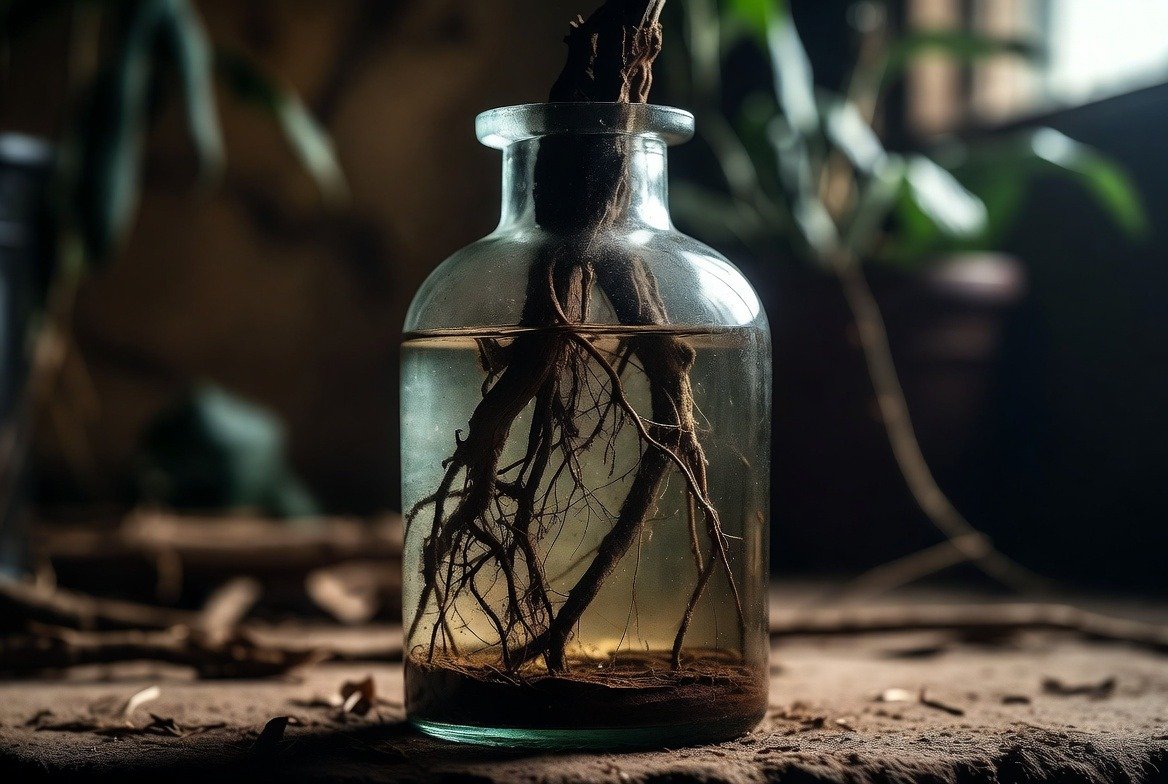
Have you ever looked at a historical painting and wondered how people maintained such thick hair?
Modern life is very stressful. Stress often leads to thinning hair. Many people today feel frustrated with chemical treatments.
Consequently, they are turning back to nature. An ancient root for hair regrowth might be the answer you need. These roots carry the wisdom of centuries.
Our ancestors did not have labs. However, they had a deep understanding of the earth. They used specific plants to heal and protect their bodies.
This guide explores those traditional secrets. We will bridge the gap between old folk medicine and modern science. Let’s discover how these powerful roots can support your journey toward a healthier and fuller scalp.
Why Ancient Roots are Making a Big Comeback
Hair loss is not a new problem. In fact, humans have fought thinning hair for thousands of years. Ancient civilizations viewed hair as a symbol of strength.
They also saw it as a sign of vitality. Because of this, they searched for the best natural solutions. Most people today focus on leaves or seeds. Yet, the roots are often the most potent part of the plant.
Roots act as the “brain” of the plant. They store vital nutrients and minerals. These concentrated compounds provide the plant with life.
When we extract these nutrients, we get powerful medicine. Modern ethnobotany is the study of how people use plants. Researchers in this field are finding amazing things. They are rediscovering roots that help hair grow.
Traditional healers knew how to prepare these remedies. They often boiled roots into teas. Sometimes they infused them into rich oils. These methods kept the scalp healthy. Today, we call this “scalp health” or the “microbiome.”
Ancient people just called it good care. Consequently, these remedies are trending again. People want clean, effective, and natural options.
This guide will show you exactly which roots to look for.
What Did Ancient People Use for Hair Growth?
Ancient healing systems were very sophisticated. They did not just treat the hair. They treated the whole person.
For instance, Ayurvedic medicine looks at internal balance. This balance reflects in your hair quality. Traditional Chinese Medicine (TCM) shares a similar view. They believe hair is an extension of the blood.
Egyptian Era Remedies
The Egyptians were masters of beauty. They used an ancient herbal root for hair growth to create thick wigs.
They also used these roots on their natural hair. Archaeologists found jars of hair ointments in tombs. These jars contained residues of castor oil and herbal roots. They believed these blends could stop baldness.
Ayurvedic Traditions
India has a rich history of hair care. Ayurveda uses many roots for scalp health. They believe a hot scalp causes hair loss.
Therefore, they use cooling roots to calm the skin. This tradition uses “Rasayana” herbs. These herbs promote longevity and rejuvenation. These roots are still popular in India today.
Chinese Medicine Roots
TCM uses roots to nourish the kidneys and liver. They believe these organs control hair health. If your “Qi” is low, your hair thins.
Famous roots like He Shou Wu come from this system. Legends say this root turned a gray-haired man’s hair black again. While we should be careful with legends, the science is interesting.
African and Middle Eastern Practices
In Africa, people used various desert roots. These plants survive in harsh sun. They develop strong antioxidants to protect themselves.
These same antioxidants help human hair. In the Middle East, licorice root was very common. It helped soothe the scalp and reduce redness. These tribal medicine uses are truly fascinating.
What Is the Egyptian Secret for Hair Growth?
Egyptians loved luxury and beauty. Their secret was often a blend of oils and roots. They used a specific ancient root oil for hair regrowth called “Cyperus.” This root comes from a type of sedge plant. They crushed the root to release its essence. Then, they mixed it with castor oil.
The Power of Castor Oil and Roots
Castor oil is very thick and rich. It carries herbal nutrients deep into the skin. Egyptians knew this instinctively. They would infuse roots into the oil for weeks. This created a potent scalp treatment. They applied this oil during daily rituals.
Ancient Scalp Massage Rituals
Massage was a vital part of their routine. It was not just about relaxation. They knew that rubbing the scalp increased blood flow. Increased blood flow brings more oxygen to the follicles. This “secret” is actually basic biology. They used these oils to lubricate the skin during massage. This prevented breakage and kept the hair shiny.
Oils versus Powders in Ancient Egypt
Sometimes, they used dried root powders. They would mix these with honey or water. This created a thick paste for bald spots. They would leave the paste on for hours. This method provided a concentrated dose of nutrients. It acted like a modern hair mask. These ancient beauty secrets still work well today.
Which Root Is Best for Hair Growth?
Choosing the right root can be confusing. Many options exist in the world. However, some roots stand out more than others. The best ancient root for hair regrowth depends on your specific needs. Let’s look at the top contenders from around the globe.

Bhringraj Root: The King of Hair
In Ayurveda, Bhringraj means “King of Hair.” This root is famous for its cooling properties. It helps reduce inflammation on the scalp. Many people use it to prevent premature graying. It also helps strengthen the hair shaft. This makes it a top choice for overall hair health.
Ginseng Root: The Energy Booster
Ginseng is a powerhouse in Chinese medicine. It is a well-known Chinese ancient root for hair restoration. It contains compounds called ginsenosides. These compounds stimulate the hair follicles. Research suggests ginseng can increase the number of cells in the scalp. This creates a better environment for new hair.
Fo-ti (He Shou Wu)
This is perhaps the most famous Chinese herb for hair. Its name translates to “Mr. He’s Black Hair.” It is known for its anti-aging properties.
It helps support the hair growth cycle. Many people take it as a supplement. However, always talk to a doctor first. High doses can sometimes affect the liver.
Licorice Root
Licorice is not just for candy. It is a soothing traditional root remedy for hair loss. It helps open the pores of the scalp. This allows nutrients to reach the follicles more easily. It also reduces irritation. If you have a dry or itchy scalp, licorice is excellent.
Nettle Root
Nettle is a common plant in the US and Europe. The root is great for blocking DHT. DHT is a hormone that causes hair to thin. By blocking DHT, nettle root protects the follicles. This makes it a popular natural alternative to some drugs.
Summary of Top Roots
| Root Name | Primary Benefit | Origin |
| Bhringraj | Strengthens and cools | India |
| Ginseng | Stimulates follicles | China |
| Fo-ti | Anti-aging and color | China |
| Licorice | Soothes the scalp | Middle East |
| Nettle | Blocks DHT | Europe |
The “Big 3” for Hair Regrowth (Modern + Ancient View)
To regrow hair, you need a plan. Experts often talk about the “Big 3.” This framework helps us understand how roots work. It combines ancient wisdom with modern science. You must address three main areas for success.
1. Hormone Balance (DHT Blocking)
Hormones play a huge role in hair loss. Specifically, DHT can shrink your hair follicles. An ancient root DHT blocking herb can help.
Nettle root and Saw Palmetto are great examples. They help keep your hormones in a healthy range. This stops the thinning process before it starts.
2. Blood Flow (Circulation)
Your hair needs food to grow. Blood carries this food to your scalp. An ancient root scalp circulation booster is essential.
Ginseng and Ginger are perfect for this. They make the scalp feel warm and tingly. This sensation means blood is moving. Better blood flow leads to faster growth.
3. Follicle Nutrition
Finally, you must feed the hair. Think of your follicles like tiny plants. They need specific vitamins and minerals.
An ancient root follicle stimulation remedy provides these. Roots like Ashwagandha help reduce stress. Stress-free follicles grow much better. When you combine all three, you get results.
50 Herbs for Hair Growth: Nature’s Full Pharmacy
Nature offers a vast pharmacy for our hair. In fact, many cultures used a huge list of herbs for hair growth. Let’s explore 50 powerful plants. We will focus mostly on roots. However, leaves and seeds also play a role.
Powerful Roots for Your Scalp
- Ginseng: This is a top ancient root for hair regrowth. It boosts cell count.
- He Shou Wu: This root nourishes the blood.
- Bhringraj: It is the “King of Hair” in India.
- Ashwagandha: This root lowers cortisol levels. Stress often causes thinning.
- Licorice: It helps open scalp pores.
- Nettle Root: This is a famous ancient root DHT blocking herb.
- Burdock Root: It contains essential fatty acids.
- Maca Root: This Andean root balances hormones.
- Marshmallow Root: It provides great “slip” for detangling.
- Dandelion Root: This root detoxifies the blood.
- Rhodiola: It helps the body handle physical stress.
- Ginger Root: This root increases local blood flow.
- Turmeric: It reduces scalp inflammation significantly.
- Valerian Root: It improves sleep. Better sleep means better hair.
- Sarsaparilla: This root helps with skin conditions like psoriasis.
Potent Leaves for Thickness
- Rosemary: Studies show it works like minoxidil.
- Peppermint: It provides a cooling sensation.
- Sage: This leaf helps darken gray hair.
- Aloe Vera: It balances the scalp’s pH level.
- Guava Leaves: These are rich in Vitamin B.
- Curry Leaves: They prevent premature graying.
- Neem: This is a powerful PMT herb for hair growth. It kills fungus.
- Brahmi: It thickens the hair strands.
- Hibiscus Leaves: These provide great conditioning.
- Tea Tree: It keeps the follicles clean.
Seeds and Flowers
- Fenugreek Seeds: These are rich in protein.
- Black Seed (Kalonji): This seed is a “cure for everything.”
- Flaxseeds: They provide Omega-3 fatty acids.
- Pumpkin Seeds: These are great for blocking DHT.
- Lavender: This flower reduces anxiety and stress.
- Calendula: It heals a dry, flaky scalp.
- Chamomile: It adds shine to light hair.
- Rose Petals: They soothe an angry scalp.
- Arnica: It improves hair follicle health.
Bark and Other Natural Gems
- Cinnamon: It stimulates the scalp’s circulation.
- Pygeum Bark: It helps with hormonal hair loss.
- Saw Palmetto: This is a heavy hitter for men.
- Witch Hazel: It removes excess scalp oil.
- Bamboo Extract: It is the highest source of silica.
- Horsetail: This herb strengthens hair and nails.
- Sawtooth Oak: It is used in traditional Asian medicine.
- Amla: This fruit is a Vitamin C powerhouse.
- Shikakai: It is a natural “hair fruit” for washing.
- Reishi Mushroom: It supports the immune system.
- Gotu Kola: It improves collagen production.
- Saw Palmetto: Another great DHT blocker.
- Slippery Elm: It protects the hair shaft.
- Clove: It has high antioxidant levels.
- Cassia: It is like “neutral henna” for strength.
- Henna: This adds a protective coating to hair.
Ancient Root Formulations & Delivery Methods
How do you actually use an ancient root extract for hair growth? The form matters a lot. For example, oils are great for dry scalps. Conversely, teas are better for oily hair. You must choose the right delivery method.
The Power of Oils
Many people prefer an ancient root hair repair solution in oil form. To make this, you infuse dried roots into a carrier oil. Coconut, olive, and jojoba oils are popular choices. The oil pulls the nutrients out of the root. Furthermore, it seals moisture into the hair. This method is very traditional in India and Egypt.
Potent Powders and Pastes
You can also use an ancient root powder for hair growth. These powders come from grinding dried roots. You mix the powder with water or yogurt. Then, you apply the paste to your scalp. This provides a very concentrated treatment. It acts like a deep-cleaning mask for your follicles.
Tonics and Extracts
An ancient root tonic for hair regrowth is usually water-based. You boil the roots to make a strong tea. Then, you spray it on your scalp daily. This method is very light. It does not make your hair look greasy. Therefore, it is perfect for daily use. Similarly, alcohol-based extracts are very shelf-stable.
How to Mix Herbs for Hair Growth: DIY Recipes
Creating an ancient root hair regrowth DIY recipe is fun. It also saves money. You can make a hair mask at home easily. First, gather your dried roots. Then, follow these simple traditional preparation steps.
The “Golden Root” Hair Mask Recipe
This mask uses turmeric and ginger roots.
- Ingredients: 1 tsp turmeric powder, 1 tsp ginger juice, 2 tbsp honey.
- Method: Mix into a smooth paste.
- Use: Apply to the scalp for 20 minutes.
- Benefit: This ancient root hair regrowth hair mask recipe boosts blood flow.
The Traditional Ayurvedic Oil Blend
This is a classic ancient root hair regrowth oil blend recipe.
- Ingredients: Dried Bhringraj root, Nettle root, and 1 cup of coconut oil.
- Method: Heat the oil and roots on low for two hours.
- Strain: Let it cool and strain the oil.
- Use: Massage into the scalp twice a week.
The Simple Herbal Tea Rinse
Try this ancient root hair regrowth tea rinse after shampooing.
- Ingredients: Dried licorice root and rosemary leaves.
- Method: Steep in boiling water for 30 minutes.
- Apply: Pour over your hair as a final rinse.
- Benefit: It balances the scalp’s pH and adds shine.
Hair Loss Types & Targeted Root Solutions
Not all hair loss is the same. For instance, ancient root for male hair loss often targets DHT. Conversely, women might need roots that balance estrogen. Let’s look at specific solutions for different people.
Roots for Men Over 30
Men often face androgenetic alopecia. This is driven by hormones. Therefore, they need an ancient root hair regrowth for men over 30 that blocks DHT. Saw palmetto and nettle root are the best choices here. They protect the follicles from hormonal damage.
Roots for Women Over 30
Women often experience thinning due to stress or age. Consequently, an ancient root for female hair thinning should focus on nutrition. Maca root and Ashwagandha are excellent. They help balance the endocrine system. This leads to thicker and stronger hair growth.
Postpartum and Hormonal Shifts
Having a baby is hard on the hair. Many women lose hair after giving birth. This is called postpartum hair loss. An ancient root for postpartum hair loss should be gentle. Nettle leaf and dandelion root help replenish minerals. They support the body during this big transition.
Stress and Alopecia Areata
Stress-induced hair loss is very common today. An ancient root for stress hair loss must calm the nervous system. Reishi mushroom and Rhodiola are perfect for this. They help your body adapt to high pressure. This keeps your hair in the growth phase longer.
How Ancient Roots Work Scientifically
You might wonder if these old remedies actually work. Modern science now provides very clear answers.
Researchers study the ancient root hair regrowth science explained in many journals. They find that these roots contain powerful bio-active compounds. These compounds interact with our hair follicles on a cellular level.
The Mechanism of Action
First, let’s talk about inflammation. Chronic inflammation is a silent hair killer. It shrinks follicles over time.
This process is called miniaturization. However, an ancient root for hair regrowth often acts as an anti-inflammatory. Roots like Turmeric and Ginger contain curcumin and gingerols.
These molecules calm the scalp environment. Consequently, follicles can breathe and grow again.
Boosting Blood Circulation
In addition, circulation is a key ancient root hair regrowth mechanism. Your hair follicles are tiny organs. They need oxygen and glucose to build keratin. Roots like Ginseng increase nitric oxide in the blood. This gas widens your blood vessels. Therefore, more nutrients reach the hair root. This is a proven way to support the natural hair cycle support.
Stem Cell Activation Theory
Believe it or not, some roots may trigger stem cells. Scientists are looking at ancient root stem cell activation theory. They believe certain compounds “wake up” dormant follicles.
For example, some extracts may stimulate the dermal papilla. This is the part of the follicle that controls growth. This ancient root follicle regeneration research is very exciting for the future.
Antioxidant Hair Formula
Free radicals damage your hair cells every day. Pollution and UV rays cause this stress. An ancient root antioxidant hair formula neutralizes these radicals.
Roots like Burdock and Sarsaparilla are rich in polyphenols. These act like a shield for your scalp. Furthermore, they support ancient root collagen hair support. This keeps the scalp skin elastic and strong.
Results, Timeline & Realistic Expectations
Everyone wants a “magic pill” for hair. However, biology moves at its own pace. You must understand the ancient root hair regrowth timeline results. Hair usually grows only half an inch per month. Therefore, patience is your best friend during this journey.
Month 1: The Foundation Phase
During the first month, you might not see new hair. Instead, you will notice better scalp health. Your scalp might feel less itchy or dry. This is the ancient root hair density enhancer starting its work. It is preparing the soil for the seeds.
Month 3: The Growth Phase
By month three, many people see an ancient root hair regrowth effectiveness rate increase. You might notice “baby hairs” along your hairline. These are new, fine hairs. In addition, your existing hair may feel thicker. This is the ancient root hair thickening herb effect.
Month 6 and Beyond: Visible Change
After six months, you can compare ancient root hair regrowth before and after photos. Most users see a significant difference in volume.
Furthermore, roots like He Shou Wu may provide a gray hair prevention remedy. This helps maintain your natural color longer. It truly acts as an ancient root hair aging reversal herb.
Safety, Dosage & Medical Perspective
As an MD, I must emphasize safety first. Even natural roots can have side effects. You should always follow an ancient root hair regrowth dosage guide. Taking too much of a supplement is never a good idea. It can strain your liver or kidneys.
The Safety Profile
Most topical roots have a very high ancient root hair regrowth safety profile. However, internal supplements are different.
For example, high doses of Fo-ti can be toxic to the liver. Therefore, always buy from trusted brands. Look for ancient root hair regrowth side effects like upset stomach or rashes. If these occur, stop use immediately.
Clinical Perspectives
What is the ancient root hair regrowth dermatologist opinion? Most doctors agree that scalp health is vital. They often recommend roots as a complementary treatment.
A trichologist review usually highlights the benefit of scalp massage with root oils. From a medical perspective, these roots are excellent for “Grade 1” or “Grade 2” hair loss.
Ancient Roots vs Modern Drugs
Many people ask about the difference between nature and chemistry. You might be looking for an ancient root hair regrowth natural alternative to minoxidil. Or perhaps an herbal alternative to finasteride. Both have pros and cons.
Benefits of Natural Roots
Ancient roots usually have fewer side effects. They nourish the whole body. For instance, they don’t cause the “dread shed” often seen with drugs. In addition, they are often cheaper in the long run. They provide a holistic approach to wellness.
Limitations to Consider
However, modern drugs often work faster. They are highly concentrated. Roots require more consistency and time.
If you have advanced balding, roots might not be enough. In those cases, a combination of both might be best. Always consult a professional before mixing treatments.
Buying Guide: Supplements, Quality & Authenticity
Not all products are created equal. You need a solid ancient root hair regrowth supplement buying guide. The market is full of cheap fillers. You must be a smart shopper to get real results.
Checking for Authenticity
First, always perform an ancient root hair regrowth authenticity check. Look for the botanical name on the label. For example, “Panax ginseng” is better than just “Ginseng.” Furthermore, check for ancient root hair regrowth ingredient transparency. The company should list every single ingredient.
Quality Certifications
Look for a quality certification like USP or NSF. These mean a third party tested the product. Also, prioritize ancient root hair regrowth organic sourcing. This ensures no pesticides are on the roots. Pesticides can actually cause more hair loss.
Brand and Price Comparison
Do an ancient root hair regrowth best brand comparison. Don’t just buy the cheapest option. A low ancient root hair regrowth price comparison often means low quality. Instead, look for value. Check for ancient root hair regrowth purity testing results on the brand’s website. This proves they care about your safety.
Long-Term Hair Wellness & Scalp Health
True hair beauty is not just about one product. It is about a complete hair wellness solution. You must treat your scalp like a garden. In fact, a healthy scalp microbiome is vital. This is the community of good bacteria on your skin. An ancient root for hair regrowth helps balance this community.
Supporting the Scalp Microbiome
Chemical shampoos often kill good bacteria. This leads to dryness and dandruff. However, roots like Burdock and Marshmallow are gentle. They provide prebiotics for your scalp. Prebiotics feed the good bacteria. This creates a strong barrier against infections. Consequently, your hair grows in a safer environment.
Nutrient Absorption Support
You can take many vitamins. But your body must absorb them. An ancient root nutrient absorption support helps here. Ginger and Black Pepper roots are great examples. They increase “bioavailability.” This means your body uses the nutrients more effectively. Therefore, your supplements work much better.
Immune Support and Hair Health
Sometimes, the immune system attacks hair follicles. This causes patchy hair loss. An ancient root immune support hair health remedy can help. Reishi and Astragalus roots balance the immune response. They help your body stay calm. This protects your follicles from “friendly fire.” It is a long-term strategy for success.
Detailed Glossary: Ancient Root Terminology
To be an expert, you should know the terms. Many people use different names for these plants. This can be very confusing. Here is a guide to the most common terms you will see online.
- Adaptogen: A root that helps your body manage stress. Examples include Ashwagandha and Maca.
- Decoction: A strong tea made by boiling roots. This is the best way to get nutrients from hard roots.
- DHT (Dihydrotestosterone): A hormone that causes follicles to shrink. Many roots aim to block this.
- Infusion: Soaking herbs in oil or water. This is usually for softer plant parts like leaves.
- Tincture: A concentrated liquid extract. It usually uses alcohol or glycerin to pull out medicine.
- Trichologist: A specialist who studies the hair and scalp. They often recommend these ancient roots.
- Anagen Phase: The active growth phase of hair. Roots aim to keep hair in this phase longer.
- Telogen Phase: The resting phase of hair. Stress often pushes hair into this phase too early.
Regional Secrets: Roots from Around the Globe
Different cultures found different solutions. Their choices depended on what grew nearby. However, the goal was always the same. They wanted thick, strong, and healthy hair.
The Asian Powerhouse: He Shou Wu
This is a legendary Chinese ancient root for hair restoration. It grows in the mountains of China. It is a “tonic” for the liver and kidneys.
In traditional medicine, these organs nourish the hair. People take it to keep their natural hair color.
Actually, it is a very popular supplement in the US today.
The Indian Treasure: Ashwagandha
Ashwagandha is an “adaptogen.” This means it helps you adapt to stress. Stress is a major cause of thinning hair.
By lowering cortisol, this root saves your hair. Furthermore, it improves sleep quality. Good sleep is essential for hair repair.
The European Guardian: Nettle Root
Stinging nettle grows everywhere in Europe. Most people avoid it because it stings. Yet, the root is a hidden gem.
It is a powerful ancient root DHT blocking herb. It is very effective for male pattern baldness. Many modern hair formulas include this root today.
The South American Energy: Maca Root
Maca comes from the high Andes mountains. It is famous for boosting energy. However, it also balances hormones. For women in menopause, this is very helpful. It helps maintain hair volume during hormonal shifts.
Step-by-Step: How to Use Ancient Roots at Home
Follow these instructions for the best results. We will focus on two popular methods. These are safe and easy for beginners.
Method 1: The Root Decoction (Hair Rinse)
- Select your root: Use dried Burdock or Licorice root.
- Measure: Use two tablespoons of dried root per cup of water.
- Boil: Place the roots and water in a small pot.
- Simmer: Let it simmer on low heat for 20 minutes.
- Cool: Allow the liquid to cool completely.
- Strain: Pour the liquid through a fine mesh strainer.
- Apply: Pour the liquid over your hair after shampooing.
- Wait: Leave it on for 5 minutes, then rinse with cool water.
Method 2: The Scalp Massage Oil
- Choose a carrier: Use 4 ounces of Jojoba or Coconut oil.
- Add roots: Put 1 tablespoon of dried Ginger and 1 tablespoon of Nettle root in a jar.
- Heat: Place the jar in a “water bath” on low heat for 2 hours.
- Infuse: Let the jar sit in a dark place for 24 hours.
- Strain: Remove the roots from the oil.
- Massage: Rub a small amount into your scalp for 10 minutes.
- Wash: Leave it on for an hour, then wash your hair normally.
FAQ: Your Questions Answered
Q: Which ancient root works fastest? A: Roots like Ginger and Ginseng work quickly for circulation. You might feel a tingle immediately. However, visible hair growth takes 3 to 6 months.
Q: Can roots regrow hair naturally? A: Yes, they can support the process. They work best if the follicle is still alive. If a spot has been bald for many years, it is much harder.
Q: Are ancient herbs safe long term? A: Most topical roots are very safe. However, always rotate your internal supplements. Do not take the same root for more than three months without a break.
Q: Can I combine multiple roots? A: Yes, many people make “blends.” For example, combining a DHT blocker with a circulation booster is very effective.
Q: Will these roots help with gray hair? A: Some roots, like He Shou Wu and Amla, are famous for this. They provide antioxidants that protect color-producing cells.
Q: Should I apply roots to wet or dry hair? A: For oils, dry hair is usually better. For water-based tonics and rinses, wet hair allows for better absorption.
The Verdict: Are Ancient Roots Worth It?
In the final analysis, an ancient root for hair regrowth is a powerful tool. It is not a “miracle cure” that works overnight. Yet, it offers a sustainable and natural path. Science is finally proving what our ancestors knew. These plants contain the building blocks for healthy hair.
If you are tired of harsh chemicals, give roots a try. Start with a simple scalp oil or tea rinse. Be consistent and patient. Most importantly, listen to your body. Combine these roots with a healthy diet and low stress. This holistic approach is the best way to see real change.
References:
1. Rosemary Oil vs. Minoxidil Comparison
2. Systematic Review of Saw Palmetto in Alopecia
3. Red Ginseng Extract and Follicle Stimulation
4. Molecular Mechanisms of Bhringraj (Eclipta alba)
5. Safety and Liver Warning (He Shou Wu)
