

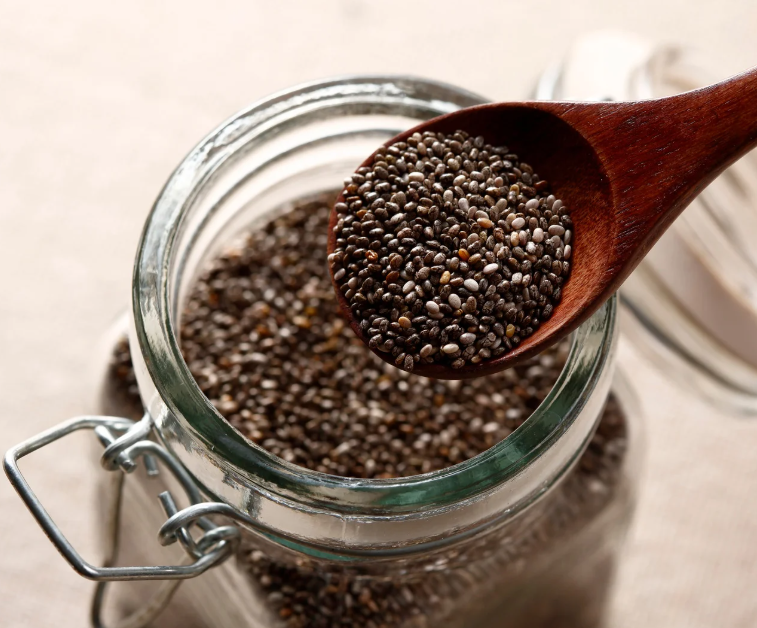
Chia seeds (Salvia hispanica) have ascended from ancient Aztec staples to the undisputed “king” of modern superfoods. However, despite their ubiquity in smoothie bowls and overnight oats, a fundamental question remains the subject of much debate in health communities: how long to soak chia seeds?
The mechanics of chia seed hydration are not merely about texture; they are about safety, nutrient bioavailability, and digestive comfort. When dry, a chia seed is a dormant powerhouse of fiber, Omega-3 fatty acids, and minerals.
When soaked, it transforms into a mucilaginous gel that can revolutionize your gut health and weight loss efforts.
If you are looking for the quick answer, Chia seeds typically need a minimum of 15 to 20 minutes to achieve a basic gel consistency in water. However, for the best results in terms of digestion and texture, soaking them for 2 hours or overnight (8–12 hours) is ideal.
In this comprehensive 2026 guide, we will explore the nuances of how long chia seeds need to soak across different liquids, the science behind why we soak them, and how to optimize your hydration times for specific health goals like weight loss and blood sugar management.
Do You Need to Soak Chia Seeds Before Eating?
A common point of confusion for beginners is whether you can simply toss these seeds into your food raw or if the soaking process is mandatory. The answer is nuanced: while you can eat them raw, soaking is widely considered the superior method for both safety and nutrition.
Raw vs. Soaked Chia Seeds
When you eat raw chia seeds, they enter your digestive tract in their hardened, dormant state. Because they are incredibly hydrophilic (water-loving), they will immediately begin to absorb moisture from your internal system.
If you haven’t consumed enough water alongside them, they can actually contribute to dehydration or cause a “brick” effect in the intestines, leading to constipation.
Digestive Risks of Dry Chia Seeds
The most significant risk of consuming dry chia seeds involves the esophagus. There have been documented medical cases where individuals swallowed a large spoonful of dry seeds followed by a small amount of water; the seeds expanded in the esophagus, causing a blockage.
When Soaking is Optional vs. Necessary
- Optional: If you are adding a small sprinkle (less than a teaspoon) to a very moist food like a large bowl of yogurt or a watery soup, the seeds will soak naturally in the dish.
- Necessary: If you are consuming them as a primary source of fiber, using them for weight loss drinks, or serving them to children or individuals with swallowing difficulties, soaking is mandatory.
How Long Should Chia Seeds Soak?
Understanding how long chia seeds should soak before eating requires looking at the “bloom” of the seed. The soaking process is essentially a way of “pre-digesting” the fiber and making the nutrients inside more accessible.
Minimum Soaking Time (15–20 Minutes)
If you are in a rush, 15 minutes is the threshold. Within this window, the outer shell of the seed begins to release its mucilaginous fiber, creating a thin gel. This is sufficient for “chia water” or adding to a smoothie you plan to drink immediately.
Ideal Soaking Time (2 Hours)
At the two-hour mark, the seeds have generally reached their maximum expansion. The gel is thick, stable, and has a consistent mouthfeel. This is the preferred timing for those who want a “tapioca-like” texture without waiting an entire day.
Overnight Soaking Benefits
For those asking how long it takes for chia seeds to soak for the best possible results, the answer is overnight (8–12 hours).
Overnight soaking allows the liquid to penetrate the core of the seed fully. This prolonged hydration makes the seeds exceptionally soft and easy on the digestive tract, which is particularly beneficial for those with sensitive stomachs or IBS.
Texture and Gel Formation
The resulting gel is not just a culinary byproduct; it is a concentrated form of soluble fiber. This gel slows down the conversion of carbohydrates into sugar, which is why the soaking duration directly impacts the seed’s ability to regulate blood sugar.
How Long to Soak Chia Seeds in Water
Water is the most common medium for hydration, especially for those following the “internal shower” or detox drink trends. Knowing how long to soak chia seeds in water before drinking is critical for both safety and effectiveness.
Cold Water vs. Hot Water
- Cold/Room Temperature Water: This is the standard method. It takes about 20 minutes for a basic gel and 2 hours for a full bloom.
- Hot Water: If you are short on time, using hot (but not boiling) water can accelerate the process. Hot water can produce a gel in as little as 5 to 10 minutes. However, some believe that extreme heat may slightly degrade the sensitive Omega-3 fatty acids, so lukewarm water is the best middle ground.
Drinking Soaked Chia Seeds Safely
When learning how long to soak chia seeds before drinking, consistency is your indicator. You should not see a “halo” of clear water around the seeds; the entire mixture should have a uniform, viscous texture. This ensures the seeds won’t expand further in your throat.
The Ideal Ratio
For a drinkable consistency, use a ratio of 1 tablespoon of chia seeds to 1 cup (8 oz) of water. For a thick gel (chia gel) to use in recipes, use 1 part chia to 4 parts water.
Frequently Asked Questions: Water Soaking
- Do you soak chia seeds in hot or cold water? Cold is best for nutrient preservation; hot is better for speed.
- What happens if I don’t soak chia seeds long enough? They may clump together in your stomach or cause temporary bloating as they continue to expand by drawing moisture from your gut.
How Long to Soak Chia Seeds in Milk & Plant-Based Milk
For many, the most palatable way to enjoy these seeds is through pudding. The choice of liquid significantly affects how long you have to soak chia seeds to reach a creamy consistency.
Dairy Milk vs. Plant-Based (Almond, Soy, Oat)
Plant-based milks, particularly almond and coconut milk, tend to be slightly thinner than dairy milk. Consequently, chia seeds may settle at the bottom more quickly.
- Almond/Soy/Oat Milk: These require a minimum of 2 hours, but they truly shine after an overnight soak.
- Dairy Milk: Due to the protein and fat content, the mixture feels “thicker” sooner, but 4 hours is recommended to ensure the seeds aren’t crunchy.
Best Soaking Times for Digestion
When soaking in milk, the seeds are often consumed in larger quantities (as a meal). Therefore, an overnight soak is strongly recommended. This gives the enzymes in the seeds time to begin breaking down, reducing the likelihood of gas or bloating.
How Long to Soak Chia Seeds in Yogurt
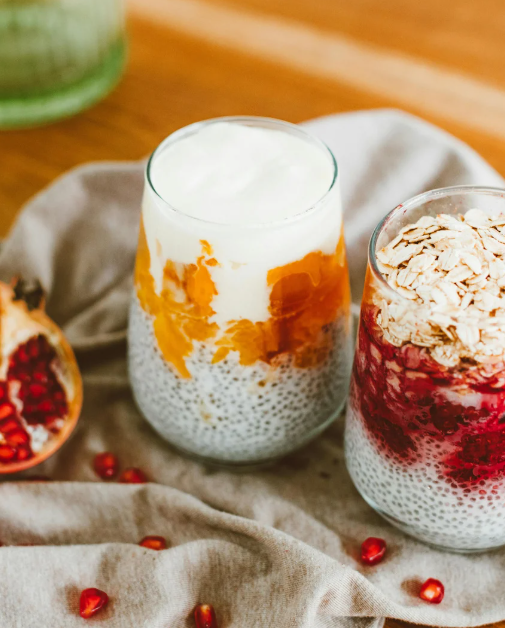
Learning how long to soak chia seeds in yogurt is slightly different because yogurt is already a semi-solid.
Regular Yogurt vs. Greek Yogurt
Greek yogurt is much thicker and has less “free water” than regular yogurt.
- Regular Yogurt: You can stir in seeds and eat them in about 30 minutes.
- Greek Yogurt: Because there is less moisture, the seeds take longer to soften. If you add dry seeds to Greek yogurt, let them sit for at least 2 hours, or add a splash of milk to facilitate the hydration.
Probiotic Synergy
Soaking chia seeds in yogurt is a “gut health power move.” The prebiotic fiber in the seeds feeds the probiotic bacteria in the yogurt. For this synergy to work effectively, a 4-hour soak allows the fiber to become “available” for the bacteria to begin interacting with.
How Long to Soak Chia Seeds for Weight Loss
The most popular reason for researching how long to soak chia seeds for weight loss is the management of “satiety.” Chia seeds are a tool for volume—they allow you to eat more physical mass for very few calories.
Appetite Control and Fiber Expansion
For weight loss, the goal is to ensure the seeds have reached their maximum volume before they enter your stomach. If you drink seeds that are only partially soaked, you miss out on the immediate “stretch” signal sent to your brain’s hunger centers.
- The Weight Loss Window: Soak your chia seeds for at least 30 to 60 minutes before consumption.
- The “Fullness” Mechanism: At this stage, the seeds have formed a heavy, viscous gel. When consumed, this gel moves slowly through the digestive tract, suppressing the hunger hormone ghrelin.
Best Soaking Time for Satiety
While 30 minutes is the minimum, overnight soaking benefits weight loss seekers the most. A fully hydrated seed provides a smoother, more palatable experience, making it easier to replace a high-calorie breakfast with a chia-based alternative.
How Long to Soak Chia Seeds for Smoothies & Pudding
Texture is the primary concern when discussing how long to soak chia seeds for pudding or smoothies. No one enjoys a “gritty” smoothie or a “crunchy” pudding.
Pre-Soaking vs. Blending Dry
Many people wonder if they can skip the soak by using a high-powered blender.
- Blending Dry: If you toss dry seeds into a smoothie and blend immediately, the blades will crack the seeds. You will still get the nutritional benefits, but the smoothie will thicken rapidly in your glass. If you don’t drink it within 5 minutes, it will become sludge.
- Pre-Soaking (The Professional Method): For a creamy, professional-grade consistency, soak your chia seeds in a 1:4 ratio with water for 15 minutes to create a “chia gel” before adding it to the blender. This ensures a perfectly smooth drink that doesn’t change texture while you’re drinking it.
Texture Outcomes for Pudding
For a classic chia pudding, the minimum soak is 4 hours, but overnight is the industry standard. An overnight soak eliminates the “seedling” texture, turning the mixture into a cohesive, custard-like dish.
How Long to Soak Chia Seeds Before Consuming or Drinking
When we talk about how long to soak chia seeds before consuming, we are moving into the realm of safety and digestive efficiency.
Safety Guidelines and Choking Risks
As mentioned in the introduction, the expansion of chia seeds is a physical force. To prevent any risk of the seeds expanding in the esophagus:
- Ensure the seeds are no longer “free-floating” in clear liquid.
- The liquid should be visibly thickened.
- The 20-Minute Rule: For drinking (like in “Chia Fresca”), never consume seeds that have been soaking for less than 20 minutes unless they are blended.
Gel Consistency Indicators
You know your seeds are ready when you stir them, and they move as a single, gelatinous mass rather than individual particles. If you see clumps of dry seeds, break them up with a whisk and wait another 10 minutes.
How Long to Soak Chia Seeds to Remove Phytic Acid
A more advanced nutritional concern is how long to soak chia seeds to remove phytic acid. Phytic acid is often called an “anti-nutrient” because it can bind to minerals like calcium, magnesium, and zinc, preventing your body from absorbing them.
Does Soaking Significantly Reduce Phytic Acid?
While soaking is a common way to reduce phytic acid in beans and grains, the evidence for chia seeds is slightly different. Chia seeds do contain phytic acid, but they also contain high levels of the enzyme phytase, which breaks it down.
- The Mineral Window: Soaking chia seeds for 2 to 4 hours is generally sufficient to initiate the enzyme activity that neutralizes phytic acid.
- Realistic Expectations: You don’t need to soak them for days. A simple overnight soak is more than enough to ensure you are getting the maximum mineral benefit from the seeds.
How Long to Soak Chia Seeds Overnight
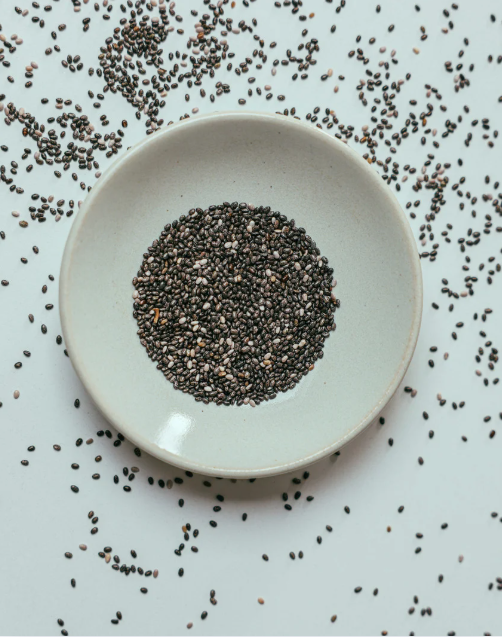
For most health enthusiasts, how long to soak chia seeds overnight is the most practical question. What is the “sweet spot” for a morning meal?
Ideal Overnight Soak Duration
The ideal window is 8 to 12 hours. This duration is long enough to fully hydrate the seeds and neutralize anti-nutrients but short enough that the liquid remains fresh.
Storage and Refrigeration Safety
- Refrigeration is Mandatory: Never soak chia seeds overnight at room temperature, especially in milk or juice. The high protein and moisture content can encourage bacterial growth.
- Shelf Life: Once soaked, chia seeds can stay fresh in an airtight container in the fridge for up to 5 to 7 days. This makes them a perfect candidate for “meal prepping” on a Sunday evening.
Babies, Digestion & Safety
When considering how long to soak chia seeds for babies or toddlers, safety precautions must be doubled.
Pediatric Safety
Babies have much narrower esophagi and more sensitive digestive systems.
- The Long Soak: Always soak chia seeds for a baby for at least 12 to 24 hours. This ensures the seeds are as soft as possible.
- The Blend: For infants, it is often best to blend the soaked chia seeds into a puree to remove any potential choking texture.
- What Not to Mix: Avoid mixing chia seeds with dry cereals or thick nut butters for babies without significant liquid, as this creates a “glue” that is difficult to swallow.
Common Digestive Mistakes
The most common mistake is failing to increase water intake. For every tablespoon of chia seeds you consume, you should drink an additional 8 ounces of water. If you don’t, even the most well-soaked seeds can cause digestive discomfort.
Health Benefits of Soaked Chia Seeds
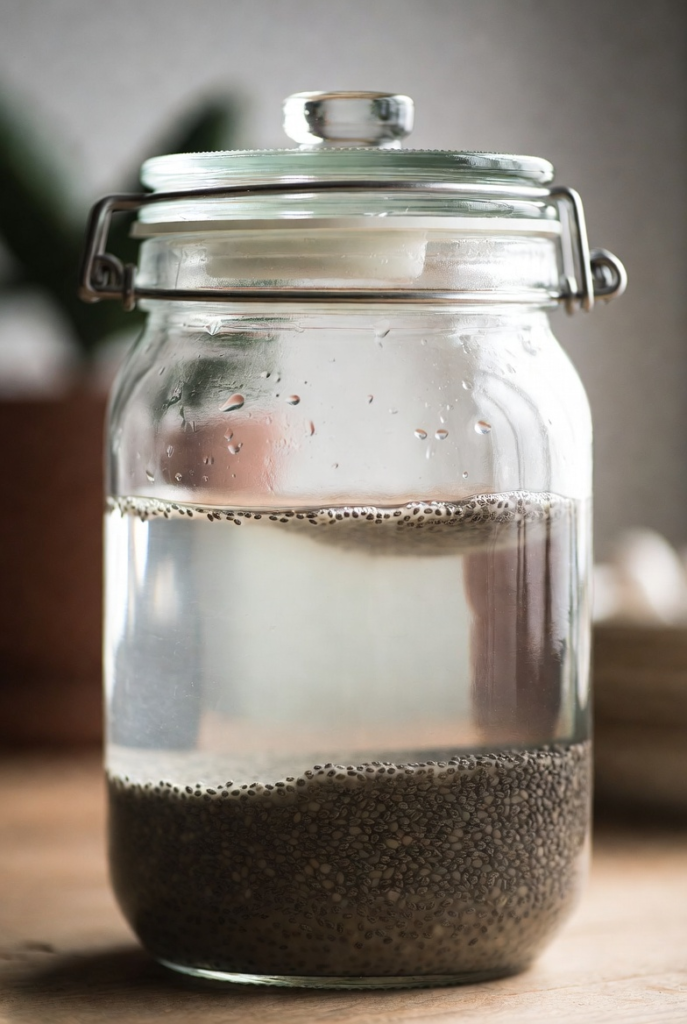
When you ask what the healthiest way to eat chia seeds is, the answer is almost always “soaked.” By following the timing guidelines mentioned earlier, you unlock a suite of metabolic benefits that dry seeds simply cannot provide.
Improved Digestive Regularity
The primary health benefits of chia seeds come from their unique fiber profile. They contain both soluble and insoluble fiber. Once soaked, the soluble fiber forms a gel that acts as a prebiotic, feeding the beneficial bacteria in your gut microbiome. This leads to improved regularity and a reduction in systemic inflammation.
Heart Health and Omega-3 Bioavailability
Chia seeds are one of the richest plant-based sources of Alpha-Linolenic Acid (ALA). While your body must convert ALA into DHA and EPA, soaking the seeds makes the outer shell more permeable.
This allows your digestive enzymes to access the oils more efficiently, supporting cardiovascular health and maintaining healthy cholesterol levels.
Blood Sugar Management
Soaked chia seeds are a tool for glycemic control. The viscous gel slows down the rate at which your stomach empties its contents. This results in a slower, more gradual release of glucose into the bloodstream, preventing the sharp insulin spikes that can lead to type 2 diabetes and weight gain over time.
How Many Chia Seeds Per Day?
Even with perfect soaking, moderation is key. Determining how many chia seeds per day depends on your body’s current fiber tolerance.
- For Beginners: Start with 1 teaspoon of soaked seeds. Monitor your bloating and gas levels for three days before increasing.
- For Weight Loss: A standard dose of 2 tablespoons (approx. 28g) per day is recommended. This provides about 11 grams of fiber, roughly 40% of the daily requirement for women and 30% for men.
- For Athletes: Some endurance athletes use up to 3–4 tablespoons per day for sustained hydration, but this must be balanced with significant water intake.
Side Effects of Overconsumption: Consuming too many seeds, even soaked ones, can lead to diarrhea or abdominal cramps due to the high fiber load. If you experience these symptoms, scale back your dosage immediately.
Health Benefits of Soaked Chia Seeds
When you ask what the healthiest way to eat chia seeds is, the answer is almost always “soaked.” By following the timing guidelines mentioned earlier, you unlock a suite of metabolic benefits that dry seeds simply cannot provide.
Improved Digestive Regularity
The primary health benefits of chia seeds come from their unique fiber profile. They contain both soluble and insoluble fiber. Once soaked, the soluble fiber forms a gel that acts as a prebiotic, feeding the beneficial bacteria in your gut microbiome. This leads to improved regularity and a reduction in systemic inflammation.
Heart Health and Omega-3 Bioavailability
Chia seeds are one of the richest plant-based sources of Alpha-Linolenic Acid (ALA). While your body must convert ALA into DHA and EPA, soaking the seeds makes the outer shell more permeable.
This allows your digestive enzymes to access the oils more efficiently, supporting cardiovascular health and maintaining healthy cholesterol levels.
Blood Sugar Management
Soaked chia seeds are a tool for glycemic control. The viscous gel slows down the rate at which your stomach empties its contents.
This results in a slower, more gradual release of glucose into the bloodstream, preventing the sharp insulin spikes that can lead to type 2 diabetes and weight gain over time.
How Many Chia Seeds Per Day?
Even with perfect soaking, moderation is key. Determining how many chia seeds per day depends on your body’s current fiber tolerance.
- For Beginners: Start with 1 teaspoon of soaked seeds. Monitor your bloating and gas levels for three days before increasing.
- For Weight Loss: A standard dose of 2 tablespoons (approx. 28g) per day is recommended. This provides about 11 grams of fiber, roughly 40% of the daily requirement for women and 30% for men.
- For Athletes: Some endurance athletes use up to 3–4 tablespoons per day for sustained hydration, but this must be balanced with significant water intake.
Side Effects of Overconsumption: Consuming too many seeds, even soaked ones, can lead to diarrhea or abdominal cramps due to the high fiber load. If you experience these symptoms, scale back your dosage immediately.
Frequently Asked Questions (FAQ)
To wrap up this pillar guide, let’s address the most common “People Also Ask” (PAA) queries regarding how long chia seeds need to soak.
What happens if I don’t soak chia seeds long enough?
If you consume seeds that have only been soaking for 5 minutes, they will continue to expand in your digestive tract. This can lead to a “heavy” feeling in the stomach, temporary bloating, or even mild dehydration as the seeds pull water from your body to finish their hydration process.
What not to mix with chia seeds?
Avoid mixing chia seeds with dehydrated foods or sugary syrups without sufficient liquid. Mixing them with dry protein powder or thick nut butter without adding water or milk creates a sticky paste that is difficult to digest and increases the risk of choking.
Can you soak chia seeds for too long?
In the refrigerator, you can soak them for up to 5 days. However, beyond 7 days, the mixture may begin to ferment or develop mold. At room temperature, do not soak seeds for more than 2 to 4 hours, as the lack of preservatives makes them a breeding ground for bacteria.
Do chia seeds need to soak overnight?
They do not need to, but it is the best practice for a smooth, custard-like texture. If you have a sensitive stomach, an overnight soak (8+ hours) is the only way to ensure the seeds are fully “unlocked” and easy to digest.
Conclusion
Mastering the science of how long to soak chia seeds is the essential bridge between a basic pantry staple and a high-performance functional food.
As we have explored throughout this guide, the timing of your soak is not just a matter of culinary preference; it is a vital step in ensuring digestive comfort, nutrient absorption, and physical safety.
Whether you are looking for the quick 20-minute water soak for a pre-workout hydration boost or the 8-hour overnight soak to create a luxurious, probiotic-rich breakfast pudding, the goal remains the same: unlocking the seed’s mucilaginous potential.
By allowing these seeds to fully “bloom,” you protect your digestive tract, stabilize your blood sugar, and maximize the satiety signals that make chia seeds a premier tool for weight management in 2026.
As you incorporate these practices into your daily routine, remember to listen to your body. Start with smaller servings, stay hydrated with plenty of additional water, and choose the soaking medium—be it water, milk, or yogurt—that best fits your nutritional goals.
With the right approach to hydration, the tiny chia seed becomes a giant ally in your journey toward optimal health and longevity.
Authoritative References
1. Harvard T.H. Chan School of Public Health – Chia Seeds Nutrition
2. National Institutes of Health (NIH) – The Nutritional and Therapeutic Potential of Chia
3. Mayo Clinic – Chia Seeds: Are They Good For You?
4. Cleveland Clinic – 7 Benefits of Chia Seeds
5. Academy of Nutrition and Dietetics – What Are Chia Seeds?
