

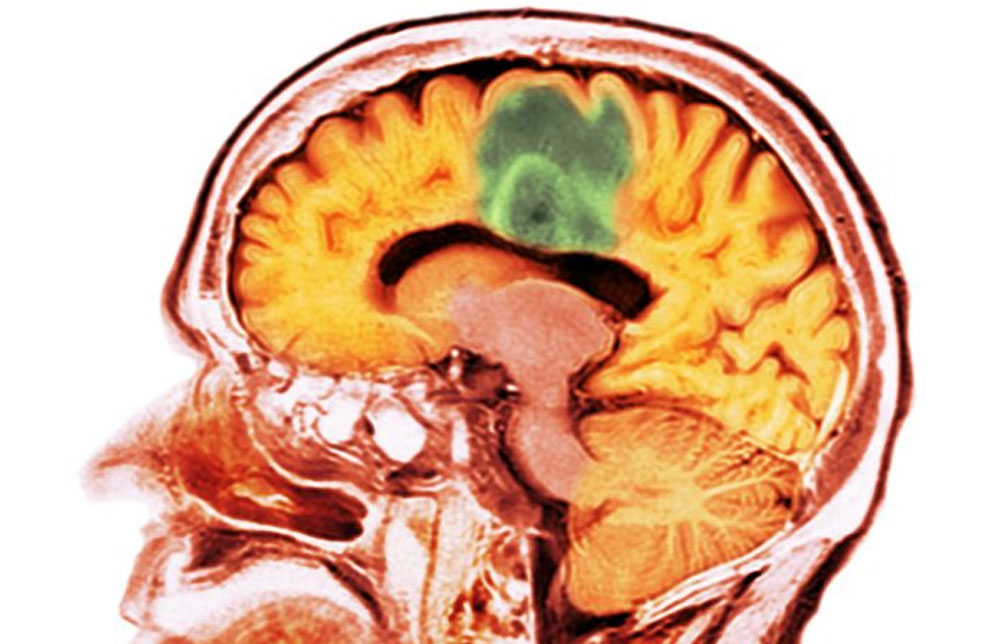
Results from a Phase I/IIb clinical trial show that laser interstitial thermal therapy (LITT) can significantly boost the effects of immune checkpoint inhibitor drugs in patients with recurrent high-grade astrocytoma, an aggressive type of brain cancer which includes glioblastoma. Published today in Nature Communications, the findings reveal that a combination of LITT with pembrolizumab helps immune cells cross the blood-brain barrier to attack the tumor, increasing median survival from 5.2 to 11.8 months.
“These results suggest that LITT can help the immune checkpoint inhibitor pembrolizumab work more effectively against high-grade astrocytoma,” said David D. Tran, MD, PhD, chief of neuro-oncology at Keck Medicine of the University of Southern California and co-director of the USC Brain Tumor Center. “Patients with this type of advanced cancer have few remaining options and poor outcomes, and this approach could meaningfully extend their survival time and provide new hope for patients and their loved ones.”
High-grade astrocytoma is an aggressive form of brain cancer with high recurrence rates and poor outcomes, with most patients only surviving for about four to five months after diagnosis. So far, no treatment beyond standard surgery, radiotherapy and chemotherapy have significantly extended survival in this indication.
While immune checkpoint inhibitors have significantly improved survival across a wide range of cancer types, they have shown minimal efficacy against brain tumors. A major reason for this is the blood-brain barrier, which blocks both tumor antigens to be released into the bloodstream and immune cells from entering the brain and infiltrating the tumor.
LITT is a minimally invasive procedure that destroys tumor tissues using heat from laser beams, which are guided to the target location via magnetic resonance imaging (MRI) to ensure healthy tissue is not damaged. Previous studies had shown that LITT can temporarily make the blood-brain barrier more permeable for about four weeks, making it a promising candidate to improve the effects of immune checkpoint inhibitor drugs in brain cancer indications.
The clinical trial enrolled 45 patients with advanced stages of grade 4 astrocytoma; all of them were at least in their second recurrence. Participants were randomized to receive either LITT or conventional surgery, followed by a course of pembrolizumab.
Results showed that LITT improved median survival by 6.6 months, more than doubling it. While none of the patients who received conventional treatment reached the 18-month mark, 42% of patients who were treated with LITT lived at 18 months, and over a third survived for more than three years. The treatment was also shown to be generally safe and well tolerated.
Samples collected from the participants showed that LITT induced early activation of monocytes, which have been previously reported to strengthen the anti-tumoral response of effector T cells. Among those treated with LITT, long-term survivors showed higher rates of activated T cells compared to those with shorter survival.
Taken together, results show that LITT could significantly improve survival in a patient population with very limited treatment options and poor prognosis. Further clinical studies are planned to confirm the efficacy of this combination treatment.
