

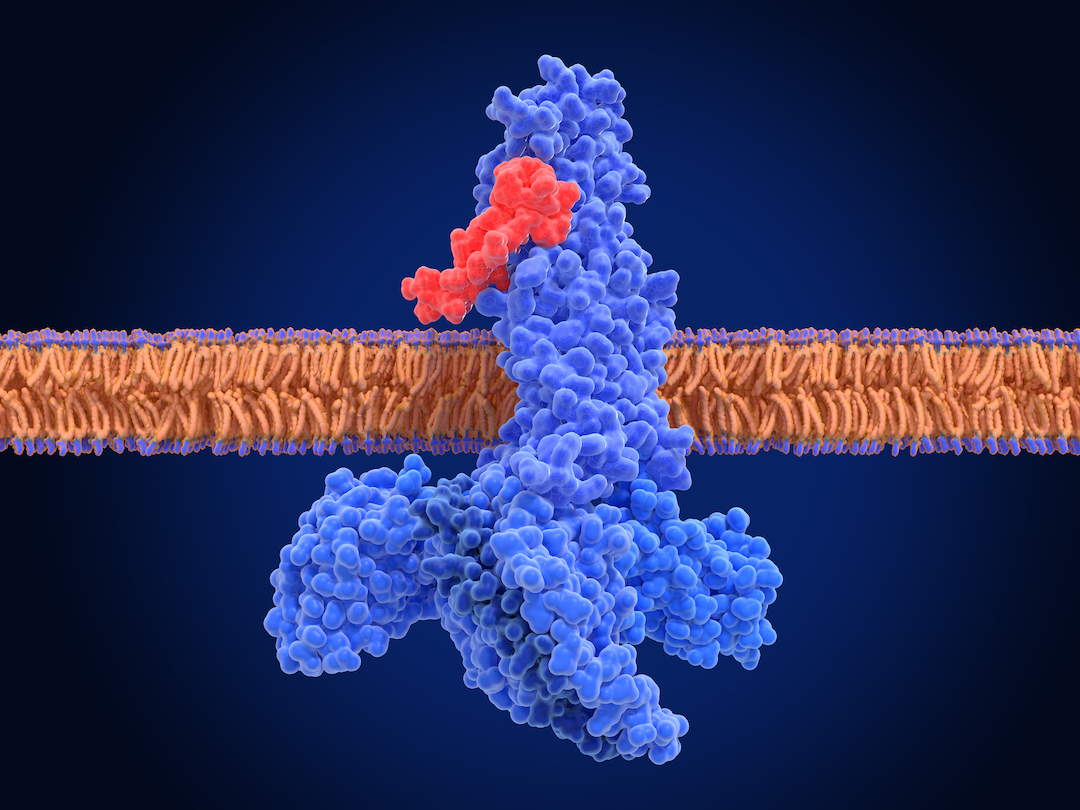
A study completed by PrecisionLife and Ovation.io has uncovered genetic biomarkers that predict whether someone is likely to have a good or a poor response to treatment with glucagon-like peptide-1 receptor agonist (GLP-1) therapies.
A range of GLP-1 drugs have been used for treatment of type 2 diabetes for the last 20 years and more recently for treatment of obesity, as these therapies reduce blood glucose and induce weight loss. However, approximately 50% of patients stop taking these drugs within a year of being prescribed them and patient responses to these drugs are known to be variable.
Ovation is a U.S.-based genomic data company and PrecisionLife is a U.K.-based precision medicine-focused company that uses advanced data analysis and artificial intelligence to work out why some people respond differently to diseases and treatments. The two companies started a partnership at the end of last year to build genetic tools to predict which patients will benefit the most from GLP‑1 drugs.
Phase I of the collaborative study is now complete and included data from 4,600 patients being treated with GLP-1 therapies. Efficacy was defined by how well the drugs were able to lower body mass index (BMI) and glycated hemoglobin (HbA1c).
Overall, 2,500 genetic signatures linked to efficacy were generated and mapped to 1,100 genes. The researchers found 15 main genetic mechanisms linked to the efficacy of GLP-1 drugs in this cohort.
“Phase I of the PrecisionLife/Ovation collaboration demonstrated that we can identify genetic biomarkers associated with strong and weak responders to GLP-1 receptor agonist drugs and quantitatively predict the level of efficacy based on their degree of response measured by BMI and HbA1c changes,” explained Steve Gardner, PhD, CEO of PrecisionLife, in a press statement.
“While we see many known pathways, a number of the genes identified are outside of the ‘defined’ GLP-1 receptor agonist mechanisms of action and novel in the literature.”
The collaboration will now move into Phase II. As part of the next stage, the two companies plan to analyze data from 25,000 patients and include more phenotypic data.
“Results suggest that by combining Ovation’s unique normalized and standardized longitudinal data sets and clinical records with PrecisionLife’s mechanistic patient stratification analysis platform, we can identify specific combinations of genetic and biological drivers that create different ‘response-defined’ subgroups within this crucial therapeutic category,” said Curt Medeiros, CEO of Ovation.io.
“Matching patients to specific therapies based on their individual risk and response mechanisms, rather than treating them as a homogeneous population, enables more targeted, de-risked development programs and more accurate patient prescriptions.”
