

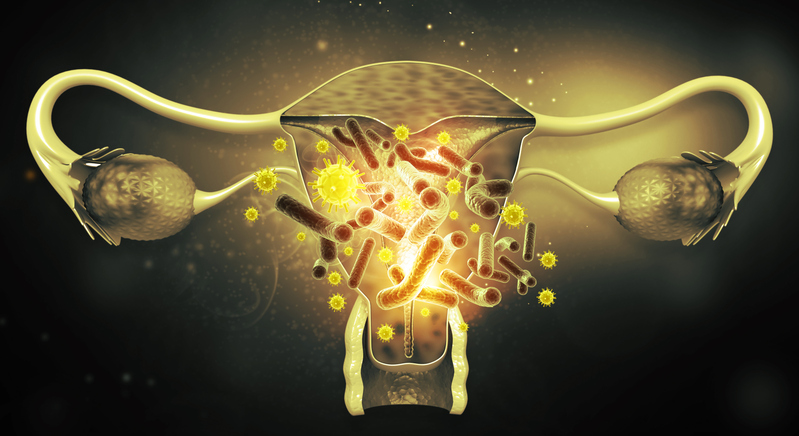
Results from a Phase I study testing whether a vaginal probiotic containing several strains of the bacteria Lactobacillus crispatus, known to promote good vaginal health, can help women with bacterial vaginosis has shown good initial results.
This study is early stage, but a key problem with previous studies testing probiotic treatments for the same indication was that although the treatment reduced vaginosis recurrence, the beneficial bacteria disappeared fairly quickly after treatment.
The current study, published in Cell Host & Microbe, showed that after a short treatment with the probiotic, 66% of the study participants retained the probiotic bacteria after five weeks and 49% at 12 weeks.
Bacterial vaginosis is a common problem and affects around 30% of women. It causes unpleasant discharge and odor and can cause irritation. While it can be dismissed as insignificant on its own, it can increase a woman’s risk of preterm birth and abnormal cell growth in the cervix, as well as other health issues.
Vaginosis is associated with an overly diverse vaginal microbiome—a healthy vaginal microbiome is less diverse and consists mainly of L. crispatus bacteria. Antibiotic use to kill off excess pathogenic bacteria can help in the short term, but the problem recurs in 60% of women within six months.
Researchers working on the vaginal microbiome have been developing possible probiotic treatments for bacterial vaginosis with the idea of repopulating the vaginal microbiome with healthy bacteria after antibiotic treatment.
The current study was carried out in the U.S. and South Africa and recruited 90 participants, 19 of whom were assigned to placebo treatment and the rest to treatment with a multistrain vaginal probiotic containing L. crispatus bacteria at different time points after initial treatment with the antibiotic metronidazole.
The study was a Phase I trial and not powered for efficacy but met its primary endpoint of good safety, with no significant side effects, and effective colonization of the probiotic bacteria.
It also showed some signs of preventing recurrence with a 51% and 37% reduction in recurrence in the treatment groups versus placebo at five and 12 weeks, respectively.
“Bacterial vaginosis is associated with not only bothersome and disruptive symptoms, but also poor reproductive health outcomes,” said lead author Caroline Mitchell, MD, an obstetrician/gynecologist and researcher based in the Mass General Brigham department of obstetrics and gynecology, in a press statement.
“For decades, we’ve relied on medications that clear the infection but do not restore beneficial bacteria, leaving the vaginal environment vulnerable. We wanted to see if we could ‘re-seed’ that environment with protective bacteria and help the body stay healthy on its own.”
The researchers now plan a follow-up study to optimize the treatment before progressing to larger and more advanced clinical trials of the therapy.
“We are woefully ignorant about the basic biology of the vaginal environment,” emphasized Mitchell. “This study is about more than just testing a new product; it’s one of the only ways we have to actually study these beneficial bacteria and identify what leads to colonization.”
