

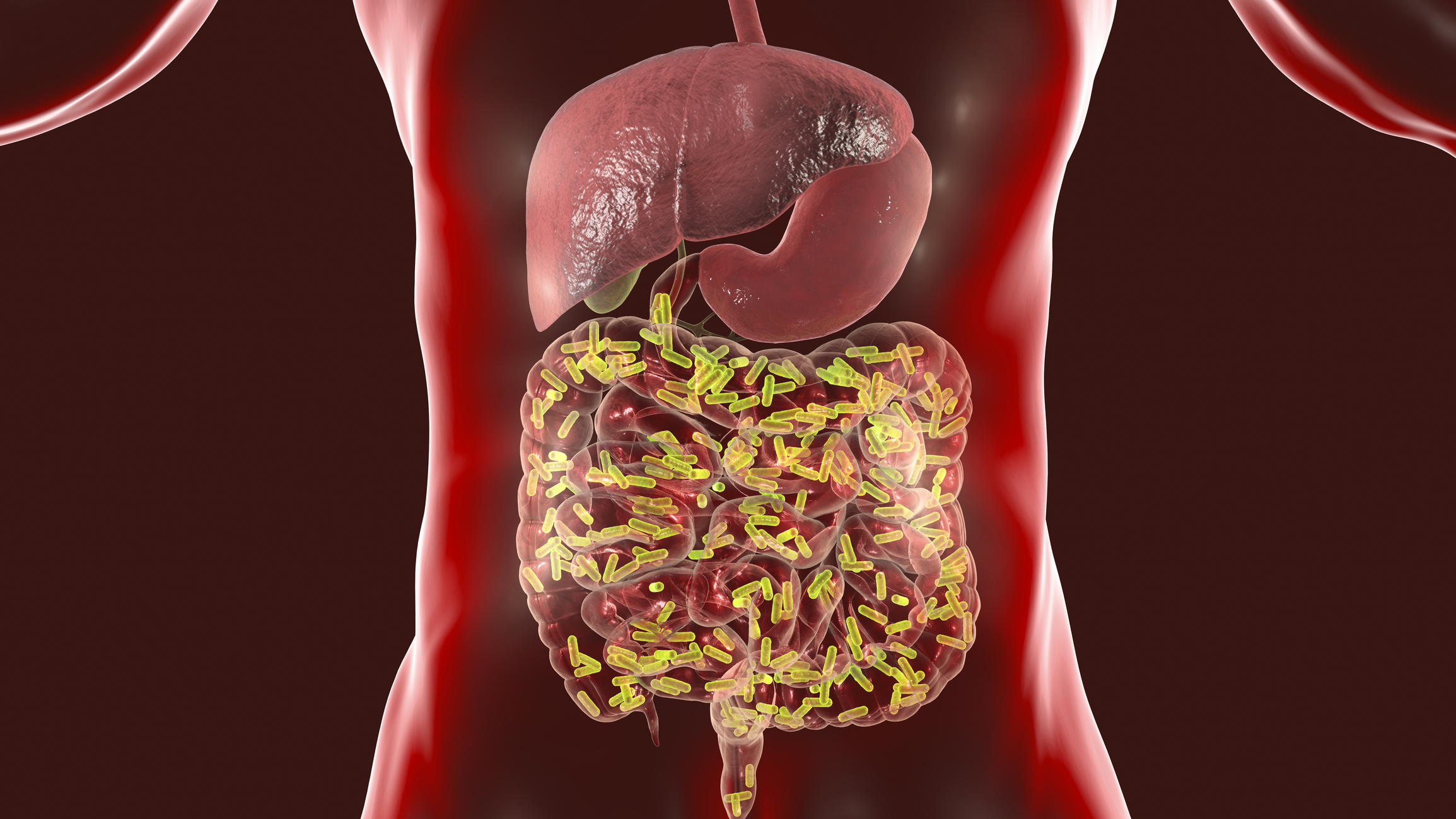
Several gut microbe metabolites that circulate in the human bloodstream are associated with the risk of developing coronary heart disease, research suggests.
The nine circulating small molecules were linked across diverse groups of people and included metabolites of amino acids, lipids, and xenobiotics—which are compounds foreign to the body.
The findings, in PLOS Medicine, highlight the link between the gut microbiome and coronary heart disease and could lead to new treatment or prevention strategies.
“This is one of the most comprehensive metabolomics studies to date, encompassing discovery, in silico validation, and quantitative validation across individuals from diverse ethnic backgrounds and geographic regions,” reported Yulu Zheng, PhD, from Vanderbilt College Medical Center, and co-workers.
“Our findings underscore the importance of gut microbial metabolism in cardiovascular disease [CVD] development and highlight promising molecules that may serve as novel biomarkers or therapeutic targets for future mechanistic and interventional studies.”
The gut microbiota has a genome that is a hundred times larger than that of a human and it generates small molecules—or metabolites—many of which the body cannot produce.
Microbial metabolites can enter the human circulation, where they exert systemic, multifaceted effects on health and disease, including cardiovascular, metabolic, inflammatory, and neurological disorders.
To examine their impact on CHD risk across diverse populations, researchers conducted a multi-stage metabolomic study that involved a discovery stage and both in silico and quantitative validation.
The investigation involved five separate groups of demographically and geographically individuals, among whom microbiota-related metabolites were compared with incident CHD.
The discovery stage involved untargeted plasma metabolite profiling of 896 incident CHD cases and 896 control individuals matched for age, gender, and race.
It included approximately 300 pairs of people belonging to each of the Black, White, and Asian races who were part of the Southern Community Cohort Study, the Shanghai Women’s Health Study and Shanghai Men’s Health Study.
This identified 73 circulating metabolites relating to microbiota that were associated with incident CHD.
Of these, 61 metabolites were available for in silico validation among 3539 individuals in the Atherosclerosis Risk in Communities study, in whom there were 663 CHD cases, and among 3860 people from the Multi-Ethnic Study of Atherosclerosis, in whom there were 446 CHD cases.
A total of 24 metabolites showed a significant association in the same direction as the discovery group.
Finally, a quantitative assay was developed and applied to a new set of 864 cases and 864 control individuals matched for age, gender and race, with approximately 260 to 340 pairs per race, from the three studies involved in the initial, discovery stage of the current research.
The targeted assay quantified eight of the 24 metabolites, with five significantly associated with incident CHD: imidazole propionate, 3-hydroxy-2-ethylpropionate, 4-hydroxyphenylacetate, trans-4-hydroxyproline, and 3-hydroxybutyrate.
The odds ratios for these small molecules ranged from 1.18 to 1.27, after adjusting for social and demographic factors, lifestyles, and body mass index.
The targeted assay also measured eight other promising microbial metabolites, four of which were significantly associated with incident CHD: trimethylamine N-oxide, phenylacetyl-L-glutamine, 4-hydroxyhippuric acid, and indolepropionate.
Most associations were consistent across demographics, lifestyles, metabolic disease history, family CHD history, and follow-up time, although there were some potential effect alterations with race, age, obesity status, and follow-up time.
The researchers acknowledge their inability to validate all significant metabolites due to differences in metabolomic assay coverage across the three stages.
Nonetheless, they say that their results, particularly the quantitative validation, confirmed the role of microbial amino acid metabolites in cardiometabolic diseases.
Microbial metabolites in the lipid pathway were also linked with incident CHD, including trimethylamine N-oxide (TMAO) from choline, phosphatidylcholine, and l-carnitine, 3-hydroxybutyrate from fatty acids and ketogenic amino acids, and sphingomyelin among participants with dyslipidemia.
The researchers noted: “TMAO exemplifies how gut microbial metabolism of dietary intakes (e.g., egg and red meat) affects CVD risk and prognosis.”
