

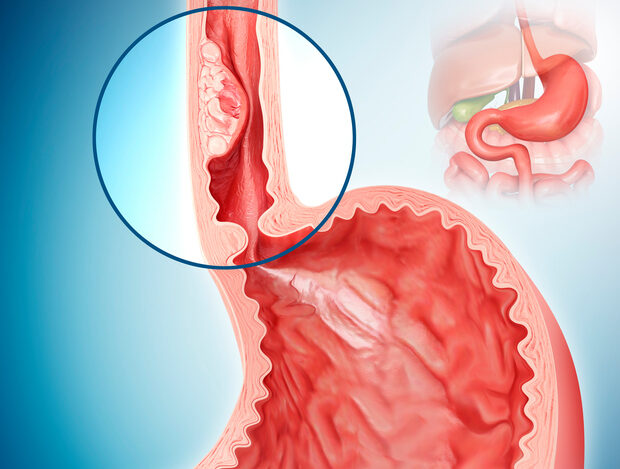
An AI-enabled project has just launched to improve early detection of esophageal and stomach cancers across North East Essex in the U.K. These are some of the hardest cancers to diagnose early and among those with the poorest outcomes in the region.
The project partners include AstraZeneca, C the Signs, NHS Suffolk and North East Essex Integrated Care Board (SNEE ICB), Health Innovation East, and GP Primary Choice. This is the first time in England that population-level, AI-driven case finding has been used in primary care for these cancers, according to a C the Signs press release. The C the Signs platform analyzes clinical data from the electronic health record and patient-reported information to pinpoint patients at increased risk of cancer.
“As one of the largest implementations of AI in the National Health Service (NHS), the C the Signs platform covers over 10 million patients and has detected cancer in over 75,000 so far. Notably, C the Signs has demonstrated that it can outperform rates of cancer detection across the entire NHS as well as matched against primary care provider practices within the same area—showing that the AI platform is more beneficial than clinical decision making alone,” Bea Bakshi, general practitioner and co-founder of C the Signs, told Inside Precision Medicine.
Bakshi says the platform is proven, “In some cancers, C the Signs has improved early-stage detection by 100%. Stage shift is particularly difficult to demonstrate, especially for rarer and harder to detect cancers, but C the Signs has been able to demonstrate this in cancers like ovarian, pancreatic, and lung, where survival and early diagnosis have been historically poor.”
The U.K. currently has no national screening program for upper gastrointestinal cancers. Such malignancies often present with vague, non-specific symptoms, which delays diagnosis. About four in five of these types of cancers are diagnosed at an advanced stage in England.
“Upper gastrointestinal cancers are some of the hardest cancers to detect early, [and] opportunities for earlier diagnosis are frequently missed,” said Bakshi. “This pathway supports earlier identification of risk and faster access to diagnostics, giving more patients the chance to be diagnosed when treatment is more effective.”
Eligible patients are invited to complete a short digital assessment to evaluate symptoms and risk factors. Those deemed at cancer risk are triaged to capsule sponge testing, endoscopy, or CT scanning, depending on clinical presentation.
C the Signs currently supports more than 1,500 GP practices across England and is used by over 11,000 healthcare professionals. This new service builds on that existing NHS infrastructure to introduce a targeted, population-based approach to cancers that have historically been difficult to detect early.
The launch of this program follows the publication of the National Cancer Plan for England, which aims to improve early diagnosis through proactive case finding, better use of electronic health record data, and primary care-led pathways that identify patients at highest risk earlier. The program also includes promoting the role of GPs in early cancer detection.
“We have developed unique and extensive local experience in community capsule sponge testing to improve diagnosis of esophageal cancer. This project builds on our previous work but extends the scope to include all upper gastrointestinal cancers, including stomach and pancreas,” said Peter Holloway, MD, GP cancer lead for SNEE ICB and clinical lead for the project.
He added, “By integrating local health data with service planning and using AI to group symptoms reported by patients, we hope to increase early cancer detection and thereby improve outcomes for cancers which currently can have a poor prognosis. This is one of the key priorities for the ICB and aligns with the new National Cancer Plan.”
