
Close Menu
My Blog

    Subscribe to Updates

    Get the latest creative news from FooBar about art, design and business.

    What's Hot

    Wave Plummets 50% on Obesity Data

    March 30, 2026

    SEMCAP expands into beauty’s longevity opportunity

    March 29, 2026

    Immutrin bags $87m for heart amyloid therapy

    March 29, 2026
    Facebook X (Twitter) Instagram
    X (Twitter) YouTube
    My BlogMy Blog
    Monday, March 30
    • Home
    • About Us
    • Healthy Living
    • DNA & Genetics
    • Podcast
    • Shop
    My Blog
    Home»DNA & Genetics»Blocking TIE2 Protein May Prevent Blood Vessel Defects in the Brain
    DNA & Genetics

    Blocking TIE2 Protein May Prevent Blood Vessel Defects in the Brain

    adminBy adminMarch 28, 2026No Comments3 Mins Read
    Facebook Twitter Pinterest LinkedIn Tumblr WhatsApp VKontakte Email
    Blood
    Share
    Facebook Twitter LinkedIn Pinterest Email

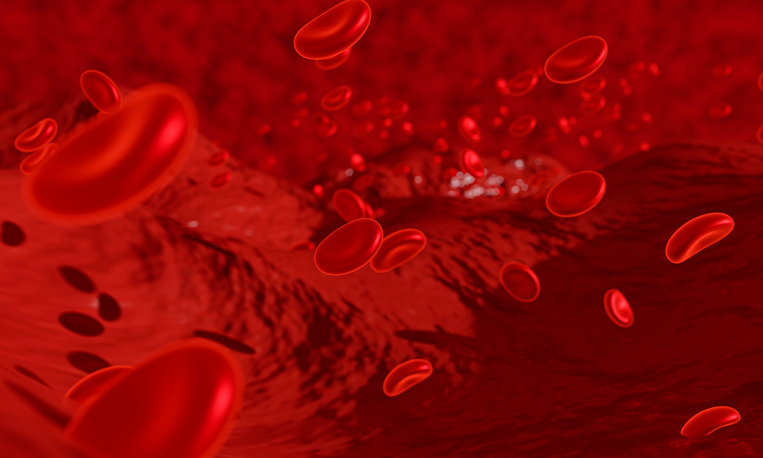
    Credit: Chinnachart Martmoh / iStock / Getty Images Plus

    Scientists from the Perelman School of Medicine at the University of Pennsylvania and their colleagues have identified a cell surface receptor protein called TIE2 as a critical component of two key signaling pathways that drive the growth of a type of blood vessel abnormality called cerebral cavernous malformations. In a study, published this week in the Journal of Experimental Medicine, they suggest that drugs targeting TIE2 could prevent CCMs from forming. The findings in mice are detailed in a paper titled “TIE2 links MEKK3–KLF2/4 and PI3K signaling in cerebral cavernous malformation.” 

    Cerebral cavernous malformations or CCMs are mulberry-shaped vascular lesions that arise in the veins and venules of the central nervous system, resulting in fragile blood vessels with abnormally thin walls. Typically, they are caused by mutations in one of three genes that may be inherited within families but can also arise spontaneously. Once detected, the only way to remove CCMs is by surgical resection but, in many cases, their location within the brain may render them inoperable. If left untreated, these abnormalities can cause brain hemorrhages, strokes, and seizures. 

    According to the paper, CCM-causing mutations hyperactivate a signaling pathway called the MEKK2-KLF2/4 pathway, in the endothelial cells that line blood vessel walls. This hyperactivation stimulates a second signaling pathway involving the enzyme phosphoinositide 3-kinase (PI3K). Drugs that inhibit the PI3K pathway can prevent the formation of CCMs in mice. But because of the importance of this pathway in many tissues, these drugs can have severe side effects and may be poorly tolerated in the long run.  

    “Determining how endothelial cells augment PI3K signaling downstream of the MEKK3-KLF2/4 pathway could identify a more blood vessel–specific therapeutic strategy for chronic suppression of CCM growth,” according to Mark Kahn, MD, a professor at Penn, and senior author of the new study. “However, the molecular mechanism by which augmented MEKK3-KLF2/4 function increases PI3K signaling has remained unclear.”

    In this new study, Kahn and his colleagues reveal that these two key signaling pathways are linked by TIE2, a receptor protein on the surface of endothelial cells that regulates blood vessel development. Specifically, they report that TIE2 activity was enhanced in the endothelial cells surrounding both human and mouse CCMs. Levels of the TIE2 protein increased in response to elevated MEKK3-KLF2/4 signaling, which increased the activation of the PI3K pathway. Crucially, they showed that inhibiting TIE2 with rebastinib, an orally bioavailable small-molecule inhibitor of multiple tyrosine kinases, prevented the development of new CCMs in mice. 

    Overall, the data suggests that “pharmacologic blockade of TIE2 may provide an endothelial cell-centered approach for chronic suppression of CCM disease with fewer side effects than systemic PI3K pathway inhibition,” Kahn said.

    Blocking Blood Brain Defects Prevent Protein TIE2 Vessel
    Share. Facebook Twitter Pinterest LinkedIn Tumblr WhatsApp Email
    Previous ArticleBile Duct Cancer Detection Nearly Doubled with Molecular Testing
    Next Article The oldest old become longevity biotech’s new map
    admin
    • Website

    Related Posts

    Wave Plummets 50% on Obesity Data

    March 30, 2026

    Stem Cells at the Frontier: Breakthroughs, Barriers, and What’s Next

    March 28, 2026

    Lonza Media Development Lab Set Up in Singapore

    March 28, 2026

    Gut-Immune Link Identified in Multiple Sclerosis-Related Neuroinflammation

    March 28, 2026
    Leave A Reply Cancel Reply

    Our Picks

    9 Time-Saving Kitchen Gadgets for Fall at Amazon

    September 5, 2025

    Why Exercise Is So Important For Heart Health, From An MD

    September 5, 2025

    An Engineered Protein Helps Phagocytes Gobble Up Diseased Cells

    September 5, 2025

    How To Get Rid Of Hangnails + Causes From Experts

    September 5, 2025
    • Facebook
    • Twitter
    • Pinterest
    • Instagram
    • YouTube
    • Vimeo
    Don't Miss
    DNA & Genetics

    Wave Plummets 50% on Obesity Data

    By adminMarch 30, 20260

    Disappointed investors punished Wave Life Sciences (NASDAQ: WVE), causing its shares to lose roughly half…

    SEMCAP expands into beauty’s longevity opportunity

    March 29, 2026

    Immutrin bags $87m for heart amyloid therapy

    March 29, 2026

    Why the wellness industry needs a new operating system

    March 28, 2026

    Subscribe to Updates

    Get the latest creative news from SmartMag about art & design.

    About Us

    At FineGut, our mission is simple: to enhance your self-awareness when it comes to your gut health. We believe that a healthy gut is the foundation of overall well-being, and understanding the brain–gut connection can truly transform the way you live.

    Our Picks

    9 Time-Saving Kitchen Gadgets for Fall at Amazon

    September 5, 2025

    Why Exercise Is So Important For Heart Health, From An MD

    September 5, 2025

    An Engineered Protein Helps Phagocytes Gobble Up Diseased Cells

    September 5, 2025
    Gut Health

    Wave Plummets 50% on Obesity Data

    March 30, 2026

    SEMCAP expands into beauty’s longevity opportunity

    March 29, 2026

    Immutrin bags $87m for heart amyloid therapy

    March 29, 2026
    X (Twitter) YouTube
    • Contact us
    • Privacy Policy
    • Disclaimer
    • Terms and Conditions
    © 2026 finegut.com. Designed by Pro.

    Type above and press Enter to search. Press Esc to cancel.