

Novo Nordisk’s higher-dose semaglutide arrives fast, but the bigger story is what it signals for obesity, pricing and the longevity market.
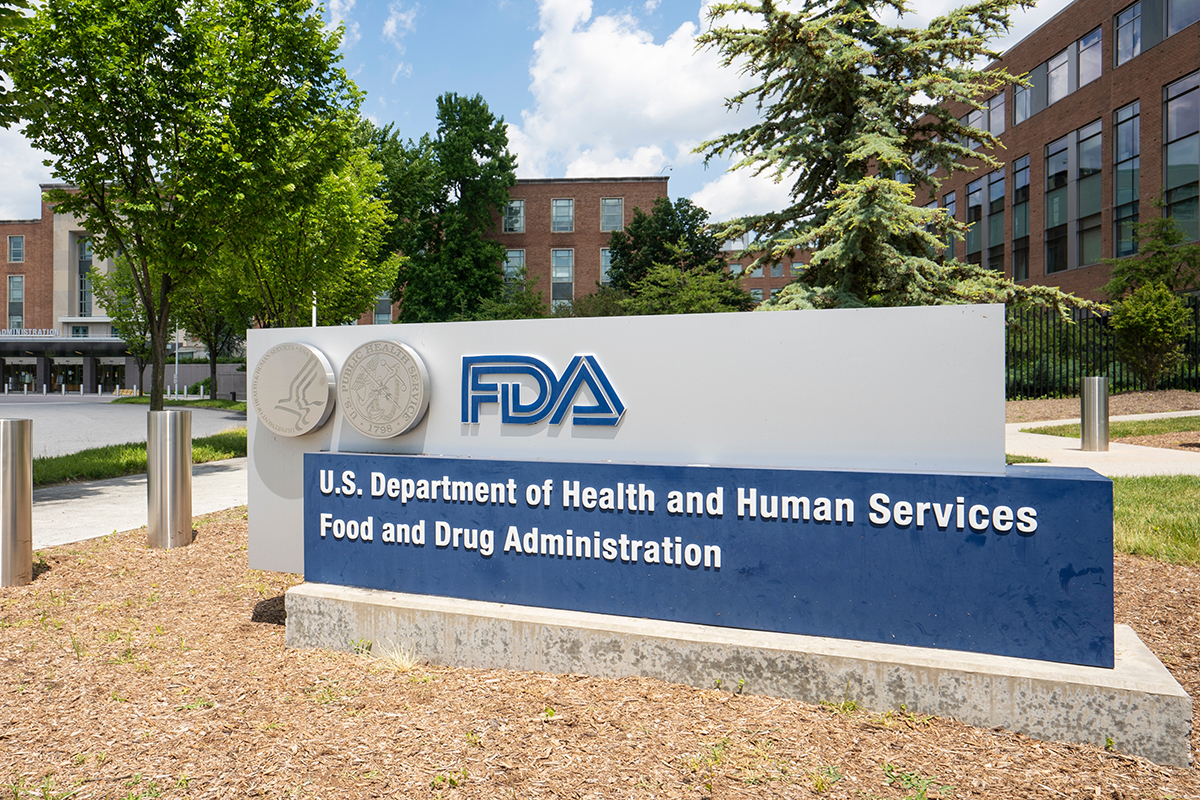
The company behind Wegovy, Novo Nordisk, has secured a swift US regulatory win for a higher-dose version of its blockbuster obesity drug Wegovy, with the Food and Drug Administration (FDA) approving a new 7.2 mg semaglutide injection, branded Wegovy HD, for weight loss and long-term weight maintenance in certain adults [1].
At first glance, this looks like a straightforward product update: same drug, bigger dose, more room for doctors to tailor treatment. However, in the context of the obesity market and the longevity economy increasingly orbiting it, the timing makes this far more interesting.
The FDA approved Wegovy HD just 54 days after filing, making it the fourth product cleared under the Commissioner’s National Priority Voucher (CNPV) pilot program, a fast-review initiative designed to move therapies tied to major national health priorities through the system more quickly.
“The new FDA is moving with unprecedented efficiency on products that advance national priorities,” said FDA Commissioner Martin Makary, MD, MPH “Today’s approval is another demonstration of what the FDA can accomplish when we try bold new things.”
That quote suggests the FDA is not merely approving another obesity drug formulation; it is signaling that metabolic disease is now being treated with a level of urgency once reserved for more traditionally “serious” categories.
What Wegovy HD actually means for patients
Wegovy contains semaglutide, a GLP-1 drug that has become one of the most talked-about areas in modern medicine. In simple terms, these drugs help the body regulate appetite more effectively. Think of it as turning down the volume on the constant internal nudge to eat, making it easier for some patients to feel full sooner and stay full longer.
Wegovy HD is not a new molecule. It is a higher-strength version of an already approved therapy. The FDA said the new dose was supported by clinical data showing that the 7.2 mg version led to additional average weight loss compared with previously approved doses, while keeping a safety profile that broadly matched what doctors already know about semaglutide.
In people living with both obesity and type 2 diabetes, the higher dose also delivered similar blood sugar-lowering compared with lower doses, as measured by hemoglobin A1C – essentially a longer-term marker of glucose control.
The practical takeaway is more weight loss potential without a dramatic shift in how the drug behaves.
The trade-off: more potency, familiar caution
Still, a stronger dose does not mean a frictionless one. The most common side effects were the now-familiar gastrointestinal issues tied to this drug class: nausea, vomiting, diarrhea, constipation and abdominal pain.
The FDA also flagged reports of altered skin sensation – described as sensitivity, pain or burning – which appeared more often at the higher dose than at lower doses. In most cases, those symptoms resolved on their own or improved after a dose reduction, but the agency said it is continuing to investigate the reaction.
Wegovy also retains its boxed warning about the potential risk of thyroid C-cell tumors, based on rodent studies. It should not be used in patients with a personal or family history of medullary thyroid carcinoma or in those with Multiple Endocrine Neoplasia syndrome type 2.
This is the part of the obesity-drug conversation that often gets flattened by hype. Yes, these medicines can be transformative. No, they are not casual lifestyle enhancers. They remain serious therapies that require medical supervision, patient education and a realistic understanding of trade-offs.
Why the approval matters more than the dose
The real intrigue is not just the FDA’s speed, but the timing. Wegovy HD’s approval landed just as semaglutide patents were nearing expiry in India and China, placing Novo Nordisk’s crown-jewel asset under increasing pressure in key international markets.
Once a blockbuster drug moves toward the edge of exclusivity, the mood changes quickly: investors stop asking how dominant it is and start asking how long that dominance can last.
Reports suggest multiple manufacturers in India are preparing semaglutide copycats, with lower-cost versions likely to intensify price competition [2]. Chinese developers are also advancing biosimilar programs. In other words, while Novo is winning a regulatory sprint in the US, it is also staring at the long marathon of defending a franchise that is becoming too valuable for rivals to ignore.
That makes Wegovy HD look less like a simple clinical expansion and more like a commercial fortification strategy.
By introducing a higher-dose branded option, Novo is not just offering another treatment setting. It is building differentiation at a moment when the basic semaglutide story is becoming more crowded. If cheaper alternatives start appearing in some markets, a higher-dose, regulator-backed premium product helps keep the brand ahead of the generic gravity pulling at its edges.
For longevity investors, this is where the story becomes bigger than obesity. Excess weight is deeply entangled with the diseases that erode healthspan: cardiovascular disease, type 2 diabetes, fatty liver disease, chronic inflammation, mobility decline and later-life frailty. That is why the obesity drug boom has become one of the most consequential shifts in the longevity landscape.
Wegovy HD reinforces a truth the sector can no longer dodge. Some of the most powerful longevity plays are present-day metabolic interventions already reshaping risk across millions of lives.
That does not mean GLP-1s are the whole answer. There are still hard questions about affordability, long-term adherence, side effects and who actually gets access. In the end, this new FDA approval is a snapshot of a market where regulatory speed, patent pressure, obesity medicine, and longevity investing are converging into a single story.
Photograph: Tada Images/Shutterstock
[1] https://www.fda.gov/news-events/press-announcements/fda-approves-fourth-product-under-national-priority-voucher-program-higher-dose-semaglutide
[2] https://www.pharmaceutical-technology.com/news/novo-nordisk-wegovy-hd-high-dose-fda-approval/?cf-view
