
Close Menu
My Blog

    Subscribe to Updates

    Get the latest creative news from FooBar about art, design and business.

    What's Hot

    Nautilus debuts Voyager platform in push toward next-gen proteomics

    March 1, 2026

    First-in-Human Success for Prenatal Stem Cell Therapy in Spina Bifida

    February 28, 2026

    Pressure-Driven Pathway Links Liver Congestion to Fibrosis and Cancer

    February 28, 2026
    Facebook X (Twitter) Instagram
    X (Twitter) YouTube
    My BlogMy Blog
    Sunday, March 1
    • Home
    • About Us
    • Healthy Living
    • DNA & Genetics
    • Podcast
    • Shop
    My Blog
    Home»DNA & Genetics»What’s the Secret to Civet Coffee’s Distinctive Taste?
    DNA & Genetics

    What’s the Secret to Civet Coffee’s Distinctive Taste?

    adminBy adminOctober 23, 2025No Comments3 Mins Read
    Facebook Twitter Pinterest LinkedIn Tumblr WhatsApp VKontakte Email
    The Scientist Logo
    Share
    Facebook Twitter LinkedIn Pinterest Email

    By tracking wild civets in India’s Western Ghats, scientists revealed how animal digestion transforms simple Robusta beans into a luxury brew.

    Image credit:©iStock, JodiJacobson

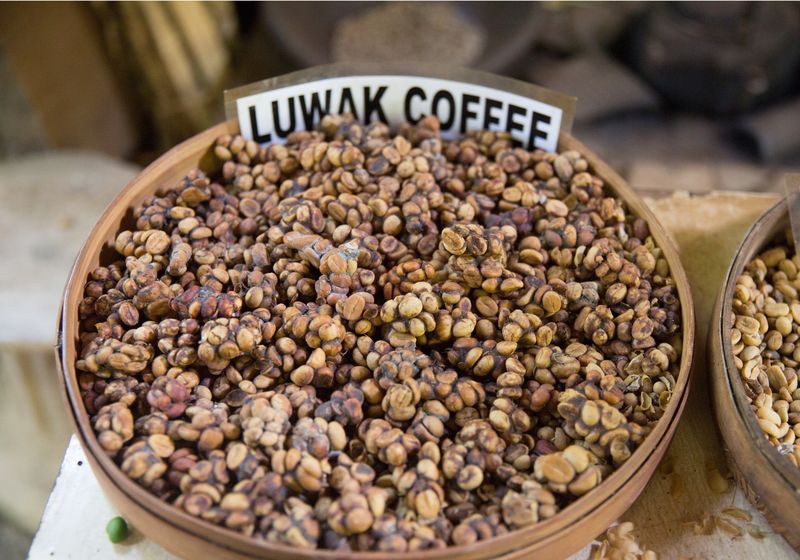
    If there’s one thing that coffee producers from the South Asian countries of India, Indonesia, and Philippines, among others, are excited by, it’s the sighting of fresh civet cat poop. Buried within the fecal matter of this nocturnal mammal are fermented coffee beans that sell for 600–1,300 USD per pound, compared to 2.5 USD per pound for the traditional undigested Robusta coffee beans. What makes civet coffee, better known as kopi luwak, intensely coveted is its enhanced aroma, flavors, and nutritional values.

    Scientists at the Central University of Kerala studied the chemical properties of civet coffee beans to understand what contributes to its distinctive flavor.

    Ramit Mitra

    Civets are frugivorous animals that feed on ripened coffee berries. While their guts digest and absorb the pulp of the berries, the coffee beans come out unscathed in their poop.1 Workers collect these beans and roast them to produce the luxury variety of coffee. Scientists have studied various properties of civet coffee for many years, trying to understand what makes them different from regular varieties of coffee. Now, in a new study published in Scientific Reports, researchers at the Central University of Kerala, India have reported that that coffee beans harvested from the feces of Asian palm civet have higher levels of fats and certain flavor-enhancing compounds than the common Robusta coffee beans.2 These findings provide some answers as to why some people find this unusual cup of java so irresistible.

    Continue reading below…

    To unlock the chemical mysteries of civet coffee beans, Palatty Allesh Sinu, a zoologist at the Central University of Kerala and a coauthor of the study, and his team collected civet poop from five different sites in the Kodagu district of southern India. Located in the Western Ghats, this district contributes nearly 36 percent to India’s coffee production. In January 2025, the researchers walked across the sites and collected 68 fresh civet poop samples and 15–20 ready-to-harvest Robusta coffee berries.

    They dehulled, cleaned, and oven-roasted the poop-derived and berry-derived coffee beans and analyzed the ground beans for the following parameters: protein, sugar, fat, and caffeine content, acidity, profile of volatile and semi-volatile compounds, and fatty acid composition.

    A bunch of ripe Robusta coffee berries.

    Scientists compared coffee beans derived from civet poop and from traditional harvested Robusta coffee berries (shown here) to determine why civet coffee tastes unique.

    Ramit Mitra

    The total fat content was significantly higher in civet coffee beans compared to the traditionally harvested ones. The poop-derived beans also had markedly higher levels of two fatty acid methyl esters—caprylic acid methyl ester and capric acid methyl ester—both of which often impart a dairy-like aroma and flavor to food. The authors speculate that enhanced levels of both of these nutrients might contribute to civet coffee’s unique flavor profile.

    Scientists have previously shown that the civet gut microbiome hosts the bacteria Gluconobacter, which produces enzymes that aid fermentation of the animal’s gut contents.3 Sinu and his colleagues added that the fermentation process might contribute to the distinctively smooth flavor of civet coffee.

    The stereotypical aroma of coffee comes from roasting the beans, which the team excluded from their protocol to preserve native chemical profiles. The team plans to address the impact of roasting on the flavor profile of civet coffee in future studies, along with including ecological variables like shade tree diversity, canopy cover, and presence of wild trees.

    Civet Coffees Distinctive Secret Taste Whats
    Share. Facebook Twitter Pinterest LinkedIn Tumblr WhatsApp Email
    Previous ArticleFrom Mysterious Illness to Remission
    Next Article This luxury ‘cat poo’ coffee has a unique flavour: what’s behind it?
    admin
    • Website

    Related Posts

    A Video Report from AGBT

    February 27, 2026

    Novo Nordisk, Vivtex Ink Up to $2.1B Deal to Develop Oral Biologics for Metabolic Conditions

    February 27, 2026

    Increasing Rice Yields with Gene-Informed Selective Breeding

    February 27, 2026

    Mutant p53 Selective Reactivation Demonstrated in Advanced Solid Tumors

    February 27, 2026
    Leave A Reply Cancel Reply

    Our Picks

    9 Time-Saving Kitchen Gadgets for Fall at Amazon

    September 5, 2025

    Why Exercise Is So Important For Heart Health, From An MD

    September 5, 2025

    An Engineered Protein Helps Phagocytes Gobble Up Diseased Cells

    September 5, 2025

    How To Get Rid Of Hangnails + Causes From Experts

    September 5, 2025
    • Facebook
    • Twitter
    • Pinterest
    • Instagram
    • YouTube
    • Vimeo
    Don't Miss
    Longevity

    Nautilus debuts Voyager platform in push toward next-gen proteomics

    By adminMarch 1, 20260

    Company’s new benchtop system promises a clearer view of proteins following validation at a leading…

    First-in-Human Success for Prenatal Stem Cell Therapy in Spina Bifida

    February 28, 2026

    Pressure-Driven Pathway Links Liver Congestion to Fibrosis and Cancer

    February 28, 2026

    A cellular atlas of aging comes into focus

    February 28, 2026

    Subscribe to Updates

    Get the latest creative news from SmartMag about art & design.

    About Us

    At FineGut, our mission is simple: to enhance your self-awareness when it comes to your gut health. We believe that a healthy gut is the foundation of overall well-being, and understanding the brain–gut connection can truly transform the way you live.

    Our Picks

    9 Time-Saving Kitchen Gadgets for Fall at Amazon

    September 5, 2025

    Why Exercise Is So Important For Heart Health, From An MD

    September 5, 2025

    An Engineered Protein Helps Phagocytes Gobble Up Diseased Cells

    September 5, 2025
    Gut Health

    Nautilus debuts Voyager platform in push toward next-gen proteomics

    March 1, 2026

    First-in-Human Success for Prenatal Stem Cell Therapy in Spina Bifida

    February 28, 2026

    Pressure-Driven Pathway Links Liver Congestion to Fibrosis and Cancer

    February 28, 2026
    X (Twitter) YouTube
    • Contact us
    • Privacy Policy
    • Disclaimer
    • Terms and Conditions
    © 2026 finegut.com. Designed by Pro.

    Type above and press Enter to search. Press Esc to cancel.