Close Menu
My Blog

    Subscribe to Updates

    Get the latest creative news from FooBar about art, design and business.

    What's Hot

    Nautilus debuts Voyager platform in push toward next-gen proteomics

    March 1, 2026

    First-in-Human Success for Prenatal Stem Cell Therapy in Spina Bifida

    February 28, 2026

    Pressure-Driven Pathway Links Liver Congestion to Fibrosis and Cancer

    February 28, 2026
    Facebook X (Twitter) Instagram
    X (Twitter) YouTube
    My BlogMy Blog
    Sunday, March 1
    • Home
    • About Us
    • Healthy Living
    • DNA & Genetics
    • Podcast
    • Shop
    My Blog
    Home»Probiotics»What Is Magnesium? Health Benefits, Risks, More
    Probiotics

    What Is Magnesium? Health Benefits, Risks, More

    adminBy adminOctober 29, 2025No Comments3 Mins Read
    Facebook Twitter Pinterest LinkedIn Tumblr WhatsApp VKontakte Email
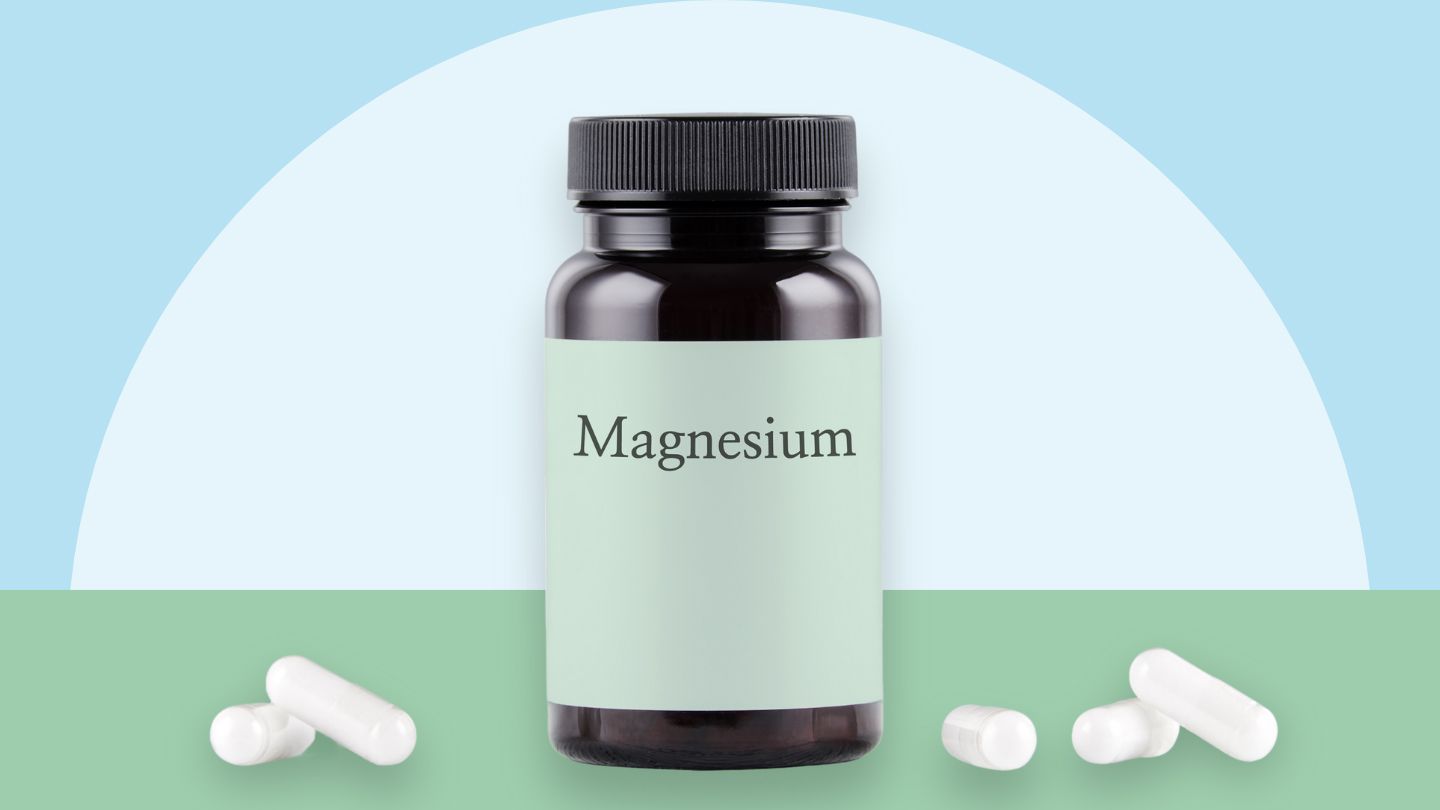
    Magnesium: Potential Benefits, Known Risks, and More
    Share
    Facebook Twitter LinkedIn Pinterest Email

    Magnesium plays a role in hundreds of bodily functions that affect everything from energy production to cardiovascular function. “Magnesium supports so many essential functions: muscle and nerve activity, heart rhythm, blood sugar control, and sleep regulation,” says Raj Dasgupta, MD, an associate professor of clinical medicine at the University of California, Riverside, School of Medicine. “Some research even links it to lower blood pressure and better mood.”

    Research on magnesium’s health benefits is robust overall, says Ashley Koff, RD, founder of The Better Nutrition Program. That said, studies can sometimes focus on specific forms of magnesium that companies choose to fund, meaning the evidence can be skewed depending on who’s backing the study and which formulation is being tested. With that in mind, here are the science-backed benefits of magnesium.

    It May Support Heart Health

    Magnesium helps regulate your heart rate and blood pressure, says Dr. Dasgupta. Studies have linked low levels of magnesium to higher risks of atherosclerosis, coronary artery disease, heart arrhythmias, and heart attack. However, large, long-term studies on magnesium supplementation are needed.

    Several studies have also associated healthy levels of magnesium with a lower incidence of stroke. However, most of these findings come from observational studies, meaning the research doesn’t prove that taking magnesium causes a lower risk of stroke, only suggests an association between these factors.

    It May Help Prevent or Manage Type 2 Diabetes

    Studies show an association between high magnesium levels and a reduced risk of type 2 diabetes.

    “If you’ve been diagnosed with insulin resistance or prediabetes, then taking extra magnesium may really help you,” says Robin Foroutan, RDN, an integrative dietitian in New York City. Supplementation may also support heart health in people with diabetes, as higher magnesium levels are associated with a lower risk of heart disease, according to a meta-analysis from China.

    It Might Strengthen Bones

    Magnesium is essential for bone formation and helps regulate calcium and vitamin D, two key nutrients for maintaining bone density, says Foroutan. One review of 28 studies reported that people who consume lower amounts of magnesium also have a lower bone mineral density and a higher risk of bone fractures.

    It Could Ease Migraine Symptoms

    Research suggests that magnesium supplementation can help reduce the frequency and severity of migraine, both in acute attacks and for long-term prevention. For instance, one review found that people with migraine often have lower magnesium levels, and correcting this deficiency may counteract several migraine-related processes, including nervous system excitation, inflammation, oxidative stress, and blood vessel changes.

    It Could Boost Mood

    Some early studies suggest that higher magnesium levels are associated with improved mood and energy levels, though this research is still evolving, says Dasgupta.

    Low magnesium levels have also been associated with a higher risk for depression. Some evidence suggests supplementation may help improve symptoms, though more studies are needed.

    It Could Improve Sleep Quality

    Some evidence suggests that magnesium supplementation can help promote better sleep, says Dasgupta. But while some trials have linked higher magnesium levels to faster sleep onset, longer sleep duration, and less snoring, the conclusions have been inconsistent across studies with different designs.

    Again, the study authors note that larger, long-term, randomized, controlled trials are needed to better understand this link.

    benefits Health magnesium Risks
    Share. Facebook Twitter Pinterest LinkedIn Tumblr WhatsApp Email
    Previous ArticleAging Reprograms T Cell Behavior, Weakening Vaccine Responses
    Next Article Electromagnetic interference shielding using metal and MXene thin films
    admin
    • Website

    Related Posts

    Microbe Mix Key to Gut Health

    February 27, 2026

    YOU(th) lands funding for smartphone-based preventive health screening

    February 26, 2026

    Key Genetic Variants That Influence Disease Risk, Human Health Traits Identified

    February 26, 2026

    Hertility announced as Women’s Health Partner for Longevity Show

    February 24, 2026
    Leave A Reply Cancel Reply

    Our Picks

    9 Time-Saving Kitchen Gadgets for Fall at Amazon

    September 5, 2025

    Why Exercise Is So Important For Heart Health, From An MD

    September 5, 2025

    An Engineered Protein Helps Phagocytes Gobble Up Diseased Cells

    September 5, 2025

    How To Get Rid Of Hangnails + Causes From Experts

    September 5, 2025
    • Facebook
    • Twitter
    • Pinterest
    • Instagram
    • YouTube
    • Vimeo
    Don't Miss
    Longevity

    Nautilus debuts Voyager platform in push toward next-gen proteomics

    By adminMarch 1, 20260

    Company’s new benchtop system promises a clearer view of proteins following validation at a leading…

    First-in-Human Success for Prenatal Stem Cell Therapy in Spina Bifida

    February 28, 2026

    Pressure-Driven Pathway Links Liver Congestion to Fibrosis and Cancer

    February 28, 2026

    A cellular atlas of aging comes into focus

    February 28, 2026

    Subscribe to Updates

    Get the latest creative news from SmartMag about art & design.

    About Us

    At FineGut, our mission is simple: to enhance your self-awareness when it comes to your gut health. We believe that a healthy gut is the foundation of overall well-being, and understanding the brain–gut connection can truly transform the way you live.

    Our Picks

    9 Time-Saving Kitchen Gadgets for Fall at Amazon

    September 5, 2025

    Why Exercise Is So Important For Heart Health, From An MD

    September 5, 2025

    An Engineered Protein Helps Phagocytes Gobble Up Diseased Cells

    September 5, 2025
    Gut Health

    Nautilus debuts Voyager platform in push toward next-gen proteomics

    March 1, 2026

    First-in-Human Success for Prenatal Stem Cell Therapy in Spina Bifida

    February 28, 2026

    Pressure-Driven Pathway Links Liver Congestion to Fibrosis and Cancer

    February 28, 2026
    X (Twitter) YouTube
    • Contact us
    • Privacy Policy
    • Disclaimer
    • Terms and Conditions
    © 2026 finegut.com. Designed by Pro.

    Type above and press Enter to search. Press Esc to cancel.