
Close Menu
My Blog

    Subscribe to Updates

    Get the latest creative news from FooBar about art, design and business.

    What's Hot

    Nautilus debuts Voyager platform in push toward next-gen proteomics

    March 1, 2026

    First-in-Human Success for Prenatal Stem Cell Therapy in Spina Bifida

    February 28, 2026

    Pressure-Driven Pathway Links Liver Congestion to Fibrosis and Cancer

    February 28, 2026
    Facebook X (Twitter) Instagram
    X (Twitter) YouTube
    My BlogMy Blog
    Sunday, March 1
    • Home
    • About Us
    • Healthy Living
    • DNA & Genetics
    • Podcast
    • Shop
    My Blog
    Home»DNA & Genetics»Genetic Mutations in Brains with CTE Similar to Those with Alzheimer’s
    DNA & Genetics

    Genetic Mutations in Brains with CTE Similar to Those with Alzheimer’s

    adminBy adminNovember 1, 2025No Comments3 Mins Read
    Facebook Twitter Pinterest LinkedIn Tumblr WhatsApp VKontakte Email
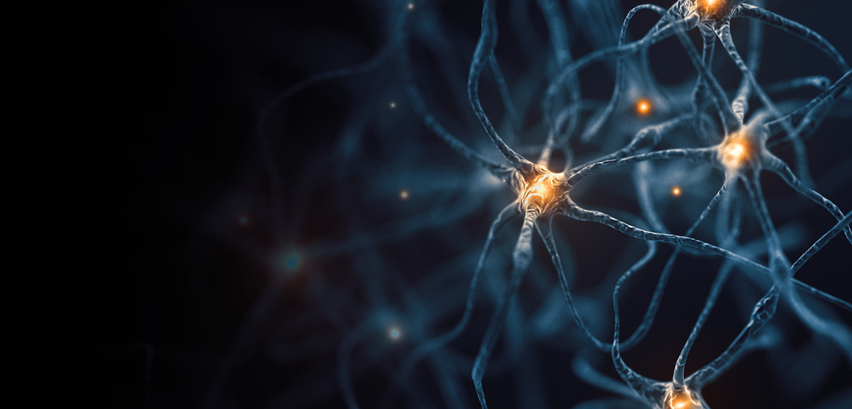
    neurons
    Share
    Facebook Twitter LinkedIn Pinterest Email

    Credit: BlackJack3D / E+ / Getty Images

    Repetitive brain injury has the focus of many studies due to the long-lasting effects and the high risk for injury in participants of high impact sports. While there are many neurodegenerative consequences of these injuries, cellular and genetic consequences are not well understood.

    “Chronic traumatic encephalopathy (CTE) is a neurodegenerative disease linked to exposure to repetitive head impacts (RHI), yet little is known about its pathogenesis,” wrote the authors of a new study published in Science.

    Both CTE and RHI can cause brain injury, but they are physiologically distinct, with CTE often presenting with tau buildup and other similarities to Alzheimer’s disease (AD).

    To explore the similarities and differences between these three related but distinct conditions, researchers from Boston Children’s Hospital, Mass General Brigham, and Boston University collaborated to classify the genetic phenotypes of patients with CTE, RHI, and AD. Their study is titled, “Diverse somatic genomic alterations in single neurons in chronic traumatic encephalopathy.”

    Using single-cell genomic sequencing the team aimed to identify somatic genetic mutations in the brain—specifically, the analysis focused on hundreds of neurons in the prefrontal cortex obtained from dozens of individuals. Postmortem frozen human brain tissue samples included 15 individuals with CTE, 4 with RHI without CTE, 7 with AD, and 19 neurotypical control samples.

    The analysis showed that the patterning identified in CTE derived neurons were similar to the abnormalities observed in neurons from individuals with AD. Meanwhile, the cells from individuals with RHI without CTE did not show the same patterns in somatic genomic damage.

    “Our results suggest that CTE develops through some process in addition to head trauma,” said co-author Chris Walsh, MD, PhD, investigator at the Howard Hughes Medical Institute at Boston Children’s Hospital. “We suspect it involves immune activation in a way similar to Alzheimer’s disease, happening years after trauma.”

    This study highlights the need more in-depth analysis of head trauma and chronic neurodegenerative diseases. While RHI is known to be a likely precursor to CTE, the progression between conditions is unknown and not all individuals suffering from RHI develop CTE. In the present study tissues from individuals with RHI showed similar mutation loads to the control tissues.

    “One of the most significant aspects of our work is the introduction of a new, single-cell genome approach to CTE,” said co-author Michael Miller, MD, PhD, a neuropathologist at Mass General Brigham. “Our study provides further evidence that CTE is a bona fide neurodegenerative disease defined by its unique neuropathological features.”

    More work is needed to understand the genomic intricacies of CTE development and the similarities it shares with AD. “Our results suggest that neurons in CTE experience stereotyped mutational processes shared with AD; the absence of similar changes in RHI neurons without CTE suggests that CTE involves mechanisms beyond RHI alone,” the authors concluded.

    Alzheimers Brains CTE Genetic Mutations Similar
    Share. Facebook Twitter Pinterest LinkedIn Tumblr WhatsApp Email
    Previous ArticleA Multi-Ancestry Analysis Reveals Novel Obesity-Related Genes
    Next Article Which Foods Are Low in Vitamin K?
    admin
    • Website

    Related Posts

    Genetic Biomarkers to Predict Efficacy of GLP-1 Therapies Uncovered

    February 28, 2026

    A Video Report from AGBT

    February 27, 2026

    Novo Nordisk, Vivtex Ink Up to $2.1B Deal to Develop Oral Biologics for Metabolic Conditions

    February 27, 2026

    Increasing Rice Yields with Gene-Informed Selective Breeding

    February 27, 2026
    Leave A Reply Cancel Reply

    Our Picks

    9 Time-Saving Kitchen Gadgets for Fall at Amazon

    September 5, 2025

    Why Exercise Is So Important For Heart Health, From An MD

    September 5, 2025

    An Engineered Protein Helps Phagocytes Gobble Up Diseased Cells

    September 5, 2025

    How To Get Rid Of Hangnails + Causes From Experts

    September 5, 2025
    • Facebook
    • Twitter
    • Pinterest
    • Instagram
    • YouTube
    • Vimeo
    Don't Miss
    Longevity

    Nautilus debuts Voyager platform in push toward next-gen proteomics

    By adminMarch 1, 20260

    Company’s new benchtop system promises a clearer view of proteins following validation at a leading…

    First-in-Human Success for Prenatal Stem Cell Therapy in Spina Bifida

    February 28, 2026

    Pressure-Driven Pathway Links Liver Congestion to Fibrosis and Cancer

    February 28, 2026

    A cellular atlas of aging comes into focus

    February 28, 2026

    Subscribe to Updates

    Get the latest creative news from SmartMag about art & design.

    About Us

    At FineGut, our mission is simple: to enhance your self-awareness when it comes to your gut health. We believe that a healthy gut is the foundation of overall well-being, and understanding the brain–gut connection can truly transform the way you live.

    Our Picks

    9 Time-Saving Kitchen Gadgets for Fall at Amazon

    September 5, 2025

    Why Exercise Is So Important For Heart Health, From An MD

    September 5, 2025

    An Engineered Protein Helps Phagocytes Gobble Up Diseased Cells

    September 5, 2025
    Gut Health

    Nautilus debuts Voyager platform in push toward next-gen proteomics

    March 1, 2026

    First-in-Human Success for Prenatal Stem Cell Therapy in Spina Bifida

    February 28, 2026

    Pressure-Driven Pathway Links Liver Congestion to Fibrosis and Cancer

    February 28, 2026
    X (Twitter) YouTube
    • Contact us
    • Privacy Policy
    • Disclaimer
    • Terms and Conditions
    © 2026 finegut.com. Designed by Pro.

    Type above and press Enter to search. Press Esc to cancel.