

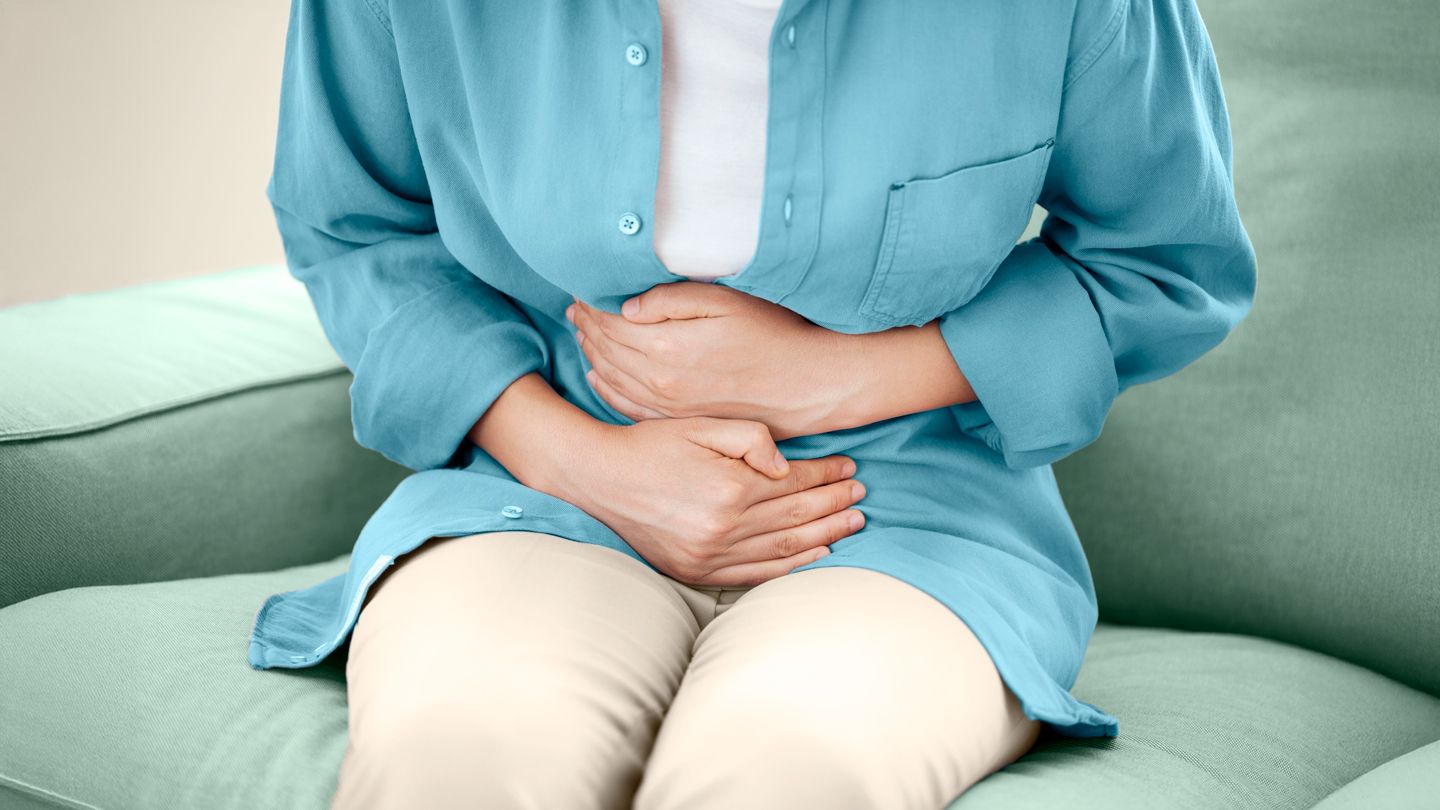
While ulcerative colitis (UC) is best known for causing symptoms like abdominal cramping, fatigue, and rectal pain, bloating is also common. While it may not be the most disruptive UC symptom you’ve experienced, bloating can be extremely uncomfortable — and potentially avoidable, if you learn to address its potential causes and find treatments that can alleviate it.
“Ulcerative colitis [causes] inflammation in the digestive system, and when this inflammation is active — and particularly when bowel habits are irregular — there can be a sensation of feeling bloated,” says Pratima Dibba, MD, a gastroenterologist at the Medical Offices of Manhattan in New York City. “This often accompanies other symptoms like urgency and pain.”
Research suggests that even without UC, bloating is a prevalent health issue — one survey of nearly 89,000 Americans found that almost 14 percent reported experiencing bloating in the previous week. Those with a digestive condition were more likely to experience bloating, and conditions including UC were also associated with more severe bloating.
Although it may be common, bloating doesn’t have to be inevitable when you have UC, and your doctor may be able to help. Here are four tips for prevention and relief.
1. Talk With Your Doctor About Medications
The first step in alleviating UC bloating is making sure your condition is being adequately managed, says Dr. Dibba. “Medications targeted at reducing inflammation in the gut can be helpful for bloating because when disease activity is being controlled effectively, symptoms like bloating should improve,” she says.
Medications used to treat UC include:
- Anti-inflammatory drugs like corticosteroids and aminosalicylates that reduce existing inflammation in the colon (large intestine)
- Immunomodulators like azathioprine (Imuran) to control chronic inflammation caused by the immune system
- Targeted synthetic small molecule drugs including upadacitinib (Rinvoq), which work on specific parts of the immune system to reduce inflammation
- Biologic drugs such as infliximab (Remicade), which prevent certain proteins in the body from triggering inflammation
- Antispasmodics that help relax muscles of the digestive system to alleviate cramping and bloating
For an over-the-counter option that addresses bloating only, consider an anti-gas medication, says Dibba. These contain an active ingredient of simethicone (sometimes called simeticone) and include brands like Gas-X, Alka-Seltzer, and Mylanta. They work by allowing small gas bubbles in the gut to gather together to form larger bubbles, which pass more easily to bring bloating down.
But Dibba says they won’t reduce inflammation related to UC, if that’s what is causing the bloating.
“Whether it’s an over-the-counter medication or a prescription med, these should be used under the direction of a doctor, and the treatment plan may be changed over time based on response and disease activity,” she says.
2. Identify Trigger Foods
It can take some investigative work to pin down which foods may cause bloating, because a food that’s a problem for you may not be an issue for someone else with UC, says Ashkan Farhadi, MD, a gastroenterologist at MemorialCare Orange Coast Medical Center in Fountain Valley, California.
“Although there are individual differences in how food affects each person with UC, certain foods have been shown to trigger symptoms in general,” he says. Common culprits include:
- Sugary treats like cookies, pies, candy, and pastries
- Foods high in insoluble fiber like raw kale, sunflower seeds, and unpeeled apples
- High-fiber vegetables like cabbage, cauliflower, Brussels sprouts, and asparagus
- Sugar alcohols and artificial sweeteners such as xylitol, aspartame, sorbitol, and saccharin
- High-fat foods like butter, fried foods, and cheesy dishes
“Keeping a food diary is a good step here, because you can track what you ate and connect that to any subsequent symptoms such as bloating,” Dr. Farhadi says. “Also, this is useful for discussions with your gastroenterologist, because these food logs often show patterns of symptoms that could indicate you may need a change in condition management.”
3. Consider a Low-FODMAP Diet
If bloating isn’t adequately controlled by medications and identifying problematic foods, another step may be to temporarily switch to a low-FODMAP diet, Dibba says. FODMAP stands for fermentable oligosaccharides, disaccharides, monosaccharides, and polyols.
“Basically, these are short-chain carbohydrates that the small intestine doesn’t absorb well,” she says. “The end result is more gas, which then leads to bloating. But eating foods that are considered low in FODMAPs, you may feel less gassy and have less bloating.”
Foods low in FODMAPs include:
- Eggs
- Certain cheeses like brie, cheddar, and feta
- Almond milk
- Grains like rice, quinoa, and oats
- Vegetables such as potatoes, eggplant, and zucchini
- Fruits like grapes, strawberries, and blueberries
High FODMAP foods include dairy products, beans, wheat-based foods, and vegetables like onions, garlic, and asparagus. More detailed information on the low-FODMAP diet is available from Monash University in Melbourne, where it was developed by researchers for people with digestive conditions, including irritable bowel syndrome (IBS).
People with UC who also have IBS tend to see improvement on the low FODMAP diet, says Dibba. “For some people, adopting this diet can lead to finding out that they have IBS in addition to UC,” she says. “Fortunately, those with overlapping syndromes tend to respond well to this type of diet, so it should reduce symptoms.”
4. Eat Smaller Meals More Often
Another strategy that might make a major difference is to change how much and how often you eat, says Farhadi.
“Larger meals eaten close together means that food may be in your gastrointestinal system for a longer time, and that could lead to bloating and gas,” he says. “This is especially challenging if you have a big meal before bed, because then you’re also adding lying down into the equation, slowing digestion even more.”
Smaller meals spaced throughout the day can be easier on digestion and allow for better nutrient absorption, which can in turn help reduce inflammation, Farhadi says. When inflammation is lessened, that can also reduce other symptoms like abdominal cramping, fatigue, and pain, he says.
“There’s always an element of trial and error when it comes to ulcerative colitis and how symptoms are managed,” says Dibba. “However, taking simple steps like chewing your food well, eating more modest meals, taking medications as directed, and identifying problematic foods can all go a long way toward preventing bloating and easing any bloating that does occur.”
The Takeaway
- Bloating is an uncomfortable symptom of ulcerative colitis that can be linked to inflammation caused by the condition.
- Reducing inflammation overall is helpful in reducing symptoms including bloating, so a first step is to consult with your doctor to confirm that your condition is adequately managed with medication.
- Changing your eating habits by consuming smaller, more frequent meals, or by temporarily adopting a diet low in foods known to cause bloating can also help alleviate discomfort.
