
Close Menu
My Blog

    Subscribe to Updates

    Get the latest creative news from FooBar about art, design and business.

    What's Hot

    Nautilus debuts Voyager platform in push toward next-gen proteomics

    March 1, 2026

    First-in-Human Success for Prenatal Stem Cell Therapy in Spina Bifida

    February 28, 2026

    Pressure-Driven Pathway Links Liver Congestion to Fibrosis and Cancer

    February 28, 2026
    Facebook X (Twitter) Instagram
    X (Twitter) YouTube
    My BlogMy Blog
    Sunday, March 1
    • Home
    • About Us
    • Healthy Living
    • DNA & Genetics
    • Podcast
    • Shop
    My Blog
    Home»Gut Health»Pressure to publish is rising as research time shrinks, finds survey of scientists
    Gut Health

    Pressure to publish is rising as research time shrinks, finds survey of scientists

    adminBy adminNovember 7, 2025No Comments3 Mins Read
    Facebook Twitter Pinterest LinkedIn Tumblr WhatsApp VKontakte Email
    Pressure to publish is rising as research time shrinks, finds survey of scientists
    Share
    Facebook Twitter LinkedIn Pinterest Email

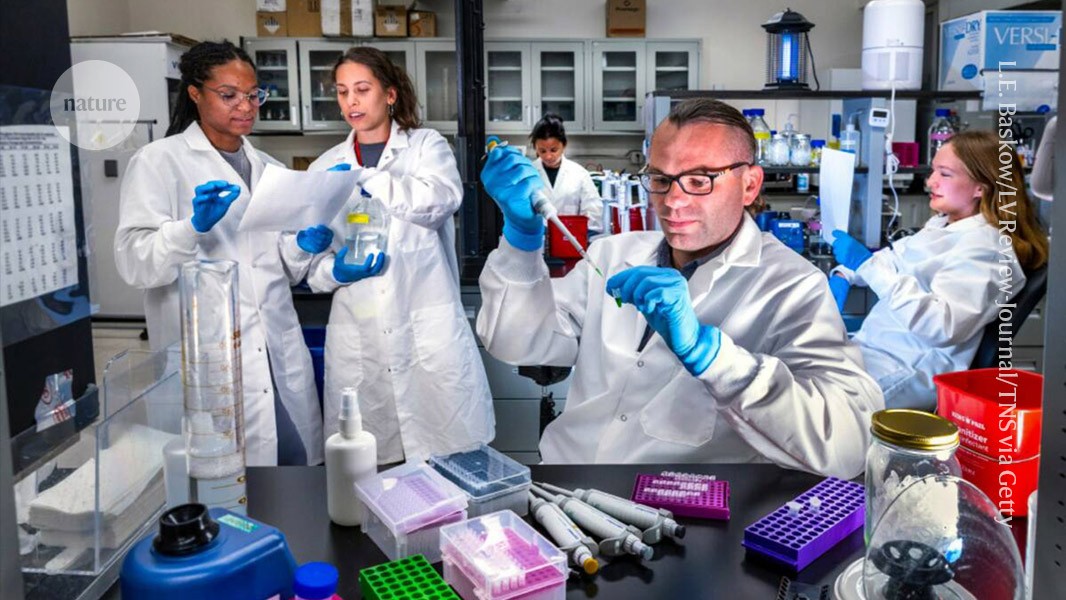
    Several thousand scientists from 113 countries say that the job pressures of being a researcher are rising.Credit: L. E. Baskow/Las Vegas Review-Journal/Tribune News Service via Getty

    Scientists feel that the pressure to publish is rising, but that the time and resources they have to do the necessary research are falling, according to a survey of 3,200 researchers.

    The results come from Elsevier’s 2025 Researcher of the Future report, which surveyed people from 113 countries between August and September, to assess how researchers view the evolving research landscape.

    About 68% of respondents said the pressure to publish their research is greater than it was two to three years ago and only 45% agreed that they have sufficient time for research (see ‘Researchers are feeling the pressure’). Another concern is uncertainty over funding — just 33% of respondents expect funding in their field to grow in the next 2–3 years. And that proportion fell to just 11% in North America, reflecting unprecedented cuts to US research funding this year.

    “As a researcher based in Brazil, I strongly relate to the survey’s findings, particularly the growing pressure to publish despite limited time and resources,” says Claudia Suemoto, a gerontologist at the University of São Paulo Medical School. “The demand for productivity has indeed increased in recent years, yet opportunities for funding and access to qualified personnel remain constrained in Brazil and other low- and middle-income countries.”

    RESEARCHERS ARE FEELING THE PRESSURE. Graphic shows the majority of respondents agree that academic pressures are growing, but time and resources to do research are limited.

    Source: Elsevier

    Suemoto says this imbalance of high demands and restricted resources often forces researchers to do more with less, which could affect the quality and innovation of research. Comments researchers made as part of the survey indicate that the lack of time is down to factors including growing administrative and teaching demands and trying to identity and acquire funding.

    ‘As a result, some researchers are surprised that the proportion of people who have enough time to do their work is so high. “I am amazed that 45% of scientists feel they have enough time for research. I do not know anyone who feels that way,” says Anastasia Borschevsky, an engineer at the University of Groningen in the Netherlands.

    Which researchers want to relocate?

    The survey also reveals that nearly 30% of the respondents are considering moving to a different country in the next two years for the sake of their career.

    “Scientists are used to moving country because of the dynamics of the job market,” says Jacco van Loon, an astronomer at Keele University in the United Kingdom, but he says politics now has a strong influence, too.

    Some 40% of researchers in the United States are likely to consider relocating (up 16 percentage points from a similar survey from Elsevier in 2022), but just 13% of those in China are thinking about it, down 22 percentage points from 2022.
    75% of US scientists who answered Nature poll consider leaving

    “China has made it much more attractive for Chinese scientists to stay, whilst the government in the US has been unprecedently hostile towards scientists, especially on topics where the government has a diverging opinion and with regard to diversity and inclusion,” says van Loon. “So, I am not surprised by the statistics around desire to move country.”

    The relatively high proportion of respondents in the United States considering a move reflects data from a Nature poll in March, which showed that 75% of 1,600 US scientists were considering a move overseas after the election of President Donald Trump, with many saying they were looking for jobs in Europe and Canada.

    finds Pressure Publish Research rising Scientists shrinks Survey Time
    Share. Facebook Twitter Pinterest LinkedIn Tumblr WhatsApp Email
    Previous ArticleCell-Electronic Hybrid Chips Could Enable Surgery-Free Brain Implants
    Next Article PacBio Supports Berry Genomics in Achieving First Regulatory Approval for Clinical Long-Read Sequencing in China
    admin
    • Website

    Related Posts

    The ins and outs of the new Dietary Guidelines for Americans in light of the gut microbiome

    February 25, 2026

    Manchester Calling: The Families and Scientists Refusing to Let Hunter Syndrome Go Unfunded

    February 19, 2026

    Patrick Veiga – Gut Microbiota for Health

    February 17, 2026

    The gut microbiome puzzle and probiotics in primary care patients with IBS

    February 16, 2026
    Leave A Reply Cancel Reply

    Our Picks

    9 Time-Saving Kitchen Gadgets for Fall at Amazon

    September 5, 2025

    Why Exercise Is So Important For Heart Health, From An MD

    September 5, 2025

    An Engineered Protein Helps Phagocytes Gobble Up Diseased Cells

    September 5, 2025

    How To Get Rid Of Hangnails + Causes From Experts

    September 5, 2025
    • Facebook
    • Twitter
    • Pinterest
    • Instagram
    • YouTube
    • Vimeo
    Don't Miss
    Longevity

    Nautilus debuts Voyager platform in push toward next-gen proteomics

    By adminMarch 1, 20260

    Company’s new benchtop system promises a clearer view of proteins following validation at a leading…

    First-in-Human Success for Prenatal Stem Cell Therapy in Spina Bifida

    February 28, 2026

    Pressure-Driven Pathway Links Liver Congestion to Fibrosis and Cancer

    February 28, 2026

    A cellular atlas of aging comes into focus

    February 28, 2026

    Subscribe to Updates

    Get the latest creative news from SmartMag about art & design.

    About Us

    At FineGut, our mission is simple: to enhance your self-awareness when it comes to your gut health. We believe that a healthy gut is the foundation of overall well-being, and understanding the brain–gut connection can truly transform the way you live.

    Our Picks

    9 Time-Saving Kitchen Gadgets for Fall at Amazon

    September 5, 2025

    Why Exercise Is So Important For Heart Health, From An MD

    September 5, 2025

    An Engineered Protein Helps Phagocytes Gobble Up Diseased Cells

    September 5, 2025
    Gut Health

    Nautilus debuts Voyager platform in push toward next-gen proteomics

    March 1, 2026

    First-in-Human Success for Prenatal Stem Cell Therapy in Spina Bifida

    February 28, 2026

    Pressure-Driven Pathway Links Liver Congestion to Fibrosis and Cancer

    February 28, 2026
    X (Twitter) YouTube
    • Contact us
    • Privacy Policy
    • Disclaimer
    • Terms and Conditions
    © 2026 finegut.com. Designed by Pro.

    Type above and press Enter to search. Press Esc to cancel.