
Close Menu
My Blog

    Subscribe to Updates

    Get the latest creative news from FooBar about art, design and business.

    What's Hot

    Nautilus debuts Voyager platform in push toward next-gen proteomics

    March 1, 2026

    First-in-Human Success for Prenatal Stem Cell Therapy in Spina Bifida

    February 28, 2026

    Pressure-Driven Pathway Links Liver Congestion to Fibrosis and Cancer

    February 28, 2026
    Facebook X (Twitter) Instagram
    X (Twitter) YouTube
    My BlogMy Blog
    Sunday, March 1
    • Home
    • About Us
    • Healthy Living
    • DNA & Genetics
    • Podcast
    • Shop
    My Blog
    Home»Microbiome»Coronary Artery Calcium Doubles Risk of Death from All Causes
    Microbiome

    Coronary Artery Calcium Doubles Risk of Death from All Causes

    adminBy adminNovember 8, 2025No Comments4 Mins Read
    Facebook Twitter Pinterest LinkedIn Tumblr WhatsApp VKontakte Email
    Coronary Artery Calcium Doubles Risk of Death from All Causes
    Share
    Facebook Twitter LinkedIn Pinterest Email

    Credit: Intermountain Health

    A study in more than 40,000 patients has shown that those who had any detectable levels of calcium in the coronary artery were two to three times more likely to die within the next five years, with only about a quarter of those deaths being caused by cardiovascular disease. These findings were presented this weekend at the American Heart Association Scientific Sessions 2025. 

    “Someone’s coronary artery calcium score could be a more powerful predictor of a person’s overall health than we previously thought,” said Jeffrey L. Anderson, MD, distinguished clinical and research physician at Intermountain Health and principal investigator of the study. “We know that not having any coronary artery calcium is a predictor of being in good coronary health, but we were surprised to find that it may also be a sign you’re in good general health.” 

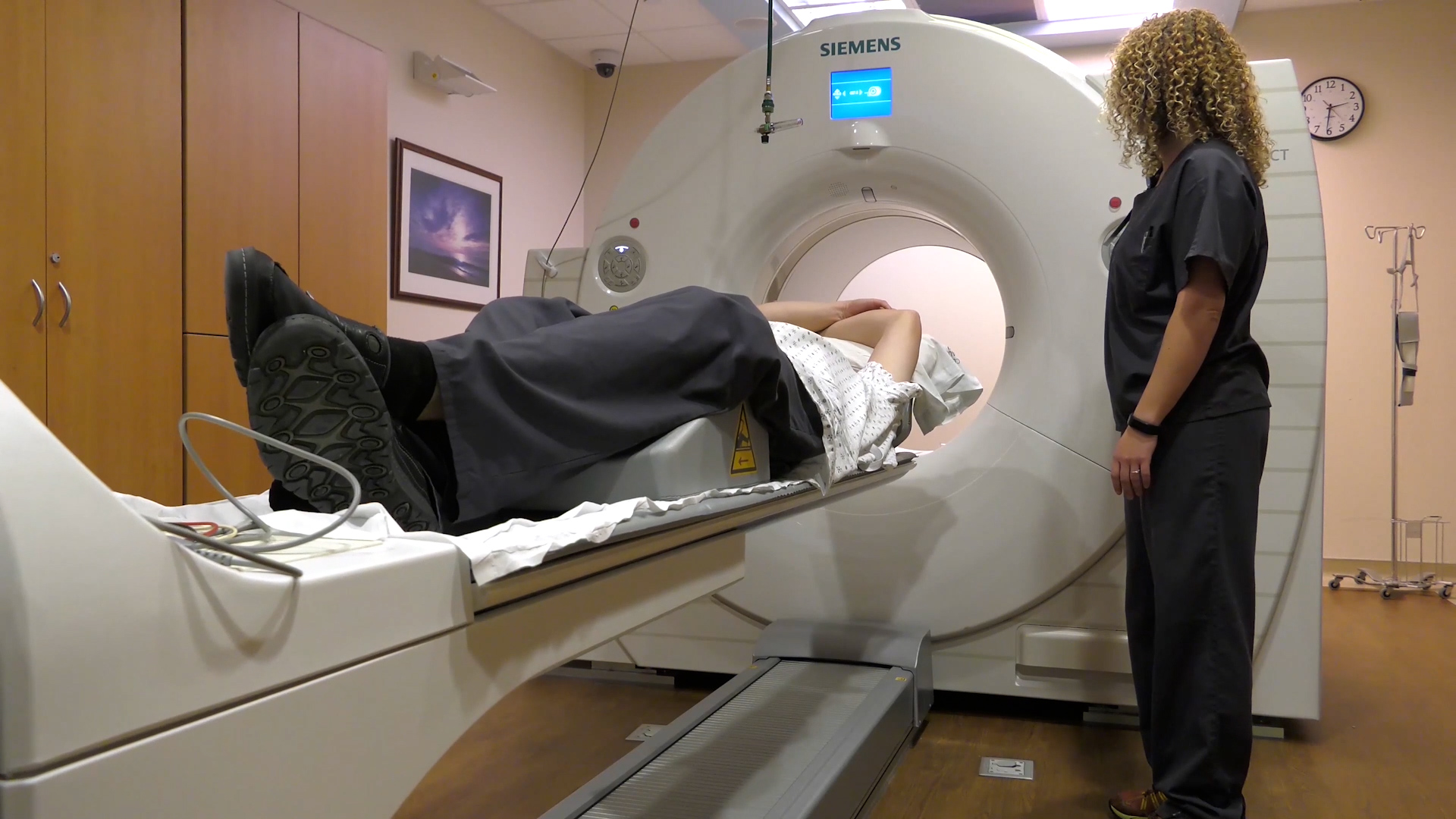
    Computed tomography (CT) scans are routinely used to assess the severity of coronary artery disease by measuring the calcium deposits that form in atherosclerotic plaques in coronary arteries. Generally, the higher the coronary artery calcium (CAC) score, the higher the risk of a patient suffering a heart attack in the future. 

    The retrospective study looked at the medical records of 40,018 patients at Intermountain Health who underwent a CT scan after their doctors determined they were at risk of developing heart disease. Nearly 20% of patients had a CAC score of zero, showing no evidence of coronary artery calcium; researchers found these patients were up to three times less likely to have died in the next five years compared to those who had any levels of coronary artery calcium. 

    Of all the deaths reported in patients with coronary artery calcium, only about 25% were due to cardiovascular disease, highlighting the CAC score as a strong predictor of all-cause mortality. 

    “We don’t know the mechanism for this extended benefit, but coronary plaque may be correlated with plaque in blood vessels in other parts of the body, and having atherosclerosis may also negatively impact immune surveillance, an important protective mechanism against cancer,” said Anderson. 

    Going forward, the research team plans to conduct further studies looking into the non-cardiovascular deaths reported in the study and stratify their causes to find any potential links between coronary artery calcium and all other causes of death. 

    “This may help uncover the mechanism of why a coronary artery calcium score predicts death due to non-coronary artery problems,” said Anderson. “It’s not clear to us right now, and it requires more study, but it’s a very interesting observation and suggests that coronary artery calcium has prognostic value beyond just heart attacks and other heart-related causes.” 

    A smaller, independent study from Intermountain Health, also presented at the American Heart Association Scientific Sessions 2025, found that CAC CT scans can also be useful in a clinical context to identify medical issues unrelated to cardiovascular health. Among 2,284 healthy patients who received a CAC CT scan, 8.5% were found to have potentially significant medical findings in any of the other organs included in the scanned area, such as the esophagus, liver, kidney, breast and other regions of the heart.

    Notably, one of the patients enrolled in the study had an emergency surgery for an aneurysm that was detected during his scan. Taken together, these results highlight the potential of CT scans as a minimally invasive method to assess patient health beyond the cardiovascular system. 

    “We’re confident in saying we’ve saved at least one life through this study and that this tool may be useful in other preventive ways,” said Brent Muhlestein, MD, co-director of research at Intermountain Medical Center. “We’ll continue to explore these findings as a preventive health tool.”

    Artery Calcium Coronary Death doubles Risk
    Share. Facebook Twitter Pinterest LinkedIn Tumblr WhatsApp Email
    Previous ArticleDo Thermogenic Exercise Creams and Gels Like Sweet Sweat Work?
    Next Article How to Choose a Safe Protein Powder
    admin
    • Website

    Related Posts

    First-in-Human Success for Prenatal Stem Cell Therapy in Spina Bifida

    February 28, 2026

    Pressure-Driven Pathway Links Liver Congestion to Fibrosis and Cancer

    February 28, 2026

    Genetic Biomarkers to Predict Efficacy of GLP-1 Therapies Uncovered

    February 28, 2026

    Mapping the Cellular Architecture of Aging Across 21 Organs

    February 28, 2026
    Leave A Reply Cancel Reply

    Our Picks

    9 Time-Saving Kitchen Gadgets for Fall at Amazon

    September 5, 2025

    Why Exercise Is So Important For Heart Health, From An MD

    September 5, 2025

    An Engineered Protein Helps Phagocytes Gobble Up Diseased Cells

    September 5, 2025

    How To Get Rid Of Hangnails + Causes From Experts

    September 5, 2025
    • Facebook
    • Twitter
    • Pinterest
    • Instagram
    • YouTube
    • Vimeo
    Don't Miss
    Longevity

    Nautilus debuts Voyager platform in push toward next-gen proteomics

    By adminMarch 1, 20260

    Company’s new benchtop system promises a clearer view of proteins following validation at a leading…

    First-in-Human Success for Prenatal Stem Cell Therapy in Spina Bifida

    February 28, 2026

    Pressure-Driven Pathway Links Liver Congestion to Fibrosis and Cancer

    February 28, 2026

    A cellular atlas of aging comes into focus

    February 28, 2026

    Subscribe to Updates

    Get the latest creative news from SmartMag about art & design.

    About Us

    At FineGut, our mission is simple: to enhance your self-awareness when it comes to your gut health. We believe that a healthy gut is the foundation of overall well-being, and understanding the brain–gut connection can truly transform the way you live.

    Our Picks

    9 Time-Saving Kitchen Gadgets for Fall at Amazon

    September 5, 2025

    Why Exercise Is So Important For Heart Health, From An MD

    September 5, 2025

    An Engineered Protein Helps Phagocytes Gobble Up Diseased Cells

    September 5, 2025
    Gut Health

    Nautilus debuts Voyager platform in push toward next-gen proteomics

    March 1, 2026

    First-in-Human Success for Prenatal Stem Cell Therapy in Spina Bifida

    February 28, 2026

    Pressure-Driven Pathway Links Liver Congestion to Fibrosis and Cancer

    February 28, 2026
    X (Twitter) YouTube
    • Contact us
    • Privacy Policy
    • Disclaimer
    • Terms and Conditions
    © 2026 finegut.com. Designed by Pro.

    Type above and press Enter to search. Press Esc to cancel.