
Close Menu
My Blog

    Subscribe to Updates

    Get the latest creative news from FooBar about art, design and business.

    What's Hot

    Nautilus debuts Voyager platform in push toward next-gen proteomics

    March 1, 2026

    First-in-Human Success for Prenatal Stem Cell Therapy in Spina Bifida

    February 28, 2026

    Pressure-Driven Pathway Links Liver Congestion to Fibrosis and Cancer

    February 28, 2026
    Facebook X (Twitter) Instagram
    X (Twitter) YouTube
    My BlogMy Blog
    Sunday, March 1
    • Home
    • About Us
    • Healthy Living
    • DNA & Genetics
    • Podcast
    • Shop
    My Blog
    Home»Gut Health»How ancient humans bred and traded the first domestic dogs
    Gut Health

    How ancient humans bred and traded the first domestic dogs

    adminBy adminNovember 14, 2025No Comments3 Mins Read
    Facebook Twitter Pinterest LinkedIn Tumblr WhatsApp VKontakte Email
    How ancient humans bred and traded the first domestic dogs
    Share
    Facebook Twitter LinkedIn Pinterest Email

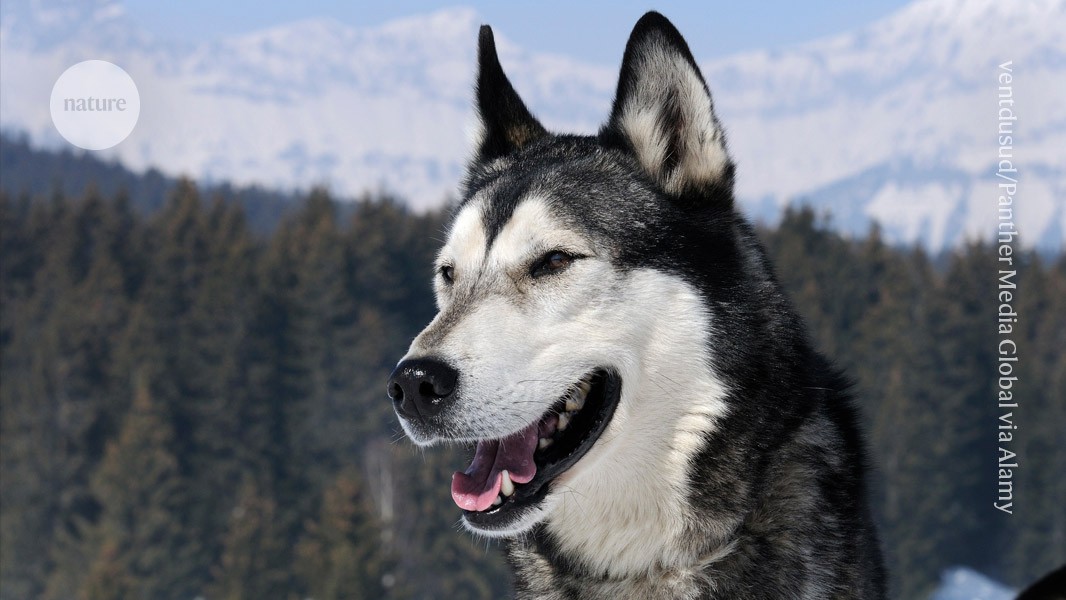
    Modern huskies have ancestral connections to early Arctic dogs.Credit: ventdusud/Panther Media Global via Alamy

    From Pomeranians to poodles, Saint Bernards to spaniels, dogs come in all shapes and sizes, a feature usually attributed to Victorian breeders.

    But an analysis of skulls from than 600 ancient and modern dogs and wolves suggests that much of the diversity seen in present-day dogs emerged thousands of years ago1.

    The analysis, together with a study of ancient dog genomes from central and eastern Eurasia2 — both published today in Science — offers clues about dogs’ origin story, but still no firm answers as to when, where or why they were first domesticated from wolves.

    “Dogs, from very early on in their relationship with humans, are a really important part of human cultures and society,” says Carly Ameen, a bioarchaeologist at the University of Exeter, UK, and co-author of one study.

    Distinctive skull shape

    One challenge for scientists studying the origins of domestic dogs is that it can be hard to determine whether fossils, especially very old ones from the last Ice Age, belonged to dogs or wolves.

    To address this, bioarchaeologists Allowen Evin, at CNRS University of Montpelier in France, and Carly Ameen, at the University of Exeter, UK, and their team compared three-dimensional scans of the skulls of 643 dogs and wolves that lived in the past 50,000 years.
    Genes unleashed: how the Victorians engineered our dogs

    This analysis identified a distinctive dog skull shape — a shortened snout and widened face, compared to wolves — that was first seen in nearly 11,000-year-old fossils from northwest Russia. Earlier work had found that these specimens’ genomes also resembled that of domestic dogs3. Not long after, in dogs associated with late hunter-gatherers and early farming populations, there was “an explosion” in the variety of dog skull shapes and sizes, says Evin, capturing more than half of the diversity in today’s breeds.

    “We often assume that dog diversity emerged since the Victorian period over the last two centuries,” she says “But no — what we found is that from the beginning, there is a huge diversity, much more than what we expected.” Ameen adds that extreme skull shapes such as the flat faces observed in pugs and bulldogs aren’t found in the archaeological record, and must have come later.

    The reason for this early dog diversity is not clear. It could represent early breeding efforts, as humans sought to adapt dogs to the needs of different populations, such as hunting, safety or even companionship, Evin says.

    Linked ancestries

    The second Science study suggests that ancient human groups valued the distinctive features of their dogs. The team who carried out the research — which includes several authors in common with the skull study — sequenced the genomes of 17 dogs, found in East Asia and Central Eurasia, from the past 10,000 years, and compared them with previously published genomes from this period.

    Ancient bred Dogs domestic humans traded
    Share. Facebook Twitter Pinterest LinkedIn Tumblr WhatsApp Email
    Previous ArticleGreens Powder Recalled Nationwide Due to Salmonella
    Next Article Artificial Sweeteners May Help with Weight Loss
    admin
    • Website

    Related Posts

    The ins and outs of the new Dietary Guidelines for Americans in light of the gut microbiome

    February 25, 2026

    Patrick Veiga – Gut Microbiota for Health

    February 17, 2026

    The gut microbiome puzzle and probiotics in primary care patients with IBS

    February 16, 2026

    Ancient Root for Hair Regrowth Timeless Remedies for Thicker Hair

    February 10, 2026
    Leave A Reply Cancel Reply

    Our Picks

    9 Time-Saving Kitchen Gadgets for Fall at Amazon

    September 5, 2025

    Why Exercise Is So Important For Heart Health, From An MD

    September 5, 2025

    An Engineered Protein Helps Phagocytes Gobble Up Diseased Cells

    September 5, 2025

    How To Get Rid Of Hangnails + Causes From Experts

    September 5, 2025
    • Facebook
    • Twitter
    • Pinterest
    • Instagram
    • YouTube
    • Vimeo
    Don't Miss
    Longevity

    Nautilus debuts Voyager platform in push toward next-gen proteomics

    By adminMarch 1, 20260

    Company’s new benchtop system promises a clearer view of proteins following validation at a leading…

    First-in-Human Success for Prenatal Stem Cell Therapy in Spina Bifida

    February 28, 2026

    Pressure-Driven Pathway Links Liver Congestion to Fibrosis and Cancer

    February 28, 2026

    A cellular atlas of aging comes into focus

    February 28, 2026

    Subscribe to Updates

    Get the latest creative news from SmartMag about art & design.

    About Us

    At FineGut, our mission is simple: to enhance your self-awareness when it comes to your gut health. We believe that a healthy gut is the foundation of overall well-being, and understanding the brain–gut connection can truly transform the way you live.

    Our Picks

    9 Time-Saving Kitchen Gadgets for Fall at Amazon

    September 5, 2025

    Why Exercise Is So Important For Heart Health, From An MD

    September 5, 2025

    An Engineered Protein Helps Phagocytes Gobble Up Diseased Cells

    September 5, 2025
    Gut Health

    Nautilus debuts Voyager platform in push toward next-gen proteomics

    March 1, 2026

    First-in-Human Success for Prenatal Stem Cell Therapy in Spina Bifida

    February 28, 2026

    Pressure-Driven Pathway Links Liver Congestion to Fibrosis and Cancer

    February 28, 2026
    X (Twitter) YouTube
    • Contact us
    • Privacy Policy
    • Disclaimer
    • Terms and Conditions
    © 2026 finegut.com. Designed by Pro.

    Type above and press Enter to search. Press Esc to cancel.