
Close Menu
My Blog

    Subscribe to Updates

    Get the latest creative news from FooBar about art, design and business.

    What's Hot

    Nautilus debuts Voyager platform in push toward next-gen proteomics

    March 1, 2026

    First-in-Human Success for Prenatal Stem Cell Therapy in Spina Bifida

    February 28, 2026

    Pressure-Driven Pathway Links Liver Congestion to Fibrosis and Cancer

    February 28, 2026
    Facebook X (Twitter) Instagram
    X (Twitter) YouTube
    My BlogMy Blog
    Sunday, March 1
    • Home
    • About Us
    • Healthy Living
    • DNA & Genetics
    • Podcast
    • Shop
    My Blog
    Home»DNA & Genetics»Postdoc Portrait: Samuel Chagas | The Scientist
    DNA & Genetics

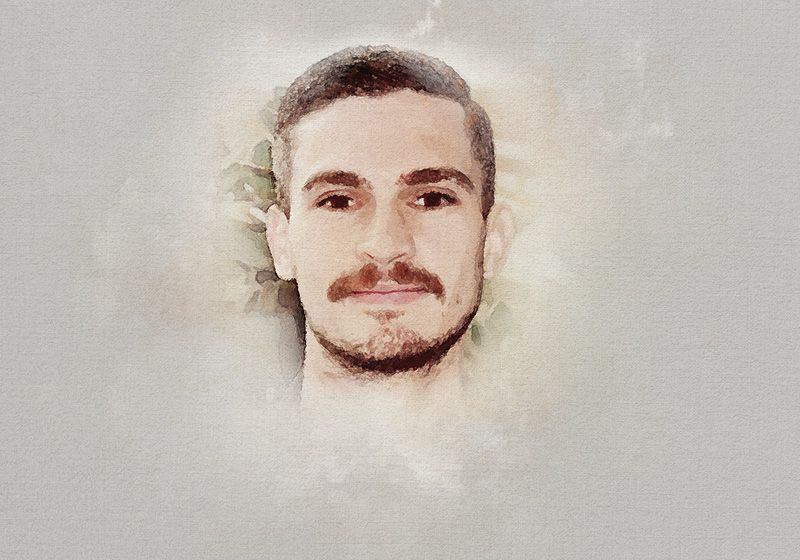
    Postdoc Portrait: Samuel Chagas | The Scientist

    adminBy adminNovember 18, 2025No Comments3 Mins Read
    Facebook Twitter Pinterest LinkedIn Tumblr WhatsApp VKontakte Email
    The Scientist Logo
    Share
    Facebook Twitter LinkedIn Pinterest Email

    Combining genetics, engineering, and environmental science, this postdoc develops cleaner ways to power vehicles and feed livestock.

    Image credit:©iStock, claudiodivizia

    Q | Write a brief introduction to yourself including the lab you work in and your research background.

    My name is Samuel Chagas, and I’m an environmental engineer working in the Smith Lab at the University of Wisconsin-Madison. We study the plant cell wall and lignin biosynthesis using genetic approaches. Our main goal is to develop more digestible biomass for biofuels, bioproducts, and dairy sustainability.

    Q | How did you first get interested in science and/or your field of research?

    I was always curious about science and how nature works. The complexity of nature and the fine adjustment that makes life possible on our planet have amazed me since high school. At that time, I was really into chemistry and biology, and combining those interests with engineering made me choose my bachelor’s in environmental engineering.

    During my graduation, climate change and biofuels were new topics, and I was interested in how plants could be converted to be used for fuels instead of fossil fuels. Right after, during my master’s and PhD, I dove into biofuel production and genetic approaches for biomass improvement, aiming to increase the digestibility of biomass.

    Continue reading below…

    Like this story? Sign up for FREE Genetics updates:

    Latest science news storiesTopic-tailored resources and eventsCustomized newsletter content

    Subscribe

    The ability to alter plant genetics amazed me once again—it opened up a new world of possibilities for improving lives and protecting the planet.

    Q | Tell us about your favorite research project you’re working on.

    Currently, I’m working on projects focused on improving the digestibility of biomass to produce biofuels, bioproducts, and to enhance dairy sustainability. We select genes to increase or decrease their activity, aiming to change the cell wall composition. Accessing the resources available in the plant cell wall is not an easy task. So, we use genetic modification to make biomass more accessible for industrial conversion into valuable compounds, such as sugars for biofuel production and other high-value chemicals.

    The main hypothesis is that if we change the composition of lignin—a barrier to access the sugars—making it more soluble, or easy to remove, we can decrease the amount of energy required during the industrial process. Reducing the energy consumption could improve the efficiency of biofuels production, that can be used in cars and airplanes.

    Continue reading below…

    For dairy sustainability, the idea is similar, but with a different goal: improving digestibility can reduce gas emissions, and increase productivity, well-being, and health of the animals, with more digestible feedstocks for animal consumption.

    Q | What do you find most exciting about your research project?

    The most exciting thing is discovering new ways to improve our lives. I think that the big dream of most scientists is to see their research being used to help our society grow. We are always looking for scientific questions that need answers but also seek problems that we have to solve urgently. I’m also very excited that I have opportunities to collaborate with other scientists in different areas. For example, currently, working with people in animal science is exciting because I have the chance to see a completely different research topic and experiments that could be useful for my projects, and we can work together to find the answers we are looking for.

    Are you a researcher who would like to be featured in the “Postdoc Portraits” series? Send in your application here.

    Chagas Portrait Postdoc Samuel Scientist
    Share. Facebook Twitter Pinterest LinkedIn Tumblr WhatsApp Email
    Previous ArticleIs Cabbage Good for Weight Loss? Benefits, Diet, and Recipes
    Next Article Studies Identify 2 Unexpected Nondrug Remedies
    admin
    • Website

    Related Posts

    A Video Report from AGBT

    February 27, 2026

    Novo Nordisk, Vivtex Ink Up to $2.1B Deal to Develop Oral Biologics for Metabolic Conditions

    February 27, 2026

    Increasing Rice Yields with Gene-Informed Selective Breeding

    February 27, 2026

    Mutant p53 Selective Reactivation Demonstrated in Advanced Solid Tumors

    February 27, 2026
    Leave A Reply Cancel Reply

    Our Picks

    9 Time-Saving Kitchen Gadgets for Fall at Amazon

    September 5, 2025

    Why Exercise Is So Important For Heart Health, From An MD

    September 5, 2025

    An Engineered Protein Helps Phagocytes Gobble Up Diseased Cells

    September 5, 2025

    How To Get Rid Of Hangnails + Causes From Experts

    September 5, 2025
    • Facebook
    • Twitter
    • Pinterest
    • Instagram
    • YouTube
    • Vimeo
    Don't Miss
    Longevity

    Nautilus debuts Voyager platform in push toward next-gen proteomics

    By adminMarch 1, 20260

    Company’s new benchtop system promises a clearer view of proteins following validation at a leading…

    First-in-Human Success for Prenatal Stem Cell Therapy in Spina Bifida

    February 28, 2026

    Pressure-Driven Pathway Links Liver Congestion to Fibrosis and Cancer

    February 28, 2026

    A cellular atlas of aging comes into focus

    February 28, 2026

    Subscribe to Updates

    Get the latest creative news from SmartMag about art & design.

    About Us

    At FineGut, our mission is simple: to enhance your self-awareness when it comes to your gut health. We believe that a healthy gut is the foundation of overall well-being, and understanding the brain–gut connection can truly transform the way you live.

    Our Picks

    9 Time-Saving Kitchen Gadgets for Fall at Amazon

    September 5, 2025

    Why Exercise Is So Important For Heart Health, From An MD

    September 5, 2025

    An Engineered Protein Helps Phagocytes Gobble Up Diseased Cells

    September 5, 2025
    Gut Health

    Nautilus debuts Voyager platform in push toward next-gen proteomics

    March 1, 2026

    First-in-Human Success for Prenatal Stem Cell Therapy in Spina Bifida

    February 28, 2026

    Pressure-Driven Pathway Links Liver Congestion to Fibrosis and Cancer

    February 28, 2026
    X (Twitter) YouTube
    • Contact us
    • Privacy Policy
    • Disclaimer
    • Terms and Conditions
    © 2026 finegut.com. Designed by Pro.

    Type above and press Enter to search. Press Esc to cancel.