
Close Menu
My Blog

    Subscribe to Updates

    Get the latest creative news from FooBar about art, design and business.

    What's Hot

    Nautilus debuts Voyager platform in push toward next-gen proteomics

    March 1, 2026

    First-in-Human Success for Prenatal Stem Cell Therapy in Spina Bifida

    February 28, 2026

    Pressure-Driven Pathway Links Liver Congestion to Fibrosis and Cancer

    February 28, 2026
    Facebook X (Twitter) Instagram
    X (Twitter) YouTube
    My BlogMy Blog
    Sunday, March 1
    • Home
    • About Us
    • Healthy Living
    • DNA & Genetics
    • Podcast
    • Shop
    My Blog
    Home»DNA & Genetics»Tough Moss Spores Weather Space’s Harsh Conditions
    DNA & Genetics

    Tough Moss Spores Weather Space’s Harsh Conditions

    adminBy adminNovember 20, 2025No Comments3 Mins Read
    Facebook Twitter Pinterest LinkedIn Tumblr WhatsApp VKontakte Email
    The Scientist Logo
    Share
    Facebook Twitter LinkedIn Pinterest Email

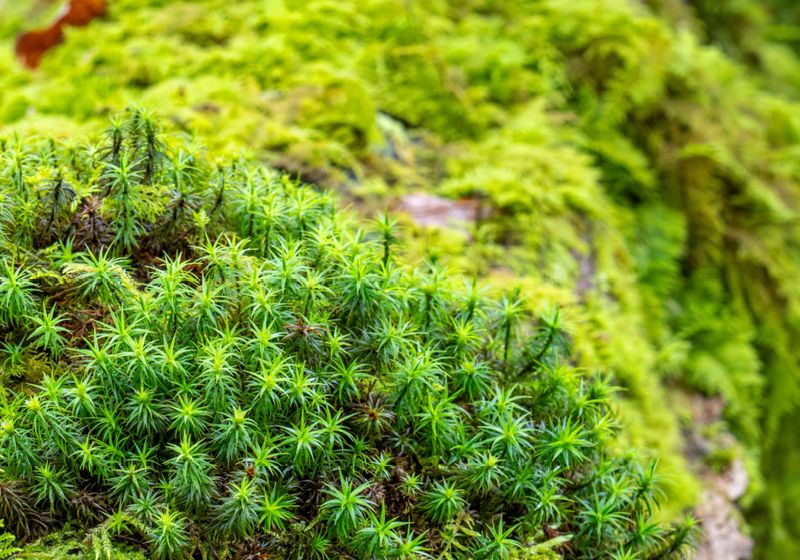
    Researchers found that moss sporophytes exhibit high resilience in both simulated and real space conditions, a promising insight for future space agriculture.

    Image credit:©iStock.com, Wirestock

    The tiny tardigrade is often hailed as one of the most resilient animals, but it’s far from the only organism capable of surviving extreme conditions. In fact, certain types of moss can endure everything from scorching heat to freezing cold, high levels of UV radiation, and much more here on Earth. But how would moss fare in space?

    This question motivated Tomomichi Fujita, a plant evolutionary and developmental biologist at Hokkaido University, to investigate the model moss Physcomitrium patens’ ability to endure space. The findings, published in iScience, demonstrated that the moss spores were highly resilient against UV radiation and extreme temperatures when exposed to space outside of the International Space Station (ISS).1 Not only did these spores survive for a grueling nine months, but they also retained their ability to germinate back on Earth. “Ultimately, we hope this work opens a new frontier toward constructing ecosystems in extraterrestrial environments such as the Moon and Mars,” said Fujita in a press release.

    Continue reading below…

    Like this story? Sign up for FREE Cell Biology updates:

    Latest science news storiesTopic-tailored resources and eventsCustomized newsletter content

    Subscribe

    First, Fujita and his colleagues subjected P. patens to a simulated space environment which included high levels of UV radiation, extreme temperature fluctuations, and vacuum conditions. They studied three different moss tissues: protenemata, or juvenile moss; brood cells, or specialized stem cells that emerge under stress conditions; and sporophytes, or encapsulated spores.

    Of these, the juvenile moss succumbed to the harsh conditions, while the brood cells fared only slightly better. However, the sporophytes were the most resilient. Notably, the encapsulated spores exhibited approximately 1,000 times more tolerance to UV radiation than the brood cells. The researchers noted that this structure may provide a protective barrier against the elements.

    The sporophytes survived nine months of three different space conditions, exhibiting promising space survivability traits.

    Tomomichi Fujita

    With this in mind, the researchers prepared to send these spores into space aboard Cygnus NG-17. In March of 2022, they sent hundreds of sporophytes to the ISS, where astronauts attached the samples to the outside structure. The moss endured three different conditions for nine months within a two-layered space exposure unit: space darkness (samples in the bottom section that are not exposed to light), space exposure (samples in the top section exposed to light) with a UV-blocking filter, and space exposure without a UV filter.

    Continue reading below…

    Back on Earth, the researchers found that more than 80 percent of the spores survived across all three groups. Of these, the space exposure with UV group had the lowest germination rate (86 percent). This suggested that visible and infrared light have negligible effects on germination, whereas UV radiation was more of a detrimental factor. “We expected almost zero survival, but the result was the opposite: Most of the spores survived,” said Fujita in the statement. “We were genuinely astonished by the extraordinary durability of these tiny plant cells.”

    In addition, the researchers created a mathematical model to predict how long the spores could survive in space. It came up with approximately 15 years. While further research is needed to identify the factors that contribute to this resilience, the researchers hope that this work helps advance research for future endeavors in space agriculture on the Moon and Mars.

    Conditions Harsh Moss spaces Spores Tough weather
    Share. Facebook Twitter Pinterest LinkedIn Tumblr WhatsApp Email
    Previous ArticleI’ve Sat Through 20+ Psychic Readings & This Astrology App Still Surprised Me
    Next Article How To Make A Pumpkin Acai Smoothie & Health Benefits
    admin
    • Website

    Related Posts

    A Video Report from AGBT

    February 27, 2026

    Novo Nordisk, Vivtex Ink Up to $2.1B Deal to Develop Oral Biologics for Metabolic Conditions

    February 27, 2026

    Increasing Rice Yields with Gene-Informed Selective Breeding

    February 27, 2026

    Mutant p53 Selective Reactivation Demonstrated in Advanced Solid Tumors

    February 27, 2026
    Leave A Reply Cancel Reply

    Our Picks

    9 Time-Saving Kitchen Gadgets for Fall at Amazon

    September 5, 2025

    Why Exercise Is So Important For Heart Health, From An MD

    September 5, 2025

    An Engineered Protein Helps Phagocytes Gobble Up Diseased Cells

    September 5, 2025

    How To Get Rid Of Hangnails + Causes From Experts

    September 5, 2025
    • Facebook
    • Twitter
    • Pinterest
    • Instagram
    • YouTube
    • Vimeo
    Don't Miss
    Longevity

    Nautilus debuts Voyager platform in push toward next-gen proteomics

    By adminMarch 1, 20260

    Company’s new benchtop system promises a clearer view of proteins following validation at a leading…

    First-in-Human Success for Prenatal Stem Cell Therapy in Spina Bifida

    February 28, 2026

    Pressure-Driven Pathway Links Liver Congestion to Fibrosis and Cancer

    February 28, 2026

    A cellular atlas of aging comes into focus

    February 28, 2026

    Subscribe to Updates

    Get the latest creative news from SmartMag about art & design.

    About Us

    At FineGut, our mission is simple: to enhance your self-awareness when it comes to your gut health. We believe that a healthy gut is the foundation of overall well-being, and understanding the brain–gut connection can truly transform the way you live.

    Our Picks

    9 Time-Saving Kitchen Gadgets for Fall at Amazon

    September 5, 2025

    Why Exercise Is So Important For Heart Health, From An MD

    September 5, 2025

    An Engineered Protein Helps Phagocytes Gobble Up Diseased Cells

    September 5, 2025
    Gut Health

    Nautilus debuts Voyager platform in push toward next-gen proteomics

    March 1, 2026

    First-in-Human Success for Prenatal Stem Cell Therapy in Spina Bifida

    February 28, 2026

    Pressure-Driven Pathway Links Liver Congestion to Fibrosis and Cancer

    February 28, 2026
    X (Twitter) YouTube
    • Contact us
    • Privacy Policy
    • Disclaimer
    • Terms and Conditions
    © 2026 finegut.com. Designed by Pro.

    Type above and press Enter to search. Press Esc to cancel.