
Close Menu
My Blog

    Subscribe to Updates

    Get the latest creative news from FooBar about art, design and business.

    What's Hot

    Nautilus debuts Voyager platform in push toward next-gen proteomics

    March 1, 2026

    First-in-Human Success for Prenatal Stem Cell Therapy in Spina Bifida

    February 28, 2026

    Pressure-Driven Pathway Links Liver Congestion to Fibrosis and Cancer

    February 28, 2026
    Facebook X (Twitter) Instagram
    X (Twitter) YouTube
    My BlogMy Blog
    Sunday, March 1
    • Home
    • About Us
    • Healthy Living
    • DNA & Genetics
    • Podcast
    • Shop
    My Blog
    Home»DNA & Genetics»Computational Modeling Tool Maps Gut Microbiome Effects on Health
    DNA & Genetics

    Computational Modeling Tool Maps Gut Microbiome Effects on Health

    adminBy adminNovember 20, 2025No Comments3 Mins Read
    Facebook Twitter Pinterest LinkedIn Tumblr WhatsApp VKontakte Email
    Computational Modeling Tool Maps Gut Microbiome Effects on Health
    Share
    Facebook Twitter LinkedIn Pinterest Email

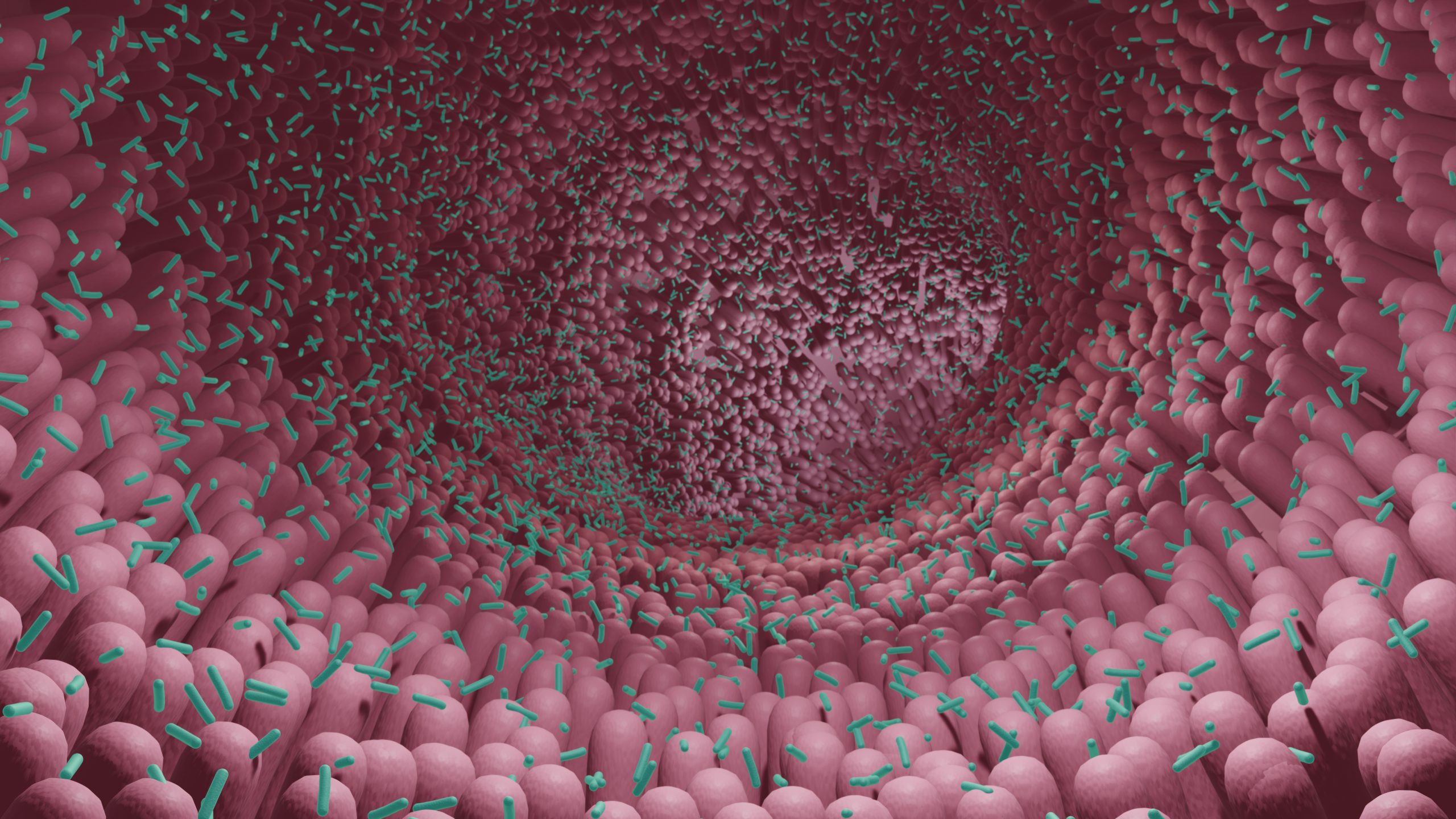
    Human microbiome, intestinal bacteria. [Artur Plawgo/Getty Images]

    Disturbances to the gut microbiome contribute to health conditions like inflammatory bowel disease (IBD). To better understand how those microbes interact with each other and their environment, scientists from the University of California, San Diego have developed a new tool called coralME that creates detailed genome-scale computational models of metabolism and gene and protein expression. Full details are provided in a new Cell Systems paper titled “Metabolism and gene expression models for the microbiome reveal how diet and metabolic dysbiosis impact disease.” 

    According to the developers, the so-called ME-models link a microbe’s genome to its phenotype and attributes. They highlight how microbes respond to certain nutrients such as which will increase the prevalence of a particular population and contribute to an imbalance in the microbiome. The models could also predict which nutrients are most favorable to microbe populations that are beneficial to the gut as well as which lead to the formation of undesired products such as allergens or toxins. 

    These genome-scale models “provide the mechanistic basis for understanding microbial behavior in complex environments,” said Karsten Zengler, PhD, professor of pediatrics at UC San Diego School of Medicine, and senior author on the paper. “For example, we see from the models that a microbe needs a certain amino acid, but it cannot make this amino acid itself, so it either gets it from another microbe, from the human host, or from the diet the human is eating.” 

    To demonstrate the value of coralME, the scientists generated 495 ME‑models that characterized some of the most common gut species. They then used the models to simulate how different diets affect gut bacteria. Among other findings,  low-iron or low-zinc diets allow certain harmful bacteria to survive, while diets high in certain macronutrients seem to promote beneficial ones. Importantly, these are effects that traditional computational models miss or would take years to model if done manually.

    When the models were fed microbial expression data from IBD patients, the scientists were able to observe what the microbes were doing in real time, noted Zengler, who is also affiliated with the Center for Microbiome Innovation at UC San Diego and an adjunct professor of bioengineering at the School of Engineering.

    Specifically, the team found that IBD patients experience shifts in gut chemistry, including more alkaline pH levels, but decreased production of short-chain fatty acids that normally protect the gut. They also identified specific bacteria and interactions between groups of bacteria linked to these changes. These results “show what the microbes are eating, what products they are making, and how they interact with other microbes and the host,” he said.  

    The scientists believe that insights gained from the models could lead to new ways to diagnose and treat conditions like IBD and others that affect the microbiome. Furthermore, there may be opportunities to develop personalized therapies that target specific microbial activities. “If we can accurately predict the response of the microbiome to any disease, we can understand the link between the disease and the microbiome and find a cure for the disease,” Zengler said.

    Beyond human disease, coralME could also be used to generate models of microbial communities found in soil, water, and other animals, the developers noted. 

    Computational effects Gut Health Maps microbiome Modeling Tool
    Share. Facebook Twitter Pinterest LinkedIn Tumblr WhatsApp Email
    Previous ArticleGut Bacteria Deplete Macrophages to Drive Ulcerative Colitis
    Next Article Bacterial cooperative weaves sustainable rainbow materials
    admin
    • Website

    Related Posts

    A Video Report from AGBT

    February 27, 2026

    Novo Nordisk, Vivtex Ink Up to $2.1B Deal to Develop Oral Biologics for Metabolic Conditions

    February 27, 2026

    Increasing Rice Yields with Gene-Informed Selective Breeding

    February 27, 2026

    Mutant p53 Selective Reactivation Demonstrated in Advanced Solid Tumors

    February 27, 2026
    Leave A Reply Cancel Reply

    Our Picks

    9 Time-Saving Kitchen Gadgets for Fall at Amazon

    September 5, 2025

    Why Exercise Is So Important For Heart Health, From An MD

    September 5, 2025

    An Engineered Protein Helps Phagocytes Gobble Up Diseased Cells

    September 5, 2025

    How To Get Rid Of Hangnails + Causes From Experts

    September 5, 2025
    • Facebook
    • Twitter
    • Pinterest
    • Instagram
    • YouTube
    • Vimeo
    Don't Miss
    Longevity

    Nautilus debuts Voyager platform in push toward next-gen proteomics

    By adminMarch 1, 20260

    Company’s new benchtop system promises a clearer view of proteins following validation at a leading…

    First-in-Human Success for Prenatal Stem Cell Therapy in Spina Bifida

    February 28, 2026

    Pressure-Driven Pathway Links Liver Congestion to Fibrosis and Cancer

    February 28, 2026

    A cellular atlas of aging comes into focus

    February 28, 2026

    Subscribe to Updates

    Get the latest creative news from SmartMag about art & design.

    About Us

    At FineGut, our mission is simple: to enhance your self-awareness when it comes to your gut health. We believe that a healthy gut is the foundation of overall well-being, and understanding the brain–gut connection can truly transform the way you live.

    Our Picks

    9 Time-Saving Kitchen Gadgets for Fall at Amazon

    September 5, 2025

    Why Exercise Is So Important For Heart Health, From An MD

    September 5, 2025

    An Engineered Protein Helps Phagocytes Gobble Up Diseased Cells

    September 5, 2025
    Gut Health

    Nautilus debuts Voyager platform in push toward next-gen proteomics

    March 1, 2026

    First-in-Human Success for Prenatal Stem Cell Therapy in Spina Bifida

    February 28, 2026

    Pressure-Driven Pathway Links Liver Congestion to Fibrosis and Cancer

    February 28, 2026
    X (Twitter) YouTube
    • Contact us
    • Privacy Policy
    • Disclaimer
    • Terms and Conditions
    © 2026 finegut.com. Designed by Pro.

    Type above and press Enter to search. Press Esc to cancel.