

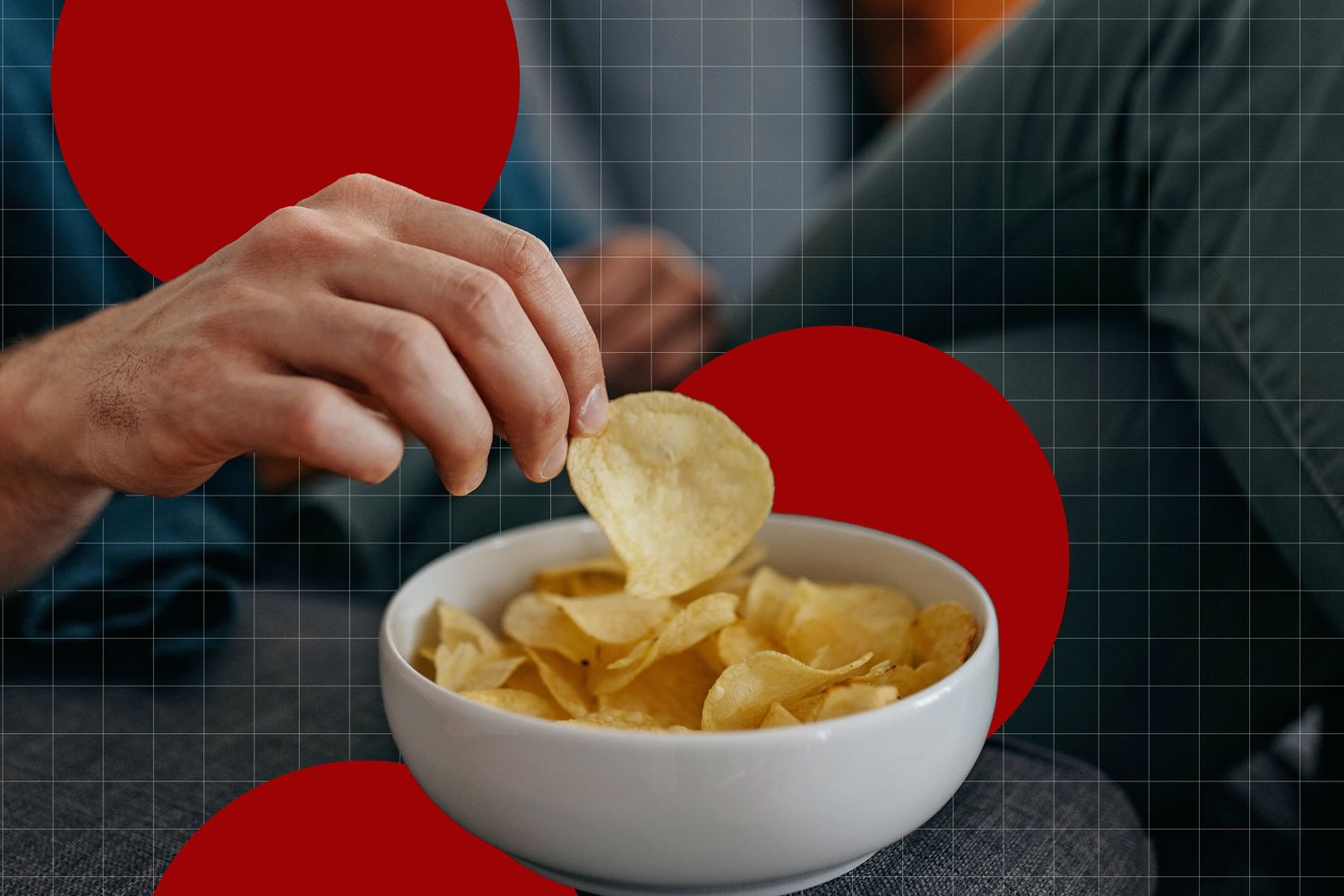
- Turning 50 is a great time to start making healthier food choices to support aging.
- Though no food is completely off-limits, keep fried, sugary, salty and refined foods as occasional treats.
- Eating more fiber, lean proteins, healthy fats and colorful produce can support healthy aging.
Prioritizing your health is important at any age, but if you’ve been putting healthy habits on the back burner, turning 50 can be the nudge you need to start making some changes that stick. While you may not feel that different from how you did in your 40s, subtle shifts in your body are often on the horizon. “Turns out, we don’t age slow and steady—we age in spurts. That’ll feel familiar from adolescence, but it’s also true around age 50,” says Maggie Moon, M.S., RD.
Along with the physical signs of aging—like gray hairs or new lines—your nutrient needs evolve too, making a balanced diet more important than ever. “Foods most associated with healthy aging in the U.S. are fruits, vegetables, whole grains, unsaturated fats, nuts, beans and low-fat dairy,” says Moon. While no food is completely off limits, there are a few foods you may want to enjoy less often after 50 to help you feel your best in this new decade of life and beyond. Read on to find out five foods dietitians recommend saving for special occasions.
1. Deep-Fried Foods
Though it’s less obvious than graying hair, aging has a meaningful impact on your heart, too. It’s common for risk factors like high blood pressure or gradual weight gain to creep up in your 50s, which can raise your risk of heart disease.
To help keep your heart in tip-top shape, dietitians recommend cutting back on deep-fried foods, which tend to be high in calories, unhealthy fats and inflammation-promoting compounds. “Making a habit of deep-fried foods raises cholesterol, inflammation and the risk of heart disease,” explains Moon. “The more fried foods we eat, the greater the risk for stroke and heart failure.”
Deep-fried foods don’t need to disappear entirely, but it’s wise to treat them as an occasional indulgence—your heart will appreciate the extra care.
2. Sugar-Sweetened Beverages
Sugar-sweetened beverages are the leading source of added sugar in the American diet, with nearly two-thirds of adults sipping at least one per day. While an occasional soda won’t derail your health goals, drinking them regularly can raise your risk of heart disease, diabetes and other chronic conditions as you age.
Emerging research also links excess sugar intake to a higher risk of dementia later in life—a condition marked by serious memory loss and cognitive decline. In one study, adults with the highest sugar intake had a 43% higher risk of developing dementia compared to those who consumed the least added sugar.
Sugar shows up in plenty of foods, but cutting back on sugary drinks is one of the easiest and most effective ways to meaningfully reduce your added sugar intake.
3. Salty Foods
Salt is another nutrient that can take a toll on your heart—especially when consumed in excess for years or even decades. Contrary to popular belief, ditching the salt shaker isn’t the most effective way to cut back. The biggest sources of salt in the diet actually come from ultra-processed foods like canned soups, processed meats, salty snacks, sauces and condiments. “It’s important to cut back on salty [foods] that can drive up blood pressure since mid-life hypertension is linked to later-life cognitive decline and risk for dementia,” says Moon.
Adults are advised to stay below 2,300 milligrams (mg) of sodium per day, yet most adults exceed that amount by more than 1,000 mg. So if you’ve never paid attention to the sodium in your go-to foods before, now’s a great time to start. Generally, foods with less than 5% of the daily value (DV) for sodium are considered low, while those with 20% DV or more are considered high. Since sodium is found in so many foods, reviewing nutrition labels is key when following a heart-healthy diet.
4. Refined Breads
Whether it’s peanut butter and jelly or turkey and cheese, sandwiches make for a quick, easy meal—but the type of bread you choose can play a meaningful role in healthy aging. “Most packaged bread is high in refined carbs and low in fiber, which can spike your blood sugar,” says Anne Danahy, RDN. Those big swings in blood sugar over time can increase the risk of insulin resistance, which is linked with poorer brain health and cognitive impairment.
Luckily, a simple bread swap can make a big difference if sandwiches are a staple for you. “When you buy bread, look for whole-grain varieties with at least 4 grams of fiber per slice,” she suggests. Whole grains take longer to digest, helping to provide steady energy and keep blood sugar stable. For an extra fiber boost, load your sandwiches with veggies or enjoy them on the side.
5. Alcohol
While you’re absolutely entitled to a celebratory drink on your 50th birthday, you might notice it hits harder than it used to. “Your body becomes less efficient at metabolizing alcohol as you age, so alcohol’s effects can be more severe and longer-lasting,” says Danahy. Regular alcohol consumption tends to do more harm than good at any age, but its impact becomes even more pronounced after 50. Research shows that even one drink per day can reduce gray matter in the brain—a change that may contribute to cognitive decline.
Excessive alcohol can also interfere with your bones’ ability to absorb the calcium they need to stay strong. That’s especially concerning in your 50s, since osteopenia and osteoporosis risks begin to rise, says Moon. On top of that, alcoholic beverages add extra calories that may be harder to burn off as your metabolism slows with age. “Many postmenopausal women who struggle to lose belly fat are pleasantly surprised by how much easier it is to lose weight when they eliminate their nightly glass of wine,” says Danahy.
What to Focus On Instead
Now that we’ve covered the bases on foods to limit after turning 50, you may be wondering what you should eat more of. Here are some healthy eating habits to prioritize so you can feel your best in the years ahead.
- Eat the Rainbow. Inflammation plays a role in many chronic diseases, from heart disease to dementia. One of the most effective ways to combat it is by including plenty of antioxidant-rich foods in your diet. A good rule of thumb is to eat a variety of colorful fruits and vegetables, as each color provides different inflammation-fighting phytochemicals. Try incorporating a few of these antioxidant-rich dinners into your weekly meal plan.
- Prioritize Lean Protein. Lean meats and plant-based proteins help to preserve lean muscle mass and support bone health, two important aspects of aging.
- Stock up on Beans. Growing evidence suggests that the gut microbiome plays a key role in healthy aging, and beans are the perfect food to support it. Keep your pantry stocked with a variety of canned beans to boost the fiber in your meals. This bean recipe roundup offers creative ways to use them—from breakfast to dessert.
- Snack on Nuts. Nuts aren’t just a convenient snack or crunchy topping for your morning oats; they’re packed with nutrients that support healthy aging. For example, emerging research suggests that regularly eating walnuts is linked with better overall health as you age.
Our Expert Take
There may be no fountain of youth, but adopting healthier habits in your 50s is a smart way to slow down the aging process and feel your best. A well-balanced diet is a key piece of that puzzle. While no foods are totally off limits, it’s wise to enjoy fried foods, salty snacks, sugar-sweetened beverages, alcohol and refined breads only on special occasions. Start small and make swaps that feel sustainable—it will pay off in the long run.
