

What Are Body Lice? What They Are There are three types of lice that live off of humans: head lice, pubic lice, and body lice. While they are all flat, wingless, parasitic insects, there are some key differences. Body lice ( Pediculus humanus corporis ), for instance, are the only variety of lice known to spread disease. ( 1 ) Also, while body lice do feed off of human blood like the others, they don’t actually reside on the body. Instead, body lice lay their eggs on or near the seams of clothing and bedding, and simply crawl onto the skin several times a day to feed. ( 2 )
What Do Body Lice Look Like? What They Look Like Body lice, like head lice, can be found in three different stages: the egg (or nit), the nymph (the young louse), and the adult. Lice nits are oval in shape and have either a yellowish or a whitish color. Nits are most often found in the seams of an infested person’s clothing, such as under the armpits or around the waist. Body lice nits may take one to two weeks to hatch into nymphs, which feed off of human blood. After another 9 to 12 days, give or take, the nymph matures to an adult louse. An adult has six legs, complete with claws; is a tan or greyish-white color; and requires blood to survive. Because body lice are typically larger than head lice (which are roughly 2 to 3 millimeters long) they’re generally easier to see. ( 3 )
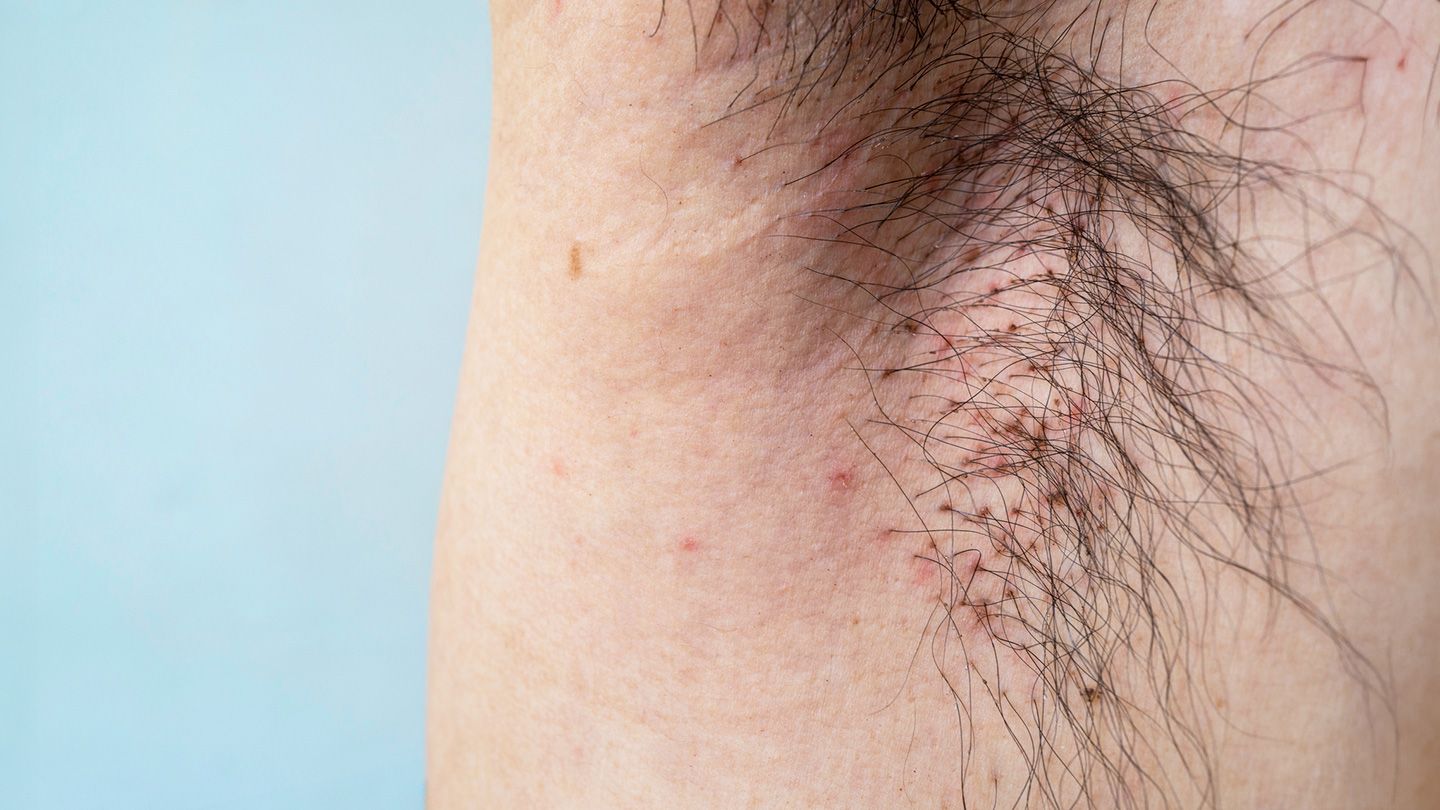
What Are the Signs and Symptoms of Body Lice? Signs and Symptoms Those who are dealing with a body lice infestation will notice tiny, red, pinpoint bites on the body, most commonly on the areas where clothing seams touch skin, such as around the neck, shoulders, armpits, waist, and groin area. (1, 4 ) The biggest clue that you may be dealing with a body lice infestation is the intense itching, called “pruritus.” A rash, caused by an allergic reaction to body lice bites, may also be present. (2) At times, itching the bites can cause sores, which can become infected with bacteria or fungi, causing secondary infections. For those who have been struggling with a body lice infestation for an extended period of time, the waist to upper thigh area may become thickened and discolored blue-gray due to the bites. This condition is called vagabond’s disease. While body lice eggs and lice are usually found in the seams of clothing or on the bedding used by the infested person, occasionally body lice can be spotted on the body while feeding. And although body lice nits can sometimes attach to body hair, lice found on the head and scalp are usually head lice. (2)
How Is Body Lice Discovered and Diagnosed? Diagnosis Body lice is usually diagnosed once viable body lice eggs and live, active lice are found in the seams of clothing. At times, body lice are spotted crawling or feeding on the skin. Although body lice are small, they can be seen by the naked eye. A magnifying glass can help you zero in on body lice or lice nits. ( 5 )
How Is Body Lice Spread From Person to Person? How It Spreads Just like head lice, body lice cannot hop nor fly. Instead, body lice can rapidly spread through close physical contact with a person who has body lice — or via direct contact with clothing, beds, bed linens, or towels that were used by a person with body lice. Dogs, cats, and other animals do not spread body lice. (5)
What Populations Are Most Likely to Get a Case of Body Lice? Who Gets It While body lice exists worldwide and impacts people of all races, infestations usually affect individuals who live in very crowded conditions, and whose circumstances do not allow for laundry or regular (at least weekly) showers or baths. (2) In the United States, body lice infestations are most often found within the homeless population. (2) (Sheltered homeless populations in developed countries report that 11 to 22 percent of the population has a body lice infestation.) ( 6 ) Others impacted can include war refugees and victims of natural disasters. (2)
How Worrisome or Dangerous Is a Body Lice Infestation? When to Worry Body lice infestations usually cause minimal problems. But under certain circumstances, body lice can spread some bacterial diseases, such as epidemic typhus, trench fever, and louse-borne relapsing fever. (2) These diseases are spread when an infested person scratches parasite feces into their skin. ( 7 ) While louse-borne typhus isn’t a common issue, outbreaks do still happen where chronic poverty, social customs, natural or man-made disasters, or war prevent regular laundering and changing of clothes. (2)
How to Successfully Treat a Case of Body Lice How to Treat It Because body lice reside in clothing and bed linens — not on the individual — medication is usually not used to treat a body lice infestation. Here’s what to do instead: Treat skin irritations at the physician’s office. Wash or replace clothes and linens. Because body lice may live in clothing, bedding, and towels for up to 10 days without a blood meal, those who are infested must replace or decontaminate their clothes, towels, and bed linens by thoroughly washing and drying the items at high temperatures. (7) The wash should be set at least 130 degrees F, with the dryer at 149 degrees F, minimum. (4, 8 ) The temperature is critical, as soap and water alone will not kill body lice. ( 9 ) Dry-clean or seal up the rest. Clothing and other items that aren’t machine washable can be either dry-cleaned or placed inside a tightly sealed plastic bag for two weeks. ( 10 ) Use an iron, too. Mattresses and upholstered furniture should either be hot ironed or sprayed with lice-killing products to eliminate body lice eggs from the seams. (Avoid exposure to these infested items for two weeks.) ( 11 ) Consider insecticides. In some cases where there is a risk for epidemic typhus, chemical insecticides may also be used. (10) Improve hygiene. An individual with body lice must be able to regularly change into clean clothes and improve their personal hygiene by bathing at least once a week. Body lice infestations are extremely unlikely to persist on any individual who bathes regularly and who has at least weekly access to freshly laundered clothing and bedding. (8) Use permethrin cream. In extreme infestations, head-to-toe application of a 5 percent permethrin cream is recommended for 8 to 14 hours.
Subscribe to Updates
Get the latest creative news from FooBar about art, design and business.
Everything You Need to Know About Body Lice, Including Symptoms and Treatments
Previous Article10+ High-Protein Thanksgiving Recipes
Next Article Aging biomarker science widens its scope
