

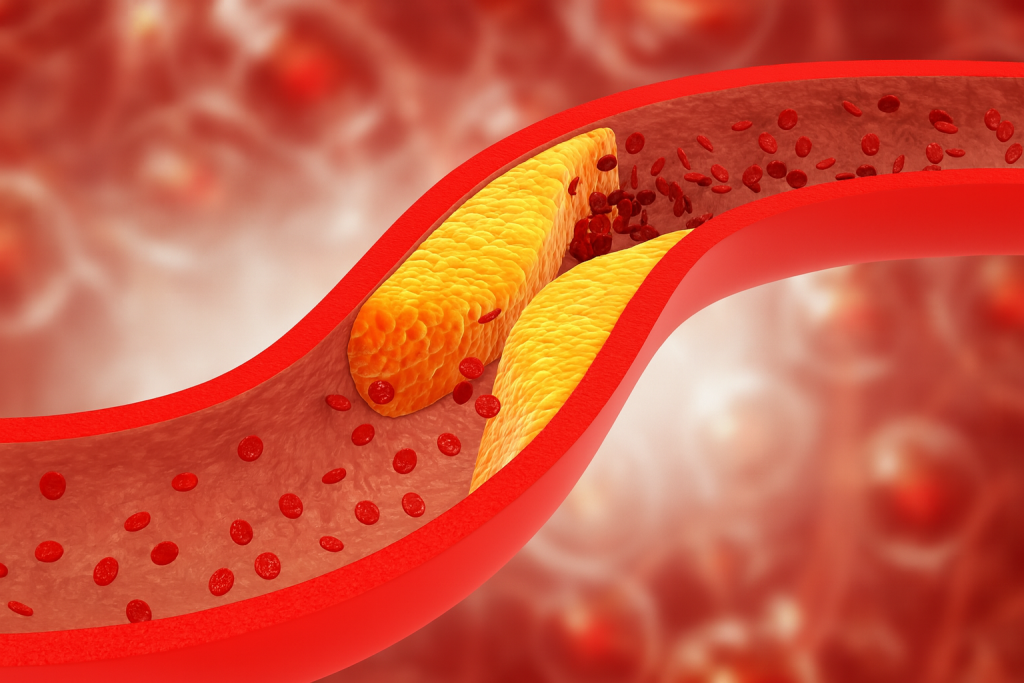
AGC Biologics and Repair Bio partner to develop an mRNA therapy that shrinks arterial plaques and reduces heart attack risk.
Global CDMO AGC Biologics has entered into a new partnership with Repair Biotechnologies to develop an mRNA therapeutic that targets one of the world’s deadliest heart risks and medicine’s most stubborn challenges: atherosclerosis.
The therapy is designed to rapidly stabilize and reduce dangerous plaque deposits in major blood vessels, addressing the underlying driver of heart attacks and strokes – conditions responsible for an estimated 27% of all human mortality [1].
The collaboration highlights Repair Bio’s work on intracellular cholesterol breakdown, complemented by AGC Biologics’ established footprint in mRNA manufacturing. The goal is straightforward but ambitious: produce a clinical-grade, lipid nanoparticle-encapsulated mRNA therapy that can reach trials without the delays that often derail early-stage cardiovascular innovation.
Reason, CEO and cofounder of Repair Biotechnologies, said that for a new mRNA therapeutic tackling atherosclerotic cardiovascular disease, a robust manufacturing process is critical.
“We chose AGC Biologics because they have mastered the entire production chain for this class of therapeutics. That eliminates critical risks and delays, and gives us a reliable route to the GMP drug product needed for our clinical trials,” said Reason.
Repair Biotechnologies is developing therapies that target the longstanding problem of toxic free cholesterol within cells, a mechanism that directly contributes to plaque growth, metabolic dysfunction, and cardiovascular aging. The company’s approach seeks to break down intracellular cholesterol, which aims to reverse disease that has historically been viewed as progressive and irreversible.
For emerging companies working with mRNA platforms, manufacturing remains a significant bottleneck. AGC Biologics positions itself as a single-partner solution, covering the entire development chain: plasmid DNA blueprint, mRNA production, purification, and final formulation in lipid nanoparticles.
“For clients like Repair Biotechnologies, we can be the most cost-effective, reliable cGMP provider to take life-saving mRNA treatments from preclinical to commercial stages,” said Alberto Santagostino, CEO of AGC Biologics. “Our ‘friendly CDMO’ model is straightforward and economical, while never compromising on manufacturing quality.”
AGC Biologics’ Heidelberg facility, which previously supplied plasmid DNA for the Pfizer-BioNTech COVID-19 vaccine, is central to the partnership. The site uses single-use manufacturing systems to reduce timelines and increase flexibility, and operates under the European Medicines Agency (EMA) and FDA-compliant GMP standards.
Last year, Repair Biotechnologies advanced its LNP–mRNA platform designed to break down toxic intracellular cholesterol, a mechanism that current LDL-lowering therapies fail to address. Their findings set the stage for this new deal with AGC Biologics, which will provide end-to-end manufacturing for Repair Biotechnologies’ move toward first-in-human studies.
The partnership marks another step in the evolution of mRNA technology, which surged to prominence during the pandemic and is now expanding into the treatment of chronic and age-related diseases.
Repair Biotechnologies’ candidate applies mRNA to a different set of targets: metabolic dysfunctions that accelerate cardiovascular decline, obesity and age-associated deterioration.
By enabling cells to break down toxic intracellular cholesterol, the therapy aims to reduce the size and instability of arterial plaques, addressing the root cause of acute cardiovascular events rather than simply managing downstream risks. If successful, the approach could expand the therapeutic scope of mRNA into a category that has historically struggled with limited tools and slow progress.
Cardiovascular disease remains the world’s top killer despite decades of innovation in medicines, devices and public-health initiatives. Many current treatments slow disease progression but do not directly reverse plaque formation. Repair Biotechnologies’ work represents a push toward true disease modification, an area of increasing interest within aging and longevity research.
Both companies describe the collaboration as a convergence of expertise at a pivotal moment for the field. The shift from infectious-disease-focused mRNA to metabolic and cardiovascular applications is expected to widen the pipeline of candidates entering clinical development over the next decade.
[1] https://cks.nice.org.uk/topics/cvd-risk-assessment-management/background-information/burden-of-cvd/
