

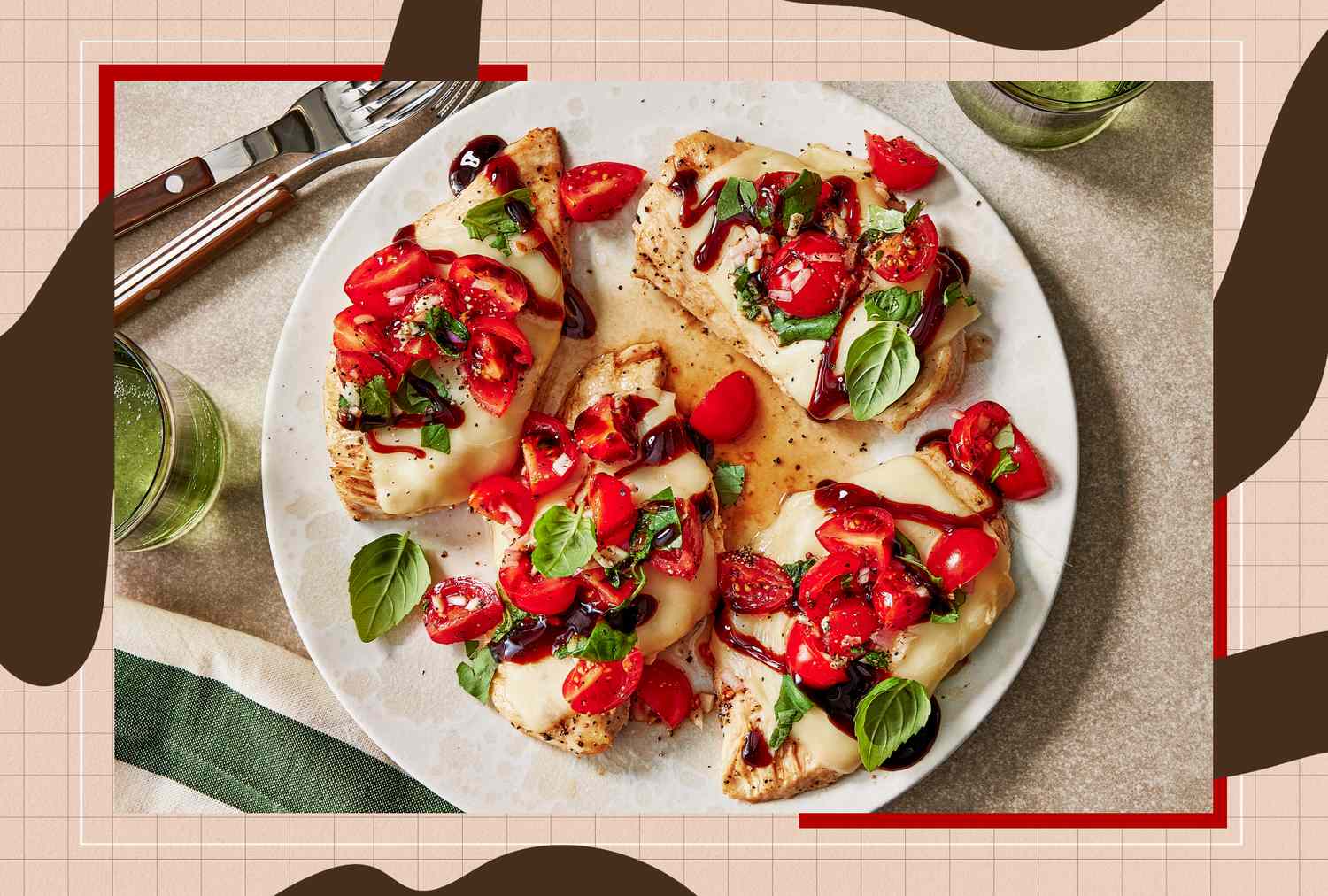
- Artisanal vinegars in bold, small-batch flavors are trending for taste and gut health.
- Vinegar adds brightness to drinks, sauces, sweets, and savory dishes alike.
- Stocking varied vinegars invites creativity—swap them for citrus or wine in recipes.
I remember my first taste of exceptional vinegar. At a gourmet store, where I was shopping for holiday treats, an employee handed me a tiny spoon glazed with viscous, molasses-colored liquid. “It’s Villa Manodori balsamic vinegar,” he said, “from Modena, Italy.”
This vinegar didn’t look like the thin stuff my mom put on her salads, and it didn’t taste like it, either. The syrupy liquid had robust fruity and woody notes and perfectly balanced sweetness and acidity. Its price matched its deliciousness, and I had to save up for my first bottle. I made it last by doling the balsamic out in dribs and drabs.
After seeing chefs Thomas Keller and Samin Nosrat opine that foods should routinely be seasoned with both salt and acidity, rather than salt and pepper, I’ve been adding vinegar to nearly everything I make, from mocktails to soups to desserts.
I still have a bottle of Villa Manodori on the shelf, and over the years, have become an aficionado of all sorts of other artisan vinegars, too. There are dozens of varieties in my kitchen, ranging from Japanese sweet potato vinegar to single-orchard cider vinegar to “hot honey” vinegar made with mead (a.k.a. honey wine) and heirloom chiles.
Creative New Uses for Vinegar
In its forecast for 2026 food and beverage trends, Whole Foods Market touted small-batch vinegars in “bold new flavors” as a delicious way to gain some health benefits.
According to Brooke Gil, Whole Foods’ Principal Category Merchant for vinegar and olive oil: “A lot of customers are moving toward ‘better for you’ options and easy ways to tweak their diet to improve their gut health. Vinegar has been widely recognized as a source for [supporting gut health] as well as a digestion aid.”
Furthermore, she explained, “There has been a new sense of excitement [among consumers] around vinegars that add flavor, complexity and additional benefits to salads and sparkling beverages!” She’s also been noticing chefs “calling out” fun dishes made with vinegar on restaurant menus.
Let’s dig into some of those creative ways to use vinegar, in addition to salad dressings.
1. Splash into Seltzer, a Cocktail or a Mocktail
Although she’s not down with sipping plain vinegar due to its harm to tooth enamel (yes, some people do it), Chris Crawford, who cooked at famed Bay Area restaurants including Chez Panisse and Mission Chinese, and owns TART Vinegar in Rhinebeck, NY, loves a splash of good vinegar in a glass of sparkling water. “What you’re trying to do is activate the digestive enzymes on your tongue,” she explained.
Drinking something more complex? Think about ways that a little bit of vinegar might brighten it up.
2. Make a Dipping Sauce
Chef and James Beard–nominated cookbook author Natasha Pickowicz grew up eating dumplings dunked in aromatic black vinegar and using both Bragg’s apple cider vinegar and rice vinegar in all sorts of dishes.
In her forthcoming book, Everyone Hot Pot, Pickowicz includes a whole chapter on dipping sauces made with her favorite vinegars, each of which brings something different to the table. “A rice vinegar is going to go with everything,” she said. “It’s the little black dress of Asian cooking…I [also] love the richness of black vinegar, it’s not as much about the acidity.”
3. Try a Chutney
Isaiah Billington, co-owner of Keepwell Vinegar in Dover, PA, learned to make vinegar when he was working as a pastry chef. Now, he and his partner make a living producing artisanal vinegar and miso, inspired by seasonal ingredients from area farms.
Billington says that vinegar is “always, always a foil for something else, frequently either sweetness or richness.” For example, he noted, a recipe for vinegar pie calls for the acidic ingredient to counterbalance a hefty dose of sugar in the custard filling. Carolina barbecue sauce uses vinegar to cut through the fattiness of pork shoulder.
One of Billington’s favorite venues for vinegars is in fruit chutney. He sweats onion in a little bit of oil, adds a mix of dried and fresh fruits, maybe some nuts, a sweetener, and vinegar. “You’re just sort of cooking it down to concentrate the sugars and bring the vinegar into focus,” he said.
4. Make a Base for Stews, Soups and Braises
French-style vinegar chicken, poulet au vinaigre, is another dish that Billington loves to make. He uses chicken thighs, and simmers them in a tangy sauce. German sauerbraten, he noted, is another classic dish that relies heavily on vinegar.
Crawford makes an umami-rich vinegar intended for use in soups. It’s a blend of her herb vinegar and another variety made with a combo of sea vegetables and maple syrup. She also likes to splash celery vinegar into a bowl of chicken soup.
5. Use As a Last-Minute Garnish
“When you’re working with a more delicate vinegar, I think of it as finishing vinegar,” said Crawford. “I would use it on top of a roast chicken, or in salsa verde, or in a mignonette for oysters.”
Pickowicz uses vinegar this way, too. “Vinegar over steamed fish makes it exciting and zippy,” she noted.
6. Brighten Up Icing and Frosting
Baking up some sweet treats? Consider vinegar as an alternative to citrus juices in icings and frostings. Pickowicz, for instance, uses colorful, flavorful vinegars mixed with powdered sugar as glazes for doughnuts, cookies and cakes.
“Flat icing, there’s nothing interesting about that,” she said. When she began listing liquids she could use in place of milk or lemon juice to zhuzh things up, she landed on vinegar. “I think I started with balsamic,” she recalled. “From there, I just couldn’t stop experimenting.” She suggested trying any fruit-based vinegar as a starting point, and just “playing around.”
7. Drizzle in (or on) Creamy Desserts
Gil likes “drizzling a dense traditional balsamic or fruit-infused balsamic glaze over ice cream,” and Pickowicz does the same with saba, which is a thick grape reduction similar to the one used to make balsamic vinegar. “All of the ingredients should be in harmony with each other so the final dish sings, making sure that vinegar isn’t just an afterthought,” she explained.
She also loves using vinegars in or on other creamy desserts, including panna cotta, rice pudding and bread pudding. “Anything that is rich and mouth coating,” she said. “Try it with a little vinegar and you’ll be blown away.
Infused Vinegar vs. Flavored Brewed Vinegar
One thing to keep an eye out for when shopping for vinegar is the difference between infused vinegar and vinegar brewed from interesting or unusual ingredients.
To make the former, something flavorful is steeped in or blended with already-made vinegar. These products could be made with artisanal vinegar as the base but could also be made with distilled white vinegar or mass-produced wine or cider vinegar. To learn more, check the label. An infused apple vinegar might list distilled vinegar as its first ingredient and apples as its second.
Flavored brewed vinegar, on the other hand, is made by fermenting a substance into alcohol and then doing a second fermentation to transform the alcohol into acetic acid. A brewed apple vinegar would likely list apples, apple mash or apple cider as its first ingredient.
Both types of vinegar can be wonderful, but they are different.
The Bottom Line
Unless you’re canning, in which case it’s critical to follow recipes to the tee, vinegar can be swapped in for other acidic ingredients such as wine, lemon juice or lime juice. Creating a pantry that includes a variety of vinegars allows cooks to be playful and experiment with adding different vinegars to dishes. Read labels to make sure you know what you’re getting…sometimes dressed-up distilled vinegar can masquerade as a fancy flavored product but could taste harsh. Most of all, don’t be afraid to do something you’ve never seen before…that’s how new dishes get invented.
