

NADMED introduces a $30,000 research award to support scientists exploring the metabolic signals that shape health, aging and disease.
As researchers race to understand how cells generate energy, age, malfunction and recover, one area has remained notoriously difficult to measure: redox metabolites, the chemical signals that reveal a cell’s real-time metabolic state. Now, Finnish biotech company NADMED is launching a new initiative to change that trajectory.
The NADMED Award 2026 is a global program offering up to $30,000 in metabolomics technology and expert collaboration. The goal is to give scientists, clinicians and biotech innovators the tools they need to uncover biological insights that have remained invisible until recently.
“The goal of the NADMED Award is to lower the barriers for scientists to explore what has until now been largely invisible in biology: the dynamics of redox metabolism,” said Kai Herdin, Chief Marketing Officer at NADMED. “By making our tools available to the research community, we want to accelerate discoveries that could transform how we understand cellular function and disease.”
Founded in 2022 as a University of Helsinki spinout, NADMED focuses on one of the most challenging problems in modern biology: accurately measuring key redox metabolites [1].
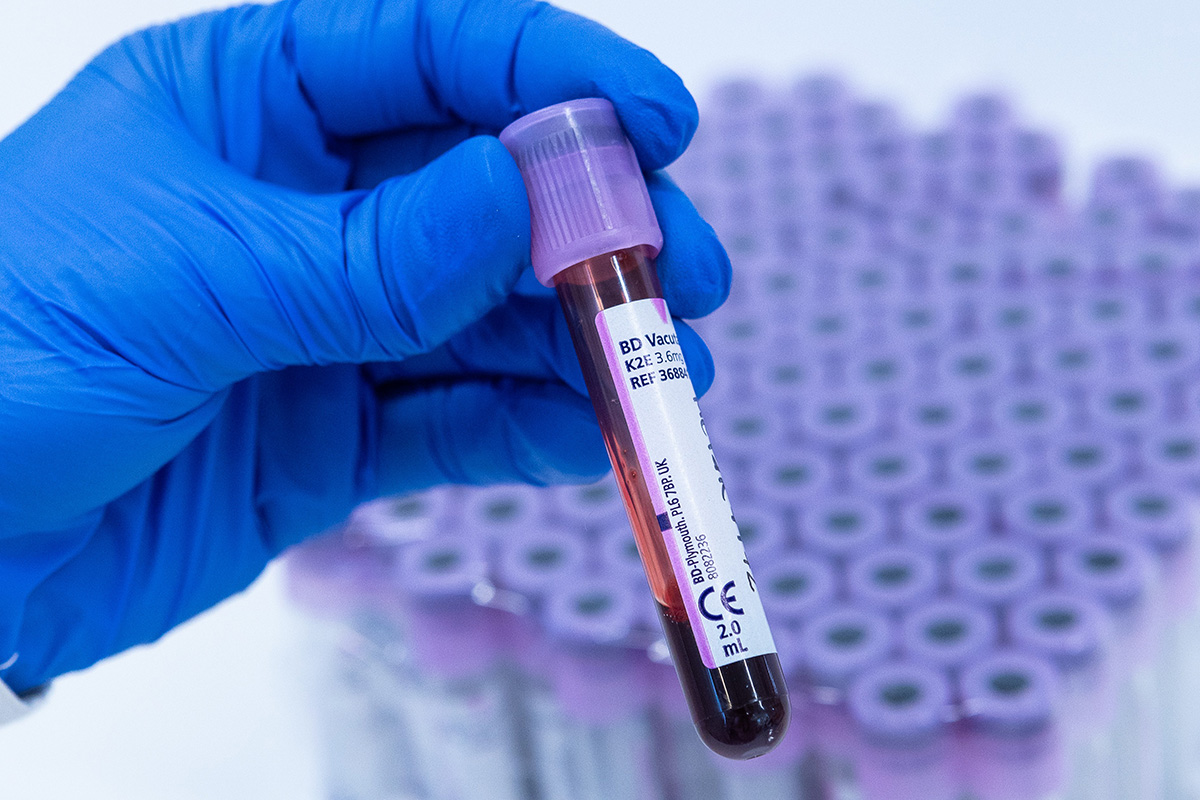
NADMED’s proprietary technology can quantify all four forms of NAD (NAD⁺, NADH, NADP⁺, NADPH) and glutathione (GSH and GSSG) directly from biological samples such as blood, something conventional mass spectrometry can’t do at the same speed or reproducibility. These molecules are central to energy production, inflammation, neurodegeneration and aging itself, yet have historically been nearly impossible to measure reliably.
“Redox metabolites are central to life, yet historically, they’ve been nearly impossible to measure reliably,” said Professor Charles Brenner, City of Hope researcher and member of the award jury. “NADMED’s technology is changing that, and this award is a powerful way to stimulate discovery across multiple fields of biology and medicine.”
The NADMED Award 2026 is open to academic institutions, clinical labs, pharmaceutical companies and biotech groups worldwide. A jury of global experts – including Brenner and Professor Rita Horvath, Director of Clinical Neurosciences at the University of Cambridge – will review all submissions.
Selected projects will receive a bespoke package valued at up to $30,000, including CE-marked metabolomics kits, expert consultation, in-house measurement services and access to NADMED’s proprietary analytical platform.
The award categories reflect different stages of discovery:
- Innovative Ideas – for early-stage concepts
- Advanced Research – for ongoing scientific exploration
- Clinical Data Research – for translational or patient-focused studies
Applications open 1–31 January 2026, with winners announced on 28 February 2026. Projects will run from March 2026 through March 2027.
Metabolomics, the study of the chemical fingerprints that cells produce, is becoming central to precision medicine. But redox metabolites have been a bottleneck: difficult to stabilize, harder to quantify and even harder to compare across labs.
By lowering the technical barrier, NADMED is giving researchers a way to link metabolic data to real-world biological outcomes, from mitochondrial disease to immune dysfunction, cancer metabolism and the aging process itself.
NADMED positions the award not as a marketing gesture but as a catalyst for long-term scientific acceleration.

“NADMED’s mission is to make redox biology accessible and measurable,” the company said. “Through initiatives like the NADMED Award, we want to advance the understanding of human health, disease mechanisms, and therapeutic development.”
For investors watching the maturation of metabolomics and precision diagnostics, NADMED’s move signals confidence in a sector poised for growth. With aging populations, metabolic diseases and neurodegeneration on the rise, technologies that quantify biological aging and cellular dysfunction could play a decisive role in future therapeutics.
NADMED’s award may be small in cost but big in consequence. Its structure – combining technology, expertise and validated metrics – effectively creates a global pipeline for discovering what next-generation diagnostics and therapeutics could look like.
Whether this sparks major breakthroughs or simply exposes what we’ve been missing, the message is clear that the next era of metabolic science belongs to the labs ready to measure what truly matters.
