

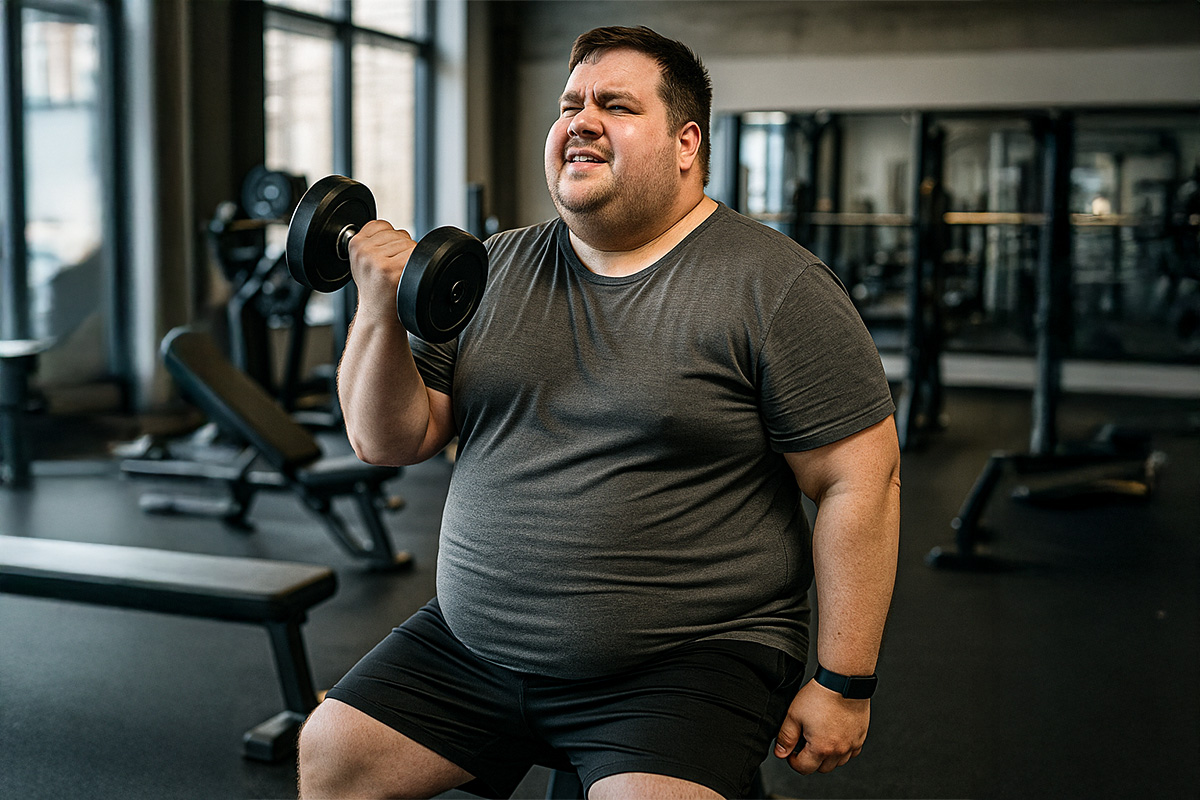
New MRI study shows hidden belly fat and muscle mass influence brain aging and may affect Alzheimer’s risk.
Want to keep your brain sharp as you age? New research presented at the Radiological Society of North America (RSNA) suggests that the balance between your muscle mass and visceral fat, the hidden fat around your organs, could play a major role in how old your brain looks [1].
Researchers scanned 1,164 healthy adults, average age 55, using whole-body MRI, which allowed them to measure muscle, fat, and brain structure in stunning detail. AI algorithms then estimated each participant’s “brain age,” a marker that shows whether the brain is biologically older or younger than chronological age.
Hidden belly fat ages the brain
The study revealed a clear pattern: participants with more visceral fat relative to their muscle tended to have older-looking brains. Conversely, higher muscle mass was linked to younger-looking brains. Interestingly, subcutaneous fat, the fat just under the skin, showed no impact on brain age.
“Visceral fat drives inflammation and metabolic stress throughout the body, and those same processes can accelerate changes in the brain,” explained Dr Cyrus Raji, lead study author and neuroimaging scientist at Washington University School of Medicine. “At the same time, low muscle mass reduces metabolic resilience and is tied to frailty and hormonal changes that may negatively affect brain structure.”
It’s not just about aesthetics or lifting heavier weights. Muscle mass serves as a critical marker of overall metabolic health, which in turn supports a healthier brain.
“Loss of muscle often occurs alongside inflammation and obesity – both known risk factors for Alzheimer’s disease,” Raji said. “By showing that more muscle correlates with a younger brain, our results highlight muscle maintenance as a realistic target to support brain health.”
The research highlights a key difference: not all fat is created equal. While subcutaneous fat may be less harmful, visceral fat surrounds vital organs and is metabolically active, releasing molecules that trigger inflammation. Chronic inflammation is a known accelerator of brain aging and is linked to Alzheimer’s disease.
Hidden belly fat is the stealth contributor to an older-looking brain. It’s biologically active, creates stress on metabolism and is strongly tied to brain aging, unlike fat under the skin.
Actionable strategies for a younger brain
So, what can you do? Experts suggest practical ways to improve your muscle-to-visceral-fat ratio. Resistance training, regular aerobic exercise, and balanced nutrition can all help preserve muscle and reduce visceral fat.
Even modest changes – like adding strength-training sessions twice a week and cutting back on ultra-processed foods – may improve your brain age over time.
Dr Manisha Parulekar, director of the Center for Memory Loss and Brain Health at Hackensack University Medical Center, emphasizes the empowering takeaway: “Interventions focused on increasing muscle mass and reducing visceral fat are achievable and provide tangible ways for people to protect their brain health over time.”
Implications for weight-loss medications
The study also has implications for popular weight-loss drugs like GLP-1 medications such as Mounjaro and Wegovy. While effective at reducing fat, these drugs may also lead to muscle loss.
“Losing fat – especially visceral fat – while preserving muscle volume would have the best benefit on brain aging,” Raji said [2]. MRI-based studies could help optimize dosing to maximize fat loss without harming muscle, ultimately protecting the brain.
Brain health is a lifestyle game
The research reinforces the link between body composition and brain health. Maintaining more muscle and reducing visceral fat isn’t just about looking fit; it’s about thinking fit. The evidence suggests that even middle-aged adults can take measurable steps to protect their brains.
Muscle mass and visceral fat are actionable targets. With the right interventions, people have the power to slow brain aging and potentially lower their risk of dementia in later life.
Ultimately, the study highlights a simple truth: your body and brain age together. More muscle, less hidden belly fat – it’s a dual strategy that’s achievable, measurable, and impactful.
Sustainable lifestyle choices can deliver measurable brain benefits. If you’re serious about staying sharp into your 70s and beyond, investing in muscle and trimming visceral fat is a prescription for longevity that no pill can fully replace.
[1] https://www.rsna.org/media/press/2025/2614
[2] https://nypost.com/2025/11/29/health/this-could-be-the-key-to-a-younger-healthier-brain/
