
Close Menu
My Blog

    Subscribe to Updates

    Get the latest creative news from FooBar about art, design and business.

    What's Hot

    Nautilus debuts Voyager platform in push toward next-gen proteomics

    March 1, 2026

    First-in-Human Success for Prenatal Stem Cell Therapy in Spina Bifida

    February 28, 2026

    Pressure-Driven Pathway Links Liver Congestion to Fibrosis and Cancer

    February 28, 2026
    Facebook X (Twitter) Instagram
    X (Twitter) YouTube
    My BlogMy Blog
    Sunday, March 1
    • Home
    • About Us
    • Healthy Living
    • DNA & Genetics
    • Podcast
    • Shop
    My Blog
    Home»DNA & Genetics»Failed Sperm Flagellar Development Drives Infertility
    DNA & Genetics

    Failed Sperm Flagellar Development Drives Infertility

    adminBy adminDecember 4, 2025No Comments3 Mins Read
    Facebook Twitter Pinterest LinkedIn Tumblr WhatsApp VKontakte Email
    The Scientist Logo
    Share
    Facebook Twitter LinkedIn Pinterest Email

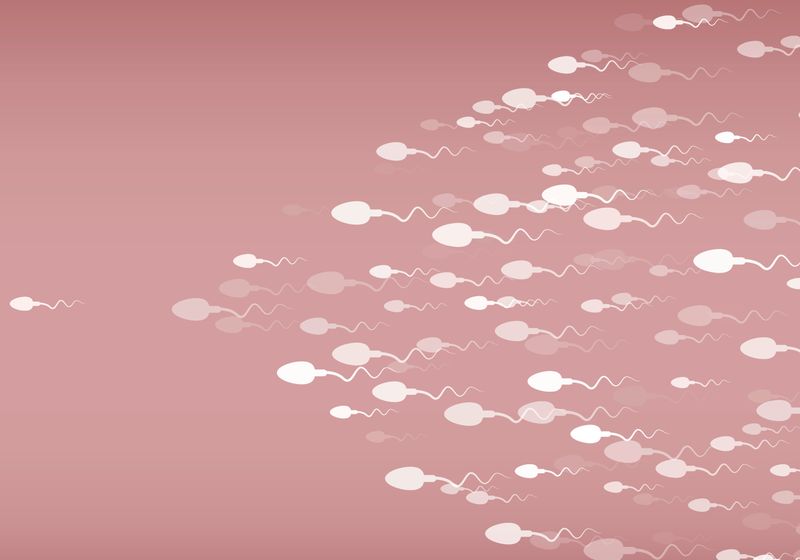
    Defects in centrioles of mice sperm prevented the formation of a proper flagellum that powers sperm motility, resulting in infertility.

    Image credit:© iStock.com, Andrei Apoev

    Nearly eight to 12 percent of couples all over the world face fertility issues, with male infertility accounting for almost 50 percent of the cases.1 A common cause of male infertility is errors during the development of sperm cells, or spermatogenesis, that impede sperm from swimming toward egg cells to fertilize them.

    The centriole, an organelle that forms the spindle fibers needed for cell division and flagella that power sperm motility, undergoes major changes during spermatogenesis, aiding in these processes.2 However, the ultrastructural changes—which are visible at higher magnifications—that occur in centrioles during spermatogenesis and the molecular mechanisms behind them remain unclear.

    Ultrastructure expansion microscopy of murine male germ cells revealed the fine molecular structures of centrioles (depicted in the enlarged image) against DNA (blue) and chromosome axis (red).

    RIKEN

    Now, researchers led by RIKEN Center for Biosystems Dynamics Research biologist Hiroki Shibuya applied an advanced microscopy technique and observed unexpected centriolar architectural changes in mouse germ cells during spermatogenesis.3 Their results, published in Science Advances, reveal a critical molecular mechanism that influences reproductive success.

    To peek into sperm cells, Shibuya and his team turned towards ultrastructure expansion microscopy. This technique involves embedding cells within a swellable polymer hydrogel and expanding this gel, allowing for the visualization of nanoscale structures at a high resolution. The researchers optimized this protocol for mouse sperm cells, which helped them observe the barrel-like morphology of centriolar microtubule structures.

    Continue reading below…

    Like this story? Sign up for FREE Cell Biology updates:

    Latest science news storiesTopic-tailored resources and eventsCustomized newsletter content

    Subscribe

    Tracing centrioles through each developmental stage of male germ cells revealed the gradual changes from spermatocytes to their next developmental stage, spermatids. The researchers fluorescently labeled two proteins important for assembling and maintaining the structure of the centriole: centrin and POC5. As sperm development progressed, they observed an increase in centrin-POC5 complexes in the inner scaffold within the centriole lumen at the distal tip of the sperm.

    To better understand the role of these centrin-POC5 complexes, Shibuya and his team generated Poc5 knockout mice using CRISPR-Cas9 genome editing. The epididymis—which connects the testicles to vas deferens—of these animals contained no sperm cells, which led to complete infertility.

    Microscopy revealed that POC5 depletion prevented the localization of centrin to the inner scaffold, and these spermatids lacked flagellar microtubules that would normally extend from the distal tip centrioles. In contrast, these structures were present in wild type (WT) spermatids, suggesting that absence of centrin-POC5 complexes impedes flagellar assembly.

    Continue reading below…

    Using immunofluorescence microscopy, the researchers observed that flagella began to emerge from distal tip centrioles in WT spermatids, progressively elongating as spermatid maturation proceeded. However, Poc5 knockout spermatids showed frayed and disorganized flagellum-like structures which eventually degenerated, explaining the infertility.

    “Our modified expansion microscopy protocol can be extended to other analyses, including human sperm, opening new possibilities for investigating fine structural abnormalities that account for male infertility,” said Shibuya in a statement. “In the long-term, this could lead to novel diagnostic and therapeutic approaches in reproductive medicine.”

    Development Drives failed Flagellar Infertility Sperm
    Share. Facebook Twitter Pinterest LinkedIn Tumblr WhatsApp Email
    Previous ArticleIs Chicken and Rice Healthy? Benefits, Risks, Nutrition & Variations
    Next Article Experimental Drug Boosts DNA Repair Response in Damaged Heart Tissue
    admin
    • Website

    Related Posts

    A Video Report from AGBT

    February 27, 2026

    Novo Nordisk, Vivtex Ink Up to $2.1B Deal to Develop Oral Biologics for Metabolic Conditions

    February 27, 2026

    Increasing Rice Yields with Gene-Informed Selective Breeding

    February 27, 2026

    Mutant p53 Selective Reactivation Demonstrated in Advanced Solid Tumors

    February 27, 2026
    Leave A Reply Cancel Reply

    Our Picks

    9 Time-Saving Kitchen Gadgets for Fall at Amazon

    September 5, 2025

    Why Exercise Is So Important For Heart Health, From An MD

    September 5, 2025

    An Engineered Protein Helps Phagocytes Gobble Up Diseased Cells

    September 5, 2025

    How To Get Rid Of Hangnails + Causes From Experts

    September 5, 2025
    • Facebook
    • Twitter
    • Pinterest
    • Instagram
    • YouTube
    • Vimeo
    Don't Miss
    Longevity

    Nautilus debuts Voyager platform in push toward next-gen proteomics

    By adminMarch 1, 20260

    Company’s new benchtop system promises a clearer view of proteins following validation at a leading…

    First-in-Human Success for Prenatal Stem Cell Therapy in Spina Bifida

    February 28, 2026

    Pressure-Driven Pathway Links Liver Congestion to Fibrosis and Cancer

    February 28, 2026

    A cellular atlas of aging comes into focus

    February 28, 2026

    Subscribe to Updates

    Get the latest creative news from SmartMag about art & design.

    About Us

    At FineGut, our mission is simple: to enhance your self-awareness when it comes to your gut health. We believe that a healthy gut is the foundation of overall well-being, and understanding the brain–gut connection can truly transform the way you live.

    Our Picks

    9 Time-Saving Kitchen Gadgets for Fall at Amazon

    September 5, 2025

    Why Exercise Is So Important For Heart Health, From An MD

    September 5, 2025

    An Engineered Protein Helps Phagocytes Gobble Up Diseased Cells

    September 5, 2025
    Gut Health

    Nautilus debuts Voyager platform in push toward next-gen proteomics

    March 1, 2026

    First-in-Human Success for Prenatal Stem Cell Therapy in Spina Bifida

    February 28, 2026

    Pressure-Driven Pathway Links Liver Congestion to Fibrosis and Cancer

    February 28, 2026
    X (Twitter) YouTube
    • Contact us
    • Privacy Policy
    • Disclaimer
    • Terms and Conditions
    © 2026 finegut.com. Designed by Pro.

    Type above and press Enter to search. Press Esc to cancel.