
Close Menu
My Blog

    Subscribe to Updates

    Get the latest creative news from FooBar about art, design and business.

    What's Hot

    Nautilus debuts Voyager platform in push toward next-gen proteomics

    March 1, 2026

    First-in-Human Success for Prenatal Stem Cell Therapy in Spina Bifida

    February 28, 2026

    Pressure-Driven Pathway Links Liver Congestion to Fibrosis and Cancer

    February 28, 2026
    Facebook X (Twitter) Instagram
    X (Twitter) YouTube
    My BlogMy Blog
    Sunday, March 1
    • Home
    • About Us
    • Healthy Living
    • DNA & Genetics
    • Podcast
    • Shop
    My Blog
    Home»DNA & Genetics»Experimental Drug Boosts DNA Repair Response in Damaged Heart Tissue
    DNA & Genetics

    Experimental Drug Boosts DNA Repair Response in Damaged Heart Tissue

    adminBy adminDecember 4, 2025No Comments3 Mins Read
    Facebook Twitter Pinterest LinkedIn Tumblr WhatsApp VKontakte Email
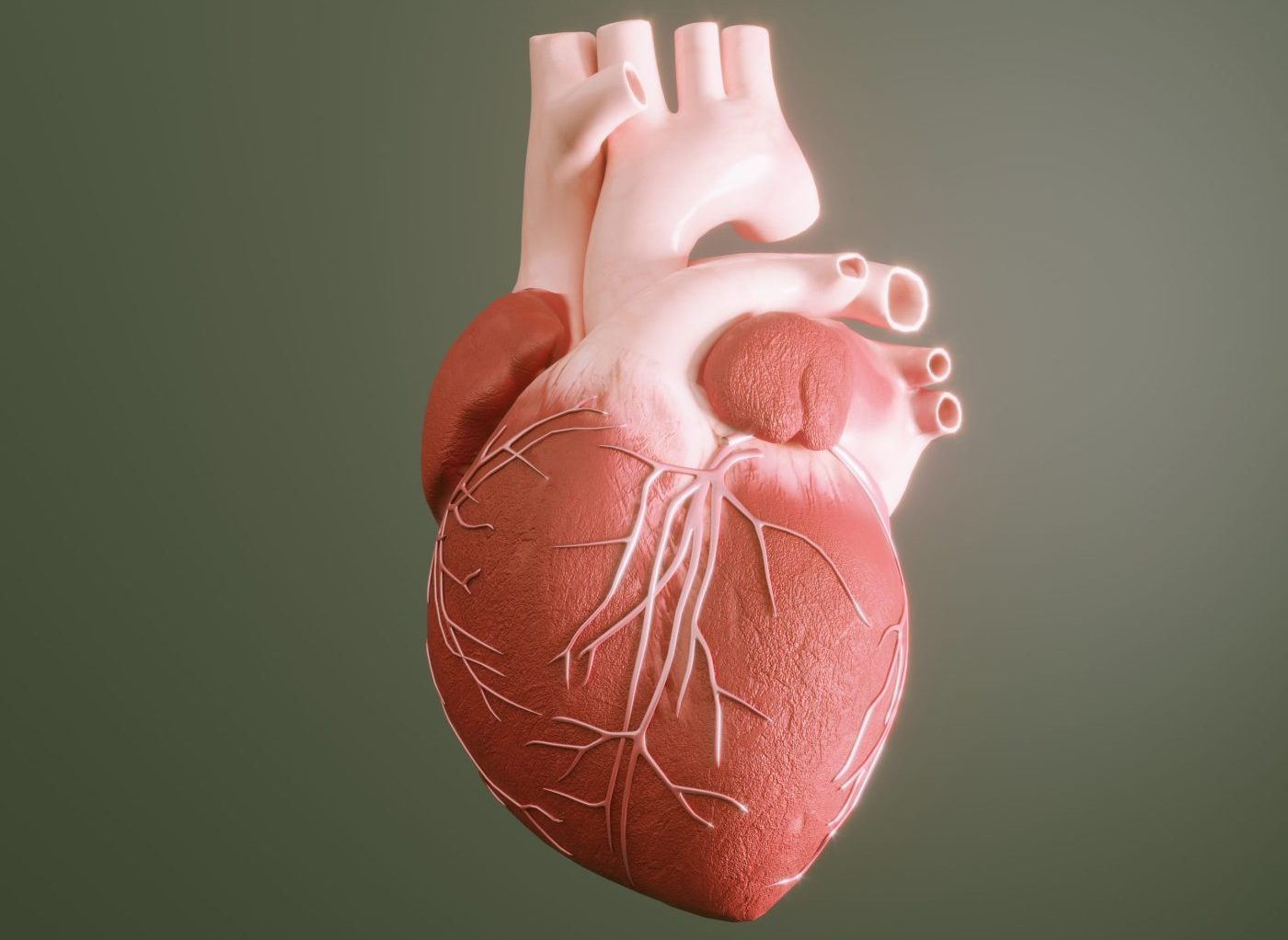
    Human Heart
    Share
    Facebook Twitter LinkedIn Pinterest Email

    A new paper published in Science Translational Medicine describes an experimental drug capable of repairing DNA damage caused by disease. Developed by scientists at Cedars-Sinai, the potential treatment is a prototype for a new class of medications that fix tissue damage caused by heart attacks, inflammatory disease, and other conditions. Details of the drug, dubbed TY1, can be found in the paper titled “Augmentation of DNA exonuclease TREX1 in macrophages as a therapy for cardiac ischemic injury.”  

    According to its developers, TY1 is a laboratory-made version of an RNA molecule that naturally exists in the body. It works by enhancing the action of a gene called TREX1, which helps immune cells clear damaged DNA, and supports tissue repair. It is the “first exomer—a new class of drugs that address tissue damage in unexpected ways,” said Eduardo Marbán, MD, PhD, executive director of the Smidt Heart Institute at Cedars-Sinai and the study’s senior author. “By probing the mechanisms of stem cell therapy, we discovered a way to heal the body without using stem cells.” 

    The studies that led to TY1’s development have been going on for more than two decades. Marbán’s previous lab at Johns Hopkins University worked on a technique for isolating progenitor cells from the human heart. Building on that work at Cedars-Sinai, Marbán’s team discovered that these heart progenitor cells send out exosomes loaded with RNA molecules that help repair and regenerate injured tissue.  

    The scientists aimed to elucidate the nature of the RNA molecules. “Exosomes are like envelopes with important information,” said Ahmed Ibrahim, PhD, an associate professor in the cardiology department at the Smidt Heart Institute and first author of the paper. “We wanted to take apart these coded messages and figure out which molecules were, themselves, therapeutic.” 

    To get those answers, the scientists sequenced the RNA material inside the exosomes. One RNA molecule proved to be more abundant than others, suggesting that it might be important for tissue healing. In fact, the molecule proved effective in promoting healing after heart attacks in laboratory animals.  

    TY1 is a synthetic, engineered version of that RNA molecule, designed in a way that mimics the structure of approved RNA drugs already in clinical use. It works by upping the production of immune cells that reverse DNA damage. This process minimizes the formation of scar tissue after a heart attack.  

    “We are particularly excited because TY1 also works in other conditions, including autoimmune diseases that cause the body to mistakenly attack healthy tissue,” Ibrahim said. “This is an entirely new mechanism for tissue healing, opening new options for a variety of disorders.” 

    The next step is to study TY1 in clinical trials. 

    boosts Damaged DNA drug Experimental Heart Repair Response Tissue
    Share. Facebook Twitter Pinterest LinkedIn Tumblr WhatsApp Email
    Previous ArticleFailed Sperm Flagellar Development Drives Infertility
    Next Article Potential Cancer Therapy Through New Cell Death Pathway, Mitoxyperilysis
    admin
    • Website

    Related Posts

    A Video Report from AGBT

    February 27, 2026

    Novo Nordisk, Vivtex Ink Up to $2.1B Deal to Develop Oral Biologics for Metabolic Conditions

    February 27, 2026

    Increasing Rice Yields with Gene-Informed Selective Breeding

    February 27, 2026

    Mutant p53 Selective Reactivation Demonstrated in Advanced Solid Tumors

    February 27, 2026
    Leave A Reply Cancel Reply

    Our Picks

    9 Time-Saving Kitchen Gadgets for Fall at Amazon

    September 5, 2025

    Why Exercise Is So Important For Heart Health, From An MD

    September 5, 2025

    An Engineered Protein Helps Phagocytes Gobble Up Diseased Cells

    September 5, 2025

    How To Get Rid Of Hangnails + Causes From Experts

    September 5, 2025
    • Facebook
    • Twitter
    • Pinterest
    • Instagram
    • YouTube
    • Vimeo
    Don't Miss
    Longevity

    Nautilus debuts Voyager platform in push toward next-gen proteomics

    By adminMarch 1, 20260

    Company’s new benchtop system promises a clearer view of proteins following validation at a leading…

    First-in-Human Success for Prenatal Stem Cell Therapy in Spina Bifida

    February 28, 2026

    Pressure-Driven Pathway Links Liver Congestion to Fibrosis and Cancer

    February 28, 2026

    A cellular atlas of aging comes into focus

    February 28, 2026

    Subscribe to Updates

    Get the latest creative news from SmartMag about art & design.

    About Us

    At FineGut, our mission is simple: to enhance your self-awareness when it comes to your gut health. We believe that a healthy gut is the foundation of overall well-being, and understanding the brain–gut connection can truly transform the way you live.

    Our Picks

    9 Time-Saving Kitchen Gadgets for Fall at Amazon

    September 5, 2025

    Why Exercise Is So Important For Heart Health, From An MD

    September 5, 2025

    An Engineered Protein Helps Phagocytes Gobble Up Diseased Cells

    September 5, 2025
    Gut Health

    Nautilus debuts Voyager platform in push toward next-gen proteomics

    March 1, 2026

    First-in-Human Success for Prenatal Stem Cell Therapy in Spina Bifida

    February 28, 2026

    Pressure-Driven Pathway Links Liver Congestion to Fibrosis and Cancer

    February 28, 2026
    X (Twitter) YouTube
    • Contact us
    • Privacy Policy
    • Disclaimer
    • Terms and Conditions
    © 2026 finegut.com. Designed by Pro.

    Type above and press Enter to search. Press Esc to cancel.