
Close Menu
My Blog

    Subscribe to Updates

    Get the latest creative news from FooBar about art, design and business.

    What's Hot

    Nautilus debuts Voyager platform in push toward next-gen proteomics

    March 1, 2026

    First-in-Human Success for Prenatal Stem Cell Therapy in Spina Bifida

    February 28, 2026

    Pressure-Driven Pathway Links Liver Congestion to Fibrosis and Cancer

    February 28, 2026
    Facebook X (Twitter) Instagram
    X (Twitter) YouTube
    My BlogMy Blog
    Sunday, March 1
    • Home
    • About Us
    • Healthy Living
    • DNA & Genetics
    • Podcast
    • Shop
    My Blog
    Home»Microbiome»Gut Microbiome Could Hold Key to Personalized Healthy Diets
    Microbiome

    Gut Microbiome Could Hold Key to Personalized Healthy Diets

    adminBy adminDecember 5, 2025No Comments3 Mins Read
    Facebook Twitter Pinterest LinkedIn Tumblr WhatsApp VKontakte Email
    Gut Microbiome Could Hold Key to Personalized Healthy Diets
    Share
    Facebook Twitter LinkedIn Pinterest Email

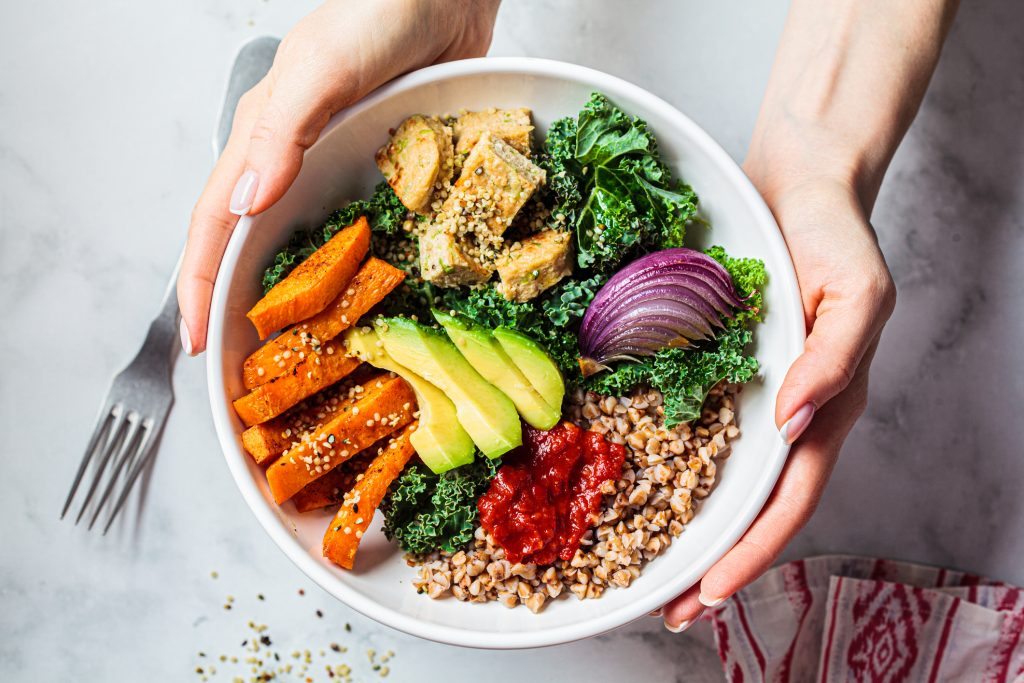
    Credit: vaaseenaa/Getty Images

    Gut bacteria metabolize nutrients from plants with known health benefits differently in healthy and diseased people, according to research that could help create health-promoting diets tailored for a particular individual.

    Large-scale systematic mapping showed that gut microbial enzymes were able to biotransform hundreds of dietary, plant-derived food compounds—or phytonutrients—according to the study in Nature Microbiology.

    However, this metabolic potential varied according to the health of a person and suggested that biotransformational potential was affected by disease.

    It also underscored the central role of gut microbiota in mediating the health effects of diet, reported Lu Zhang, PhD, from Leibniz Institute for Natural Product Research and Infection Biology in German, and colleagues.

    “This should open avenues for optimizing the nutritional value of plant-based diets through targeted microbial engineering and inform the development of next-generation probiotics, functional foods and personalized nutrition,” they suggested.

    Using multiple databases relating to enzymatic reactions and food health benefits, the team integrated information on more than 3000 global microbiomes and more than 1300 phytonutrients.

    This revealed that an estimated 775 phytonutrients—including several with known bioactivities—were metabolized by gut microbes, based on genomic content. The team found that 1388 phytonutrients were linked with 4678 enzymes.

    Overall, 67% of gut microbial enzymes were potentially involved in phytonutrient biotransformation. Phytonutrient biotransformation by gut bacteria varied among phyla and was widespread.

    Studies in mice revealed that the benefits of a healthy diet largely depended on the presence and transcriptional activity of particular microbial enzymes.

    The full-spectrum anti-inflammatory effect of strawberries, for example, occurred only in mice with healthy microbiota, with the researchers identifying key gut bacterial enzymes potentially biotransforming specific health-promoting phytonutrients.

    Using public gut metagenomics datasets for inflammatory bowel disease, colorectal cancer and non-alcoholic fatty liver disease that included healthy control individuals, the team identified a corresponding 608, 1038, and 517 phytonutrient-associated enzymes for the three diseases.

    The ability of gut bacteria to biotransform healthy foods differed between health and disease, suggesting that, once a dysbiotic microbiota is established, broad “one-size-fits-most” dietary recommendations might have limited value.

    “Our results underscore the importance of revisiting the concept of a ‘healthy diet’, as the diet’s effectiveness may be significantly boosted by the presence of a healthy microbiome,” the researchers elaborated.

    “Consuming edible plants with demonstrated health benefits may be insufficient for someone with an imbalanced microbiome capacity to biotransform health-associated phytonutrients.”

    They added: “This suggests a new direction for developing functional foods through fermentation with selected bacterial species, identified via mechanistic links between phytonutrients and gut bacteria.”

    The team further proposed: “Consuming foods fermented by gut bacteria after rigorous safety testing could be extremely valuable for populations whose intestines may be unable to perform the modifications necessary to harness foods’ full nutritional value, including aged individuals and those with reduced microbiome diversity.”

    diets Gut Healthy hold key microbiome Personalized
    Share. Facebook Twitter Pinterest LinkedIn Tumblr WhatsApp Email
    Previous ArticlePotency and Cell-Based Assay Center Opened by Avance Biosciences
    Next Article Longevity.Technology and IIOL form industry standards alliance
    admin
    • Website

    Related Posts

    First-in-Human Success for Prenatal Stem Cell Therapy in Spina Bifida

    February 28, 2026

    Pressure-Driven Pathway Links Liver Congestion to Fibrosis and Cancer

    February 28, 2026

    Genetic Biomarkers to Predict Efficacy of GLP-1 Therapies Uncovered

    February 28, 2026

    Mapping the Cellular Architecture of Aging Across 21 Organs

    February 28, 2026
    Leave A Reply Cancel Reply

    Our Picks

    9 Time-Saving Kitchen Gadgets for Fall at Amazon

    September 5, 2025

    Why Exercise Is So Important For Heart Health, From An MD

    September 5, 2025

    An Engineered Protein Helps Phagocytes Gobble Up Diseased Cells

    September 5, 2025

    How To Get Rid Of Hangnails + Causes From Experts

    September 5, 2025
    • Facebook
    • Twitter
    • Pinterest
    • Instagram
    • YouTube
    • Vimeo
    Don't Miss
    Longevity

    Nautilus debuts Voyager platform in push toward next-gen proteomics

    By adminMarch 1, 20260

    Company’s new benchtop system promises a clearer view of proteins following validation at a leading…

    First-in-Human Success for Prenatal Stem Cell Therapy in Spina Bifida

    February 28, 2026

    Pressure-Driven Pathway Links Liver Congestion to Fibrosis and Cancer

    February 28, 2026

    A cellular atlas of aging comes into focus

    February 28, 2026

    Subscribe to Updates

    Get the latest creative news from SmartMag about art & design.

    About Us

    At FineGut, our mission is simple: to enhance your self-awareness when it comes to your gut health. We believe that a healthy gut is the foundation of overall well-being, and understanding the brain–gut connection can truly transform the way you live.

    Our Picks

    9 Time-Saving Kitchen Gadgets for Fall at Amazon

    September 5, 2025

    Why Exercise Is So Important For Heart Health, From An MD

    September 5, 2025

    An Engineered Protein Helps Phagocytes Gobble Up Diseased Cells

    September 5, 2025
    Gut Health

    Nautilus debuts Voyager platform in push toward next-gen proteomics

    March 1, 2026

    First-in-Human Success for Prenatal Stem Cell Therapy in Spina Bifida

    February 28, 2026

    Pressure-Driven Pathway Links Liver Congestion to Fibrosis and Cancer

    February 28, 2026
    X (Twitter) YouTube
    • Contact us
    • Privacy Policy
    • Disclaimer
    • Terms and Conditions
    © 2026 finegut.com. Designed by Pro.

    Type above and press Enter to search. Press Esc to cancel.