

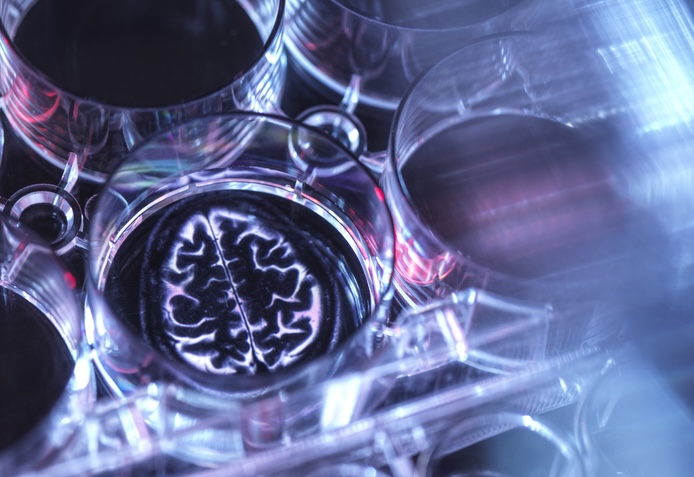
In a landmark effort to decode the cellular roots of childhood neurodevelopmental disorders (NDDs), researchers have built one of the largest publicly available stem-cell resources of its kind—an expansive biobank of induced pluripotent stem cells (iPSCs) and human brain organoids derived from genetically diverse patients. The atlas, published in Cell Stem Cell, accurately reflects the cellular phenotypes, providing data to understand how many genetic changes affect human brain development.
NDDs are present in approximately 25% of all chronic pediatric disorders, collectively imposing an enormous toll, accounting for over $400 billion in annual U.S. healthcare costs and lost wages. Affecting more than four percent of children, NDDs span an enormous diagnostic and genetic landscape, from microcephaly and polymicrogyria to epilepsy and intellectual disability. Although sequencing has linked thousands of genes to NDD risk, translating those variants into mechanistic insight has slowly advanced, in part because sufficiently large, diverse, and well-characterized human cellular models have not been developed.
Researchers from the lab of physician-scientist Joseph Gleeson, MD, compiled a publicly available biobank of 352 iPSC lines, transforming the understanding of how genetic mutations disrupt human brain development and cause childhood NDDs. Derived from genetically diverse patients diagnosed with one of four major NDD categories—microcephaly, polymicrogyria, epilepsy, and intellectual disability—each line was paired with clinical notes, whole-exome sequencing, and brain imaging. Most originate from families recruited through decades of clinical evaluation, providing a rare opportunity to link genotype, brain structure, and downstream biology in vitro.
To determine whether these iPSCs meaningfully recapitulate disease biology, the team generated an atlas of more than 6,000 human brain organoids from 35 representative patients and 10 neurotypical controls. Organoids were grown using a single standardized protocol and analyzed at multiple developmental stages using histology and single-cell RNA sequencing. The result is a high-resolution comparison of how diverse NDDs perturb early human brain development.
Despite the cohort’s genetic heterogeneity, organoids from each disease category exhibited consistent, disease-linked cellular signatures. In microcephaly, human brain organoids were markedly smaller from early stages and showed widespread disruption of the neural rosette architecture that normally organizes radial glial progenitors and young neurons. Proliferation was sharply reduced, apoptosis increased, and the expected deep-layer cortical neurons and intermediate progenitors were nearly absent. Single-cell data revealed a striking shift: a depletion of neuronal lineages accompanied by an expansion of transthyretin-expressing (TTR+) cells, suggesting a fate skew away from neurogenesis.
Polymicrogyria-derived organoids told a different story. Although they grew to normal size, they exhibited pronounced defects in apical junctions—the tight cellular interfaces that scaffold early cortical layers. ZO1 staining, normally forming crisp concentric boundaries around rosettes, appeared fragmented and compressed. Intermediate progenitors (TBR2+ cells) were severely depleted, consistent with impaired cortical lamination. These phenotypes emerged across donors with distinct causal genes, including ALG13, TMEM161B, and MBOAT7, indicating convergent cellular pathways.
Epilepsy organoids diverged again, showing dramatic and reproducible increases in astrocytes—including markers of reactive astrogliosis. These glial expansions were evident in histology and confirmed by transcriptional profiling, pointing to perturbed neuron–glia interactions as a likely mechanistic contributor. Meanwhile, organoids from individuals with intellectual disability showed milder architectural abnormalities but consistently produced excess TTR+ cells, echoing aspects of the microcephaly phenotype and hinting at shared vulnerabilities in progenitor fate decisions.
To quantify these differences, the team applied principal-component and linear discriminant analyses to imaging-based cellular markers. The models robustly distinguished patients from controls and reliably separated structural (microcephaly and polymicrogyria) from non-structural (epilepsy and intellectual disability) disorders. Importantly, this discrimination held across dozens of individuals and thousands of organoids, underscoring the reproducibility of disease-specific signatures.
Beyond its immediate findings, the study establishes a scalable blueprint for studying the vast phenotypic and genetic complexity of NDDs. By anchoring cellular organoid phenotypes to clinical categories and sequencing results, the resource offers a powerful platform for testing hypotheses about pleiotropy, convergent pathways, and potential therapeutic targets.
All cell lines, clinical metadata, and organoid analyses are publicly accessible, positioning the NDD iPSC biobank as a long-term catalyst for discovery. As the field seeks mechanistic clarity and new interventions for childhood neurological disorders, this atlas marks a significant advance—bringing human-relevant, genetically diverse models to the forefront of NDD research.
