

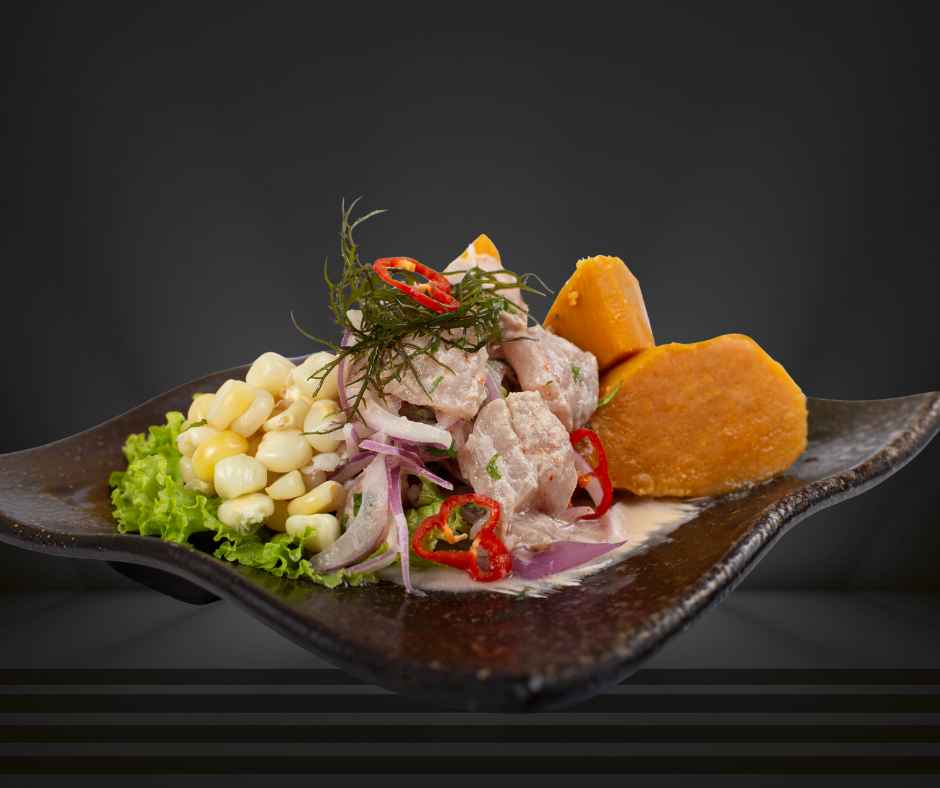
Yes, ceviche is generally very healthy. It is exceptionally high in lean protein and low in calories, fat, and carbohydrates, making it excellent for weight management and heart health. However, because it is prepared with raw fish cured in citrus, it is only healthy and safe if made exclusively with properly handled, sushi-grade seafood to eliminate the risk of parasites and bacteria.
Ceviche, the vibrant and refreshing Latin American seafood dish, has become a global culinary darling. Known for its bright, acidic flavor and its preparation using fresh raw fish cured in citrus juices, it represents the epitome of light, summery fare.
But the moment we hear the words “raw fish,” a critical question emerges: Is ceviche truly healthy, or does its preparation method pose health risks?
This guide serves as a complete, authoritative resource to answer just that. We will dive deep into ceviche’s origins, break down its comprehensive nutritional profile, address critical food safety and pregnancy concerns, and provide evidence-based guidance on how to enjoy it safely and frequently, whether you’re managing weight, cholesterol, or blood sugar.
What Is Ceviche? (Definition + Meaning)
Ceviche is an iconic dish where cubes of fresh, high-quality fish or seafood are marinated in a citrus-based mixture, most commonly lime or lemon juice. The acid in the citrus causes the protein in the fish to denature, giving the seafood an opaque, firm texture that mimics the effect of heat-cooking.
The dish is typically finished with aromatics like sliced red onion, chili peppers (like Aji or Rocoto), and fresh cilantro. It is traditionally served cold, often alongside components like sweet potato, corn (choclo), or plantain chips (chifles).
The term “ceviche” (also spelled cebiche, seviche, or serviche) is thought to derive from the Quechua word siwichi, which translates to “fresh or tender fish.” It refers both to the specific preparation method and the resulting dish itself.
What Is Ceviche Made Of? (Ingredients Breakdown)
Ceviche’s health profile is exceptionally high due to its remarkably simple and nutrient-dense ingredient list. It naturally bypasses many common unhealthy cooking methods (like frying or heavy sauces) in favor of fresh, vibrant components.
| Ingredient | Typical Function | Key Health Notes |
| Fish/Seafood (Corvina, Sole, Shrimp, etc.) | Primary protein source & texture | Excellent source of lean protein, Omega-3 fatty acids (depending on fish type), and essential micronutrients like Iodine and Selenium. |
| Lime/Lemon Juice | “Cooking” acid (Curing Agent) | Extremely high in Vitamin C, flavonoids, and acts as a potent antioxidant. |
| Red Onion | Flavor & color contrast | Rich in sulfur compounds and antioxidants like Quercetin, which have anti-inflammatory effects. |
| Cilantro/Coriander | Garnish & aromatic flavor | Contains beneficial oils (linalool) and acts as a powerful anti-inflammatory and digestive aid. |
| Aji/Chili Pepper | Spice & heat | Contains Capsaicin, which can temporarily boost metabolism and reduce inflammation. |
| Salt | Seasoning & curing support | Essential electrolyte. Used sparingly in healthy preparations. |
Where Is Ceviche From? Its Cultural Origins
While ceviche is a staple throughout coastal Latin America, its undeniable ancestral home is Peru.
Archaeological evidence and historical records suggest that ceviche-like preparations using fermented corn beverages (chicha) or passion fruit were consumed along the Peruvian coast nearly 2,000 years ago, even before the arrival of Spanish colonists. The introduction of limes and onions by the Spanish, however, refined the dish into the version we recognize today.
Regional Variations
- Peruvian Ceviche: Characterized by its short marinating time (just minutes) and the use of leche de tigre (tiger’s milk—the leftover marinade), which is sometimes served as a drink. It’s often accompanied by sweet potato and choclo (large-kernel corn).
- Mexican Ceviche: Often features finely diced tomatoes, cucumber, avocado, and a generous amount of fresh oregano. It is commonly served on crispy tostadas or with tortilla chips.
- Ecuadorian Ceviche: Unique in that the shrimp or fish is often blanched or briefly cooked before being chilled and mixed with a marinade that sometimes includes tomato sauce or ketchup for a richer, sweeter flavor.
- Chilean Ceviche: Frequently uses Pacific hake (merluza) or sole and often includes garlic and mint.
Clear Answer: Ceviche is not originally Mexican. While Mexican-style ceviche is globally popular and delicious, its origins trace back to the coastal Andean region, primarily Peru.
Is Ceviche Raw? The Raw Truth
One of the most frequent health and safety questions revolves around the preparation: Is ceviche raw?
The short, straightforward answer is yes, ceviche is fundamentally a raw seafood dish.
The process of marinating the fish in citrus juice is a chemical process, not a heat-based one. The acetic acid in the lime or lemon juice causes the proteins in the fish to denature, or unfold and recombine, giving the fish an opaque, firm texture similar to cooking.
Blockquote: Lime Curing ≠ Cooking. While the appearance changes dramatically, the lime juice does not subject the seafood to the necessary temperatures (minimum 63°C or 145°F for most seafood) required to kill all harmful bacteria and parasites. This is a critical distinction for safety.
Is Ceviche Healthy? The Evidence-Based Answer
The evidence overwhelmingly supports the idea that ceviche, when prepared safely with fresh, high-quality ingredients, is an exceptionally healthy and nutrient-dense food choice.
It stands as a superior option compared to most processed snacks, fried foods, or carbohydrate-heavy meals.
| Ceviche Health Profile: Pros & Cons | |
| Pros | Cons |
| High in Lean Protein | Potential for Foodborne Illness (if mishandled) |
| Very Low in Calories | Heavy Metal/Mercury Risk (depending on fish choice) |
| Low in Carbohydrates (Keto/Diabetic-Friendly) | Potential for High Sodium (if heavily salted) |
| Rich Source of Vitamins C, D, and B-Vitamins | Unsafe for Pregnant Women (unless fully cooked) |
| Anti-inflammatory Ingredients (Cilantro, Onion) | |
| Excellent for Heart Health & Weight Management |
Ceviche Health Benefits
Ceviche’s structure—lean protein mixed with fresh vegetables and acid—translates to a host of significant health advantages.
High in Lean Protein
Seafood, especially white fish like sea bass, cod, or snapper, is one of the best sources of lean, complete protein. A typical 1-cup serving of fish ceviche can deliver between 20 to 30 grams of protein.
Protein is crucial for:
- Satiety: Helping you feel fuller for longer, which reduces overall caloric intake.
- Muscle Maintenance: Essential for repairing and building muscle tissue.
- Metabolic Function: Protein has a high thermic effect of food (TEF), meaning your body expends more energy (calories) to digest it than it does for fats or carbs.
Low in Calories (Excellent for Weight Loss)
Keywords: is ceviche good for diet, is ceviche healthy for weight loss
Due to its high protein and low-fat content, ceviche is naturally one of the lowest-calorie seafood preparations available. It’s often highly recommended in weight loss communities and forums (is ceviche healthy for weight loss reddit).
| Ceviche Type | Estimated Calories per 1-Cup Serving (approx. 180g) |
| Lean Fish Ceviche (e.g., Flounder, Cod) | 140–180 Calories |
| Shrimp Ceviche | 120–160 Calories |
| Mixed Seafood Ceviche | 150–200 Calories |
| Mexican-Style Ceviche (Tomato-Heavy) | 110–140 Calories |
This low caloric density makes it an ideal substitute for heavier lunches or dinners.
Low in Carbs & Keto-Friendly
The traditional ceviche recipe is virtually carbohydrate-free, consisting only of protein, a small amount of fat, and negligible carbs from the citrus and vegetables. This makes it a perfect fit for Ketogenic, Paleo, and low-carbohydrate diets.
- Caution: The primary source of extra calories and carbs comes from accompaniments like tortilla chips, tostadas, or sweet potato, so consume these additions mindfully.
Rich in Vitamin C & Antioxidants
The foundation of the dish—lime or lemon juice, onions, and cilantro—is a powerhouse of micronutrients:
- Vitamin C: Essential for immune function, collagen synthesis, and acts as a powerful antioxidant that combats free radicals.
- Quercetin: An antioxidant found in onions that has been shown to have anti-histamine and anti-inflammatory properties.
- Lycopene: Found in tomatoes (used in Mexican variations), linked to reducing the risk of certain cancers and cardiovascular disease.
Good for Heart Health & Cholesterol
Ceviche benefits heart health in multiple ways:
- Omega-3 Fatty Acids: If made with fatty fish like tuna or mackerel, ceviche is an excellent source of EPA and DHA, known to lower triglycerides and blood pressure.
- Low Saturated Fat: As a lean dish, it naturally avoids the saturated fats and cholesterol common in red meat and fried foods.
- Low Glycemic Load: The lack of refined carbohydrates helps keep blood sugar and insulin levels stable, which is beneficial for cardiovascular function.
Supports Liver Health
The liver plays a central role in protein metabolism and detoxification. Ceviche’s combination of high-quality, easily digestible protein and abundant antioxidants (especially Vitamin C) can support liver function. Replacing high-fat, high-sugar meals with a lean, antioxidant-rich dish like ceviche can reduce the overall metabolic burden on the liver.
Is Ceviche Good for Diabetics?
Keywords: is ceviche good for diabetics
Yes, ceviche is generally an excellent choice for individuals managing diabetes.
- Low Glycemic Index (GI): The dish itself has a very low GI because it is mainly protein and fresh vegetables.
- Blood Sugar Control: The lean protein helps slow the absorption of glucose, promoting more stable blood sugar levels.
Caution for Diabetics: Be vigilant about accompanying ingredients. Avoid ceviche recipes that include:
- Added sugar (sometimes found in commercial leche de tigre or marinades).
- High amounts of sugary fruit (e.g., mango).
- Excessive serving sizes of high-carb sides (e.g., large portions of fried tortilla chips or sweet potato).

Potential Risks & Side Effects
Despite its substantial health benefits, the “raw” nature of ceviche introduces important food safety risks that cannot be overlooked.
Parasites & Bacteria (Does Lime Kill Them?)
This is the most critical risk factor. Raw or undercooked seafood can contain bacteria (like Salmonella or Vibrio), viruses, and parasites (like Anisakis worms).
Scientific Explanation: Lime Does NOT Kill Parasites. The low pH of the citrus juice denatures protein, which changes the fish’s texture and appearance, but it does not penetrate the meat deeply enough or generate sufficient heat to kill all parasites and pathogenic bacteria.
The U.S. Centers for Disease Control and Prevention (CDC) and the Food and Drug Administration (FDA) recommend that fish consumed raw must first be properly flash-frozen to specific temperatures to destroy parasites.
To minimize this risk, always source your fish from reputable suppliers who practice safe handling and freezing protocols for raw consumption (often labeled “sushi-grade” or “sashimi-grade”).
Heavy Metals (Mercury) in Fish
As with all seafood, heavy metals like mercury can accumulate in the fish’s tissue. This risk is related to the type of fish used, not the ceviche preparation method.
High-Mercury Fish (Limit Consumption): King Mackerel, Swordfish, Shark, Tilefish, and certain types of Tuna.
Low-Mercury Fish (Safer Choices for Ceviche): Snapper, Flounder, Shrimp, Cod, and Tilapia.
Foodborne Illness from Improper Storage
Since ceviche is technically a perishable raw food, it must be stored and handled with extreme care. Leaving ceviche at room temperature for extended periods ($ > 2$ hours) creates a perfect breeding ground for bacteria, leading to a high risk of food poisoning.
Can Pregnant Women Eat Ceviche? (Important Safety Guide)
Keywords: can pregnant women eat ceviche, can I eat ceviche while pregnant
This safety question has a crucial and definitive answer based on global public health recommendations.
Short Answer: No, pregnant women should strictly AVOID raw or citrus-cured seafood.
The FDA, CDC, and major medical institutions universally advise pregnant women to avoid all raw seafood, including sushi and ceviche, due to the inherent risk of bacterial and parasitic contamination (such as Listeria). While the risk is low, the consequences—which can include severe illness, miscarriage, or stillbirth—are too severe to ignore.
Safe Alternatives for Pregnancy
Pregnancy is not a ban on flavor! You can safely enjoy “ceviche-style” dishes by ensuring the seafood is fully cooked before mixing it with the marinade.
- Cooked Shrimp Ceviche: Shrimp can be quickly blanched or boiled until fully pink and firm, then chilled and mixed with the citrus marinade and vegetables.
- Vegetarian/Veggie Ceviche: Use fully cooked hearts of palm, mushrooms, or firm fruits (like green mango) as the base, eliminating all raw seafood risks.
How Often Can You Eat Ceviche?
Given ceviche’s outstanding nutritional profile—high protein, low calorie, and abundant vitamins—it is suitable for frequent consumption. However, the FDA’s guidance on seafood intake, particularly concerning heavy metals like mercury, should be applied.
The general recommendation for low-mercury fish intake is 2 to 3 servings (about 8–12 ounces total) per week.
- Moderation is Key: Eating ceviche 2–3 times per week, using low-mercury fish (shrimp, flounder, cod, tilapia, or calamari), is a sustainable and healthy choice.
- Daily Consumption: While nutritionally sound, eating raw ceviche every single day is not recommended due to the cumulative risk associated with both potential mercury intake (even in low-mercury fish) and the minimal, but persistent, risk of foodborne illness from consuming raw ingredients.
- Safety Over Frequency: The primary factor dictating frequency should be the source and preparation safety. If you are preparing ceviche at home from fish you have properly frozen, or sourcing it from a certified, high-quality restaurant, you can enjoy it more regularly.

How Long Does Ceviche Last? Storage & Food Safety
Ceviche, due to its raw protein base, is highly perishable. Proper storage is not just about quality; it is a critical food safety concern. The acidic cure of the lime juice extends the shelf life slightly but does not guarantee safety indefinitely.
Here is the essential guidance for storing ceviche:
- Optimal Freshness (The Best Time): Ceviche is at its peak quality and safest to consume within 4 to 6 hours after the initial marination. The texture is firm, and the flavors are bright.
- In the Refrigerator (Maximum Safe Time): Properly stored in an airtight container in the coldest part of the refrigerator (< 40F or 4C), ceviche can generally be kept for 24 to 48 hours, maximum. After 48 hours, the texture of the fish deteriorates significantly, becoming rubbery, and the risk of bacterial growth increases substantially.
- Freezing: Freezing ceviche is not recommended. The freezing process compromises the texture of the cured fish and vegetables, turning them mushy and watery upon thawing, resulting in a poor-quality dish.
- Signs It’s Gone Bad: Never risk consuming ceviche past the 48-hour mark, especially if you notice any of these signs:
- Off-Odor: A strong, fishy, sour, or ammonia-like smell.
- Slimy Texture: The fish pieces feel slick, slimy, or excessively watery.
- Extreme Cloudiness: The marinade (leche de tigre) becomes intensely cloudy or develops a strange film.
- Tasting Sour/Bitter: A taste that goes beyond the intended acidic tang.
How to Make Ceviche (Step-by-Step Guide)
Making ceviche is a simple process, but it requires meticulous attention to ingredient quality and handling to ensure both a delicious flavor and superior safety.
1. Fresh Fish Selection: Safety First
The first, and most crucial, step is selecting fish that is safe for raw consumption.
- Buy Sushi-Grade/Sashimi-Grade: Purchase fish explicitly labeled “sushi-grade” or “sashimi-grade.” This indicates the fish has been handled carefully and, most importantly, flash-frozen to temperatures low enough to kill parasites, as mandated by FDA guidelines for raw consumption.
- Look and Smell: The fish should have a clean, neutral scent (never “fishy”). It should be firm, translucent, and glossy.
- Best Fish Choices: Use lean, firm white fish like corvina (sea bass), sole, snapper, flounder, or halibut.
2. Preparation of the Fish
- Rinse and Pat Dry: Rinse the fish briefly under cold water and then pat it completely dry using paper towels. Moisture can dilute the marinade.
- Dice the Fish: Cut the fish into uniform, bite-sized cubes (about 1/2$-inch pieces). Uniform size ensures even “cooking” (curing) time.
- Chill: Place the diced fish in a non-reactive bowl (glass or ceramic) and chill until the marinade is ready.
3. The Lime Curing Process
- Squeeze Fresh Citrus: Use only freshly squeezed lime and/or lemon juice. Bottled juice will not yield the same bright flavor and may contain preservatives.
- Marinate: Pour just enough citrus juice over the fish to fully submerge it. The ratio is crucial: more fish than lime juice prevents the fish from being overwhelmed.
- Cure Time: The length of time depends on the desired texture and the fish type:
- Peruvian Style (Short Cure): 10–20 minutes. The fish will be opaque on the exterior but still slightly translucent and soft in the center (often called punto de sal).
- Mexican/Longer Cure: 30–60 minutes. The fish will be fully opaque and firm throughout.
4. Adding Aromatics and Final Seasoning
- Drain Excess Marinade (Optional): Many chefs drain off a portion of the initial marinade (the leche de tigre) before adding the vegetables, reserving some to serve separately. This prevents the dish from tasting overly sour.
- Mix-Ins: Gently fold in the sliced red onion, diced chili peppers, and chopped cilantro. If using, add salt and pepper to taste.
- Serve Immediately: Serve cold, accompanied by corn, sweet potato, or plantain chips.
How to Make Shrimp Ceviche
Keywords: how to make shrimp ceviche, how to make ceviche shrimp, shrimp ceviche healthy
Shrimp ceviche is one of the most popular variations, and it offers an important safety advantage: it is often prepared with fully cooked shrimp, which significantly reduces the risk of foodborne illness.
The Key Difference: Cooking the Shrimp
If you are prioritizing food safety (e.g., serving pregnant women, immunocompromised individuals, or children), or simply prefer a firmer texture, you must fully cook the shrimp first.
- Blanching: Bring a pot of salted water to a boil. Drop the peeled and deveined shrimp into the boiling water.
- Timing: Cook until the shrimp are completely opaque and curl into a “C” shape (about 1–3 minutes, depending on size).
- Icing: Immediately transfer the cooked shrimp to an ice bath to stop the cooking process and retain firmness.
- Proceed: Once chilled, drain the shrimp, pat dry, and proceed with the standard ceviche steps (dicing and marinating in lime juice).
If using raw shrimp: Ensure it is sushi-grade and follow the same strict curing times as raw fish.
| Cooked Shrimp Ceviche Macros (per 1 Cup) | |
| Calories | ~ 140 |
| Protein | ~ 28 g |
| Fat | ~ 1 g |
| Net Carbs | ~ 3 g |
Healthy Ceviche Recipe (Printable Recipe Card)
This recipe delivers a high-protein, low-carb dish that emphasizes freshness and safety.
Classic Peruvian-Style Fish Ceviche
| Attribute | Detail |
| Prep Time | 20 minutes |
| Cure Time | 15–30 minutes |
| Total Time | 35–50 minutes |
| Servings | 4 |
Ingredients
| Category | Ingredient | Quantity | Notes |
| Seafood | Sushi-Grade White Fish (e.g., Flounder, Snapper) | 1 pound | Skinless, boneless, diced into $1/2$-inch cubes |
| Marinade | Fresh Lime Juice | 3/4 cup | Must be freshly squeezed |
| Fresh Lemon Juice (Optional) | 1/4 cup | For a milder acidity | |
| Coarse Sea Salt | 1/2 tsp | Or to taste | |
| Aromatics | Red Onion | ½ medium | Thinly sliced into paper-thin strips |
| Aji Amarillo Paste (or Serranos/Jalapeños) | 1 tsp | Finely minced, adjust to heat preference | |
| Cilantro | 1/4 cup | Roughly chopped, stems optional | |
| Garlic (Optional) | 1 small clove | Crushed or minced |
Instructions
- Prepare Fish and Aromatics: Place the diced fish and sliced red onion in a non-reactive (glass or ceramic) bowl.
- Create the Marinade: In a separate cup, whisk together the lime juice, lemon juice (if using), salt, chili, and minced garlic.
- Cure the Fish: Pour the citrus marinade over the fish and onion mixture, ensuring the fish is just submerged. Gently fold the ingredients to combine.
- Chill and Cure: Place the bowl in the refrigerator. Cure for 15–20 minutes for a tender, Peruvian-style finish, or up to 30 minutes for a firmer texture. Do not over-marinate.
- Final Touches: Gently stir in the chopped cilantro just before serving.
- Serve: Serve immediately with sweet potato slices, corn kernels, or thinly sliced avocado.
Nutrition Label Schema (Per Serving, based on 4 servings)
| Metric | Amount |
| Calories | ~ 150 kcal |
| Protein | ~ 25 g |
| Total Fat | ~ 2 g |
| Saturated Fat | 0 g |
| Carbohydrates | ~ 7 g |
| Dietary Fiber | ~ 2 g |
| Net Carbs | ~ 5 g |
| Vitamin C | 100%+ DV |
Storage Notes
Store any leftovers immediately in an airtight container in the refrigerator and consume within 48 hours, maximum. Discard any ceviche left at room temperature for more than 2 hours.
Frequently Asked Questions
Is ceviche safe to eat raw?
Ceviche is technically a raw dish. It is safe to eat only if the seafood used is labeled “sushi-grade” or “sashimi-grade,” meaning it has been properly flash-frozen to destroy potential parasites, and if it is consumed immediately after preparation (within 24 hours).
Is ceviche good for weight loss?
Yes, ceviche is excellent for weight loss. It is extremely high in lean protein (which increases satiety) and very low in calories and fat. It serves as an ideal replacement for high-calorie, high-carb meals.
Is shrimp ceviche healthy?
Shrimp ceviche is very healthy. Shrimp is low in calories and fat and high in protein and micronutrients like iodine. If the shrimp is fully cooked before curing, it is also a safer alternative to raw fish ceviche.
Is ceviche Mexican?
No, ceviche is not originally Mexican. It originated in the coastal regions of the Andean highlands, with the most direct ancestral ties pointing to Peru. Mexican-style ceviche is a popular regional variation that often uses tomatoes, cucumber, and avocado.
Is ceviche good for cholesterol?
Yes, ceviche is generally good for cholesterol. It is very low in saturated fat and high in lean protein. If made with fish rich in Omega-3 fatty acids (like tuna or mackerel), it can actively help lower harmful triglyceride levels.
Does ceviche kill parasites?
No. While the acid in citrus juice will firm the fish’s flesh (curing the protein), it does not generate the necessary heat or penetrate the tissue deeply enough to reliably kill all parasites and pathogenic bacteria. The only way to ensure raw fish is parasite-free is through proper, commercial flash-freezing.
Is ceviche healthy Reddit?
Discussions on Reddit often confirm that ceviche is highly praised for being a healthy, low-calorie, high-protein meal, especially for weight loss and low-carb diets. However, online communities also stress the critical importance of sourcing sushi-grade fish for safety.
Is ceviche healthy for liver?
Ceviche supports liver health by providing high-quality, easily digestible lean protein, which is essential for liver function. Its high antioxidant content (from the lime, onions, and cilantro) also aids in reducing oxidative stress on the liver.
Can you eat ceviche while pregnant?
No, pregnant women should avoid all raw, citrus-cured seafood, including ceviche, due to the risk of Listeria and other foodborne pathogens. Safe alternatives include ceviche made with fully cooked seafood (like cooked shrimp) or vegetarian ceviche.
Conclusion: The Verdict on Ceviche
Ceviche is, without question, one of the healthiest and most vibrant seafood dishes in the global culinary landscape.
It earns its place as a nutritional powerhouse due to its exceptional density of lean protein, low caloric content, and abundance of Vitamin C and anti-inflammatory antioxidants. This profile makes it a stellar choice for weight management, heart health, and diabetic-friendly diets.
However, the ceviche experience hinges entirely on one factor: safety. Because it is a raw dish, the consumer must be vigilant about sourcing only sushi-grade seafood and consuming it promptly. When these safety precautions are met, ceviche is not just a healthy meal—it is a light, delicious, and culturally rich culinary triumph.
References
National Institutes of Health (NIH) – Office of Dietary Supplements: Vitamin C Fact Sheet for Health Professionals (Supports claims about Vitamin C and antioxidant properties in lime/lemon juice).
